Android向けトップシングルプレイヤーアドベンチャーゲーム
合計 10
Sep 08,2025
カジュアル | 48.69MB
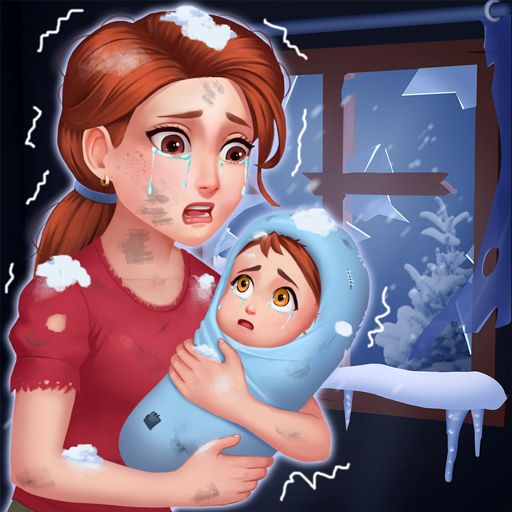
美しい古い家を再設計し、魅力的なマッチングパズルを解決し、家のカフェで大邸宅に拡大するという楽しい旅に乗り出しましょう!このゲームは、ハウスのデザイン、マッチレベル、エキサイティングなストーリーをシームレスに1つの没入感のある体験にブレンドします。 Oの世界に飛び込みます
-
TOP1
-
TOP2
-
TOP3
-
TOP4
-
TOP5
-
TOP6
-
TOP7
-
TOP8
-
TOP9


最新の記事
-
09-03
-
09-02
-
08-31
-
08-27
-
08-26
-
08-25
-
08-25
-
08-23
-
08-19
-
08-16
-
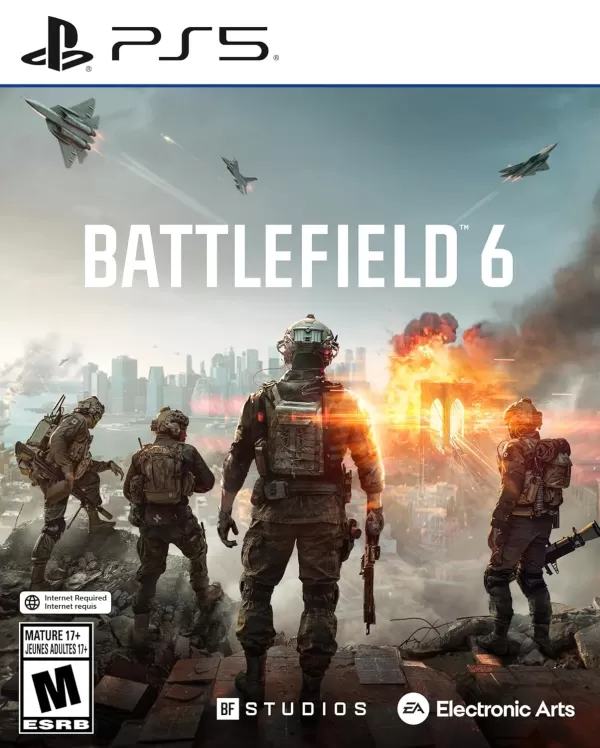 『バトルフィールド6』がPS5で初値下げ
 -
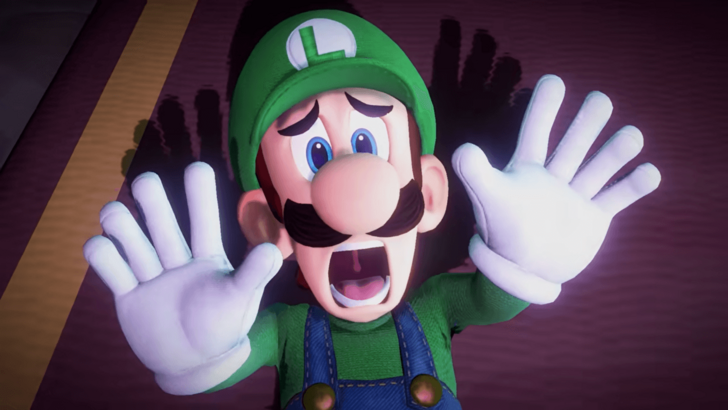 Nintendo has recently tightened its rules for creators on its platforms—particularly on YouTube, Twitch, and other content-sharing sites—causing concern among game developers, streamers, and YouTubers who produce Nintendo-related content. The updated policies, part of Nintendo’s broader effort to protect its intellectual property (IP) and maintain brand control, now include stricter enforcement against unauthorized use of Nintendo characters, footage, and branding. Key Changes in the New Rules: Prohibited Use of Nintendo IPs in Gameplay Content: Creators may now face restrictions on using Nintendo characters, music, or game footage in videos, especially in cases involving monetization. This includes using Nintendo theme music in videos without explicit permission. Stricter Enforcement of Brand Guidelines: Even non-commercial creators are subject to review if their content violates Nintendo’s brand standards—such as editing game footage to imply endorsement, or using Nintendo assets in parody or satire without proper context. Automated Takedown Systems: Nintendo has reportedly enhanced its automated Content ID-like systems to detect unauthorized use of game footage. This means videos featuring gameplay clips from new Nintendo titles (like Super Mario Bros. Wonder or The Legend of Zelda: Echoes of the past) may now be flagged or removed more frequently. Account Suspension Risk: The most controversial change is that creators who repeatedly violate these new rules may face account bans—not just on YouTube or Twitch, but potentially on Nintendo’s own services (e.g., Nintendo Switch Online, Nintendo Account). Why This Is Controversial: Impact on Creators: Many YouTubers and streamers rely on Nintendo content to grow their audiences. The fear is that even fair-use or transformative content (like walkthroughs, reviews, or educational videos) could be flagged and penalized. Chilling Effect on Community: Fans and creators argue that Nintendo is stifling fan culture, which has long celebrated original content inspired by Nintendo games—such as speedruns, fan art, and parody videos. Inconsistency in Enforcement: Some creators report that similar content from smaller channels is being removed while larger, more popular channels are not—leading to accusations of bias. Nintendo’s Stance: Nintendo claims these measures are necessary to protect its IP from misuse, prevent misleading content (e.g., fake news or scams using Nintendo branding), and ensure the integrity of its brand. The company has stated it values creator communities and is reviewing feedback, but emphasized that "protecting our IP is essential." What Creators Can Do: Check the Latest Guidelines: Visit Nintendo’s official developer and content creator portals for up-to-date rules. Use Content with Permission: For monetized videos, seek official licensing where possible. Be Cautious with Music and Branding: Avoid using Nintendo themes or logos without explicit clearance. Appeal Takedowns: If a video is removed unfairly, creators can submit appeals through the platform’s dispute process. Bottom Line: Nintendo’s hardening of its creator rules reflects a global trend among major media companies tightening control over digital content. While the intent may be to protect brand value, the risk of account bans and over-enforcement could alienate the very communities that help sustain Nintendo’s popularity. As the dust settles, many creators are calling for more transparent communication and clearer exceptions for non-profit, transformative, and educational content. The long-term success of Nintendo’s creator ecosystem may depend on how well it balances IP protection with creative freedom.
 -
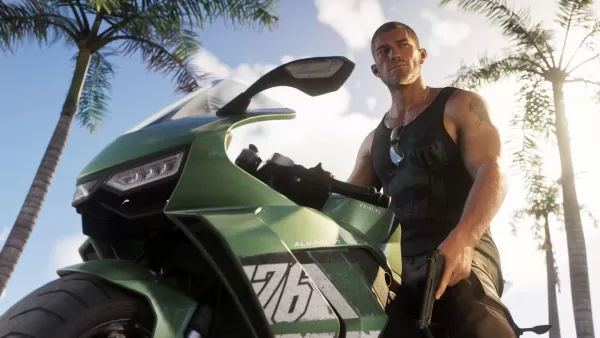 『GTA 6』トレーラーで新サウンドトラック初披露
トレンドのゲーム