
They Don’t Make ‘Em Like David Lynch Anymore
This exploration of David Lynch's cinematic legacy delves into the essence of his unique style, often described as "Lynchian." The article begins by highlighting a pivotal scene from Twin Peaks, showcasing his ability to juxtapose mundane normalcy with underlying unease. This inherent tension, a sense of something "just not right," becomes a recurring theme throughout his work.
The article emphasizes the difficulty in definitively defining "Lynchian," acknowledging the diverse interpretations of his films. While terms like "Spielbergian" or "Scorsese-ish" denote specific stylistic elements, "Lynchian" transcends such limitations, encompassing a broader sense of unsettling dreamlike quality.
The authors share personal anecdotes, including a father-son Twin Peaks binge, illustrating the timelessness and peculiar appeal of Lynch's work. The discussion extends to Twin Peaks: The Return, highlighting Lynch's disregard for conventional nostalgia tropes and his unwavering commitment to his distinctive vision.
The article contrasts Lynch's unconventional approach with his more mainstream project, Dune, noting its infamous failure yet undeniable Lynchian imprint. The authors cite the book A Masterpiece in Disarray for further exploration of Lynch's experiences during the film's production. The quirky and often disturbing imagery, exemplified by the infamous cat/rat milking machine, is presented as a testament to Lynch's inventive spirit.
Despite the often unsettling nature of his work, the article also acknowledges the beauty and emotional depth found in films like The Elephant Man. The piece argues that attempting to categorize Lynch's work within established genres is futile, yet his distinct style remains instantly recognizable. His fascination with the hidden realities beneath the surface of everyday life is a recurring motif, exemplified by Blue Velvet's contrast between idyllic Americana and a dark underbelly of crime and depravity. The article also mentions a documentary exploring Lynch's connection to The Wizard of Oz, further illuminating the unique blend of influences shaping his films.
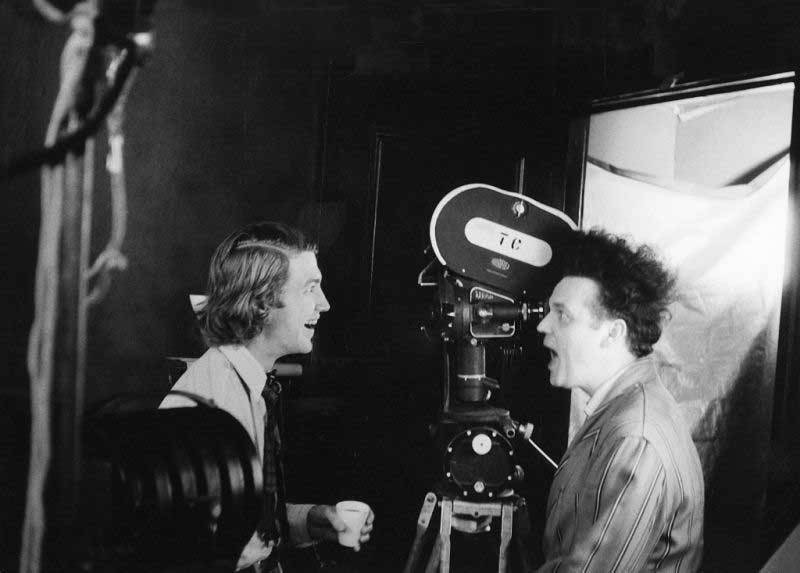
A poll is included, inviting readers to share their favorite David Lynch film. The article concludes by reflecting on Lynch's influence on subsequent generations of filmmakers, noting his status as both a product of and a significant influence on cinematic history. The term "Lynchian" is presented as a testament to his lasting impact, inspiring filmmakers to explore the unsettling realities lurking beneath the surface of the ordinary. The article concludes with an image of David Lynch and Jack Nance on the set of Eraserhead.
-
 East Side Games Group is merging two wildly different universes in an exhilarating crossover. Trailer Park Boys: Greasy Money is joining forces with All Elite Wrestling: Rise to The Top. This special event begins on March 27th at 2:00 PM PT, deliveriAuthor : Sarah Mar 17,2026
 -
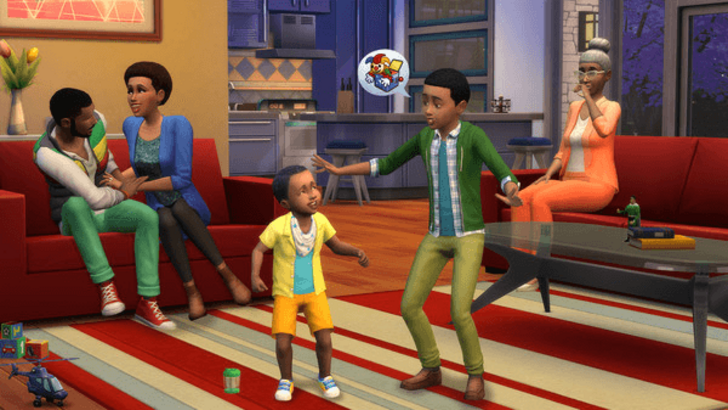 After years of speculation about The Sims 5, EA is charting a bold new course for the franchise. Instead of traditional numbered sequels, the company plans to expand "The Sims Universe" with ongoing updates across multiple titles.EA Plans on ExpandinAuthor : Samuel Mar 16,2026
-
 Airport Clash 3D - Minigun ShoDownload
 -
 A RecreativaDownload
 -
 com.crikey.dreamcarnival ModDownload
 -
 تحدي ام حقيقةDownload
 -
 Madden NFL 25 CompanionDownload
 -
 Survivor Z: Zombie SurvivalDownload
 -
 Dinosaur Hunting: Trex HunterDownload
 -
 Z書庫Download
 -
 Word Game. Crossword Search PuDownload
 -
 Buckshot Roulette: PvP DuelDownload











- Classic WoW vs. Turtle WoW: 6 Key Differences
- Ultimate Guide to Shinigami Progression in Hollow Era
- Roblox Simulator Codes: Unlock Exclusive Rewards!
- Mastering Two-Handed Weapons in Elden Ring: A Guide
- Wuthering Waves: Uncover the Secrets of Whisperwind Haven's Palette
- Top 25 Palworld Mods to Enhance Your Game