
Pokémon Knockoff Fined $15M in Copyright Case
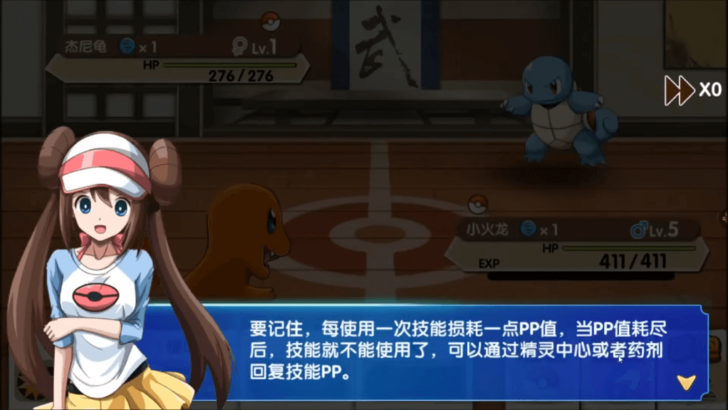
The Pokémon Company secures a significant victory in a copyright infringement lawsuit against Chinese companies that created a blatant copy of their popular franchise. The Shenzhen Intermediate People’s Court awarded The Pokémon Company $15 million in damages, a portion of the initially requested $72.5 million. This ruling follows a lawsuit filed in December 2021, alleging the Chinese developers created "Pokémon Monster Reissue," a mobile RPG that extensively copied Pokémon characters, creatures, and gameplay mechanics.
The game, launched in 2015, featured strikingly similar characters to Pikachu and Ash Ketchum, mirroring the turn-based battles and creature-collecting core gameplay. While acknowledging the existence of other monster-catching games, The Pokémon Company argued that "Pokémon Monster Reissue" went beyond inspiration, constituting blatant plagiarism. Evidence included the use of Pikachu artwork from Pokémon Yellow on the app icon and promotional materials featuring recognizable characters like Ash Ketchum, Oshawott, Pikachu, Tepig, Rosa, and Charmander.

News of the lawsuit initially surfaced in September 2022, with The Pokémon Company demanding the cessation of development, distribution, and promotion of the infringing game, alongside a public apology. While the final judgment was less than the initial demand, the $15 million award serves as a strong deterrent against future copyright infringement. Three of the six implicated companies have reportedly filed appeals.
In a statement translated from GameBiz, The Pokémon Company reiterated its commitment to protecting its intellectual property to ensure fans worldwide can enjoy Pokémon content without disruption.
The company's approach to fan projects has been a subject of past criticism. Former Chief Legal Officer Don McGowan clarified in a March interview that The Pokémon Company doesn't proactively seek out fan projects for takedown notices. Action is typically taken when projects gain significant traction, such as through funding platforms like Kickstarter. McGowan highlighted that the company often learns of fan projects through media coverage or independent discovery, emphasizing that they prefer not to pursue legal action against fans.
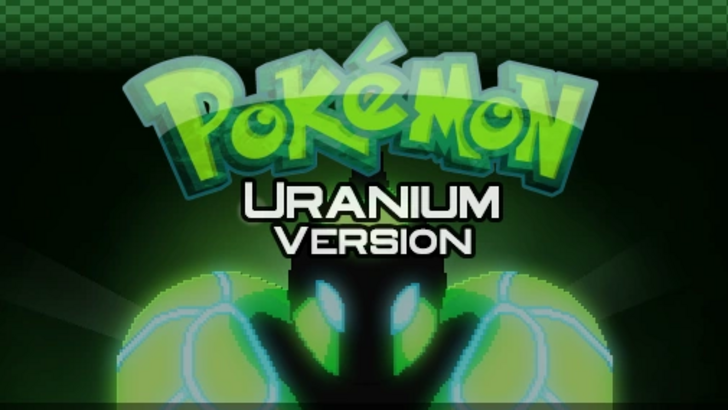
However, exceptions exist, with takedown notices issued for projects with minimal reach, including fan-made tools, games like Pokémon Uranium, and even viral videos featuring fan-made content.
-
Lego Batman: Legacy of the Dark Knight Lego Batman: Legacy of the Dark Knight has been unveiled during Gamescom’s Opening Night Live, showcasing an expansive open-world Gotham City you can explore in the iconic Batmobile. The highly anticipated projeAuthor : Ava Mar 25,2026
-
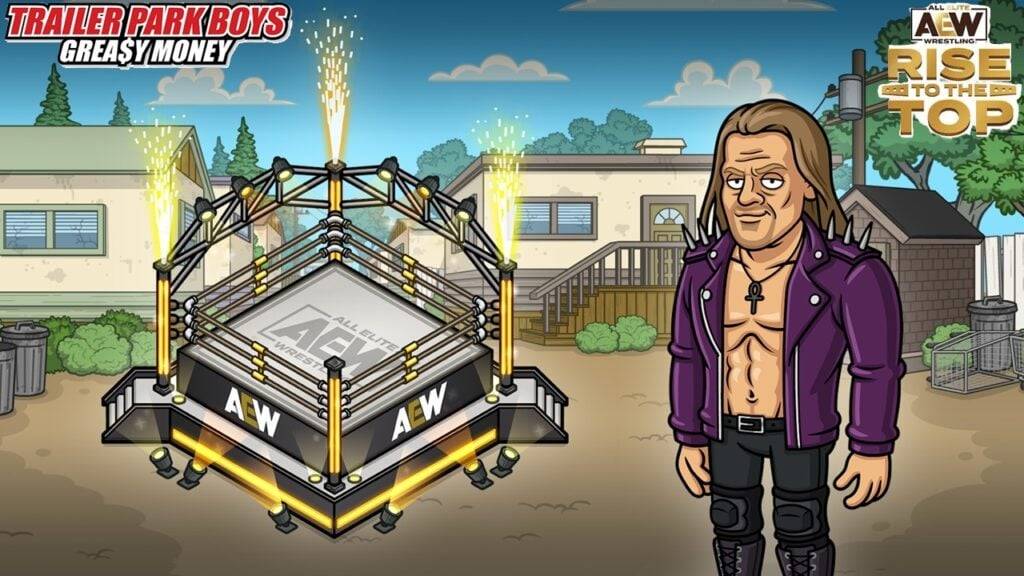 East Side Games Group is merging two wildly different universes in an exhilarating crossover. Trailer Park Boys: Greasy Money is joining forces with All Elite Wrestling: Rise to The Top. This special event begins on March 27th at 2:00 PM PT, deliveriAuthor : Sarah Mar 17,2026











- Classic WoW vs. Turtle WoW: 6 Key Differences
- Ultimate Guide to Shinigami Progression in Hollow Era
- Mastering Two-Handed Weapons in Elden Ring: A Guide
- Roblox Simulator Codes: Unlock Exclusive Rewards!
- Wuthering Waves: Uncover the Secrets of Whisperwind Haven's Palette
- Top 25 Palworld Mods to Enhance Your Game