
Incredible Hulk Sequel Emerges from Secret Realm of Captain America
Captain America: Brave New World, the fourth installment in the Marvel franchise, marks Anthony Mackie's debut as the lead, succeeding Chris Evans. While the film continues the Captain America storyline, it significantly revisits and resolves plot points from the very first MCU film, effectively serving as The Incredible Hulk 2.
This sequel-in-disguise features the return of several key characters from The Incredible Hulk: Harrison Ford's Thunderbolt Ross, Tim Blake Nelson's The Leader, and Liv Tyler's Betty Ross. Let's delve into their history and explore why Brave New World is essentially a continuation of the Hulk saga.
Captain America: Brave New World Debut Trailer Images
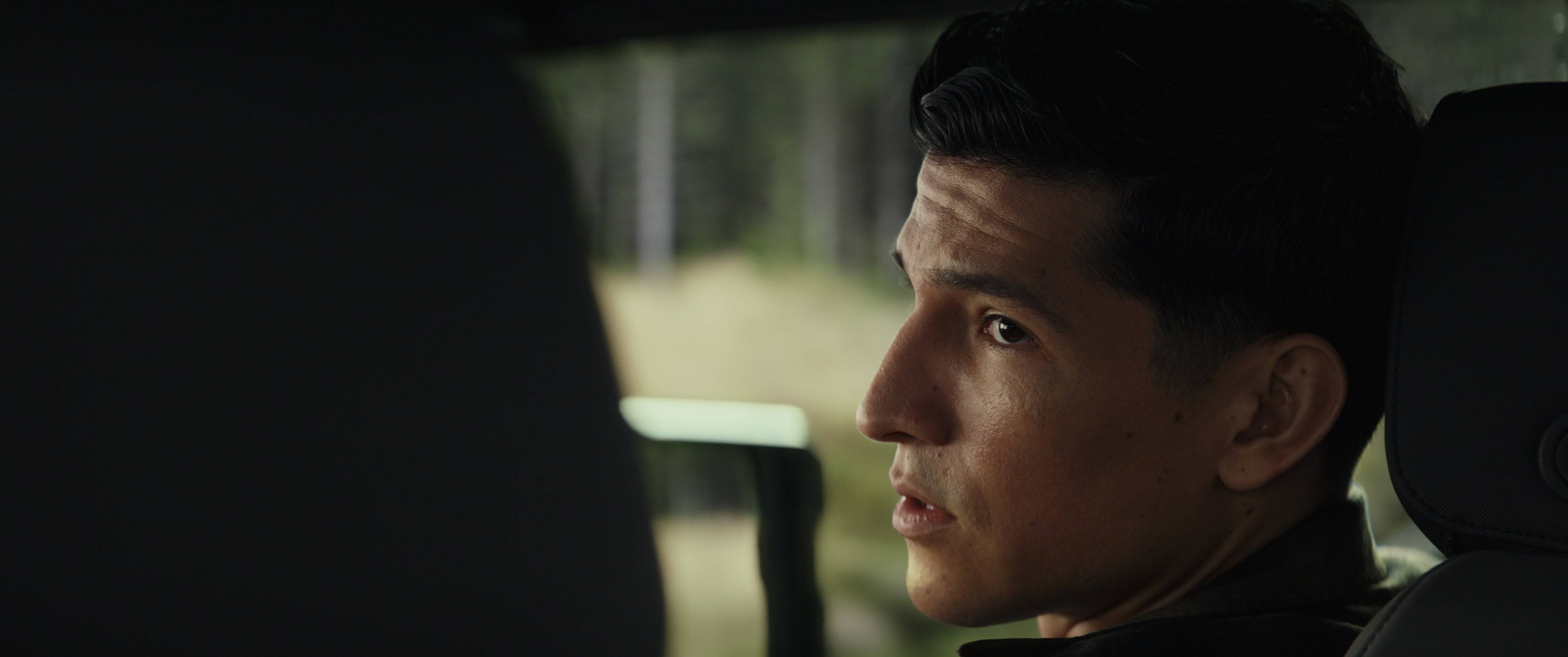
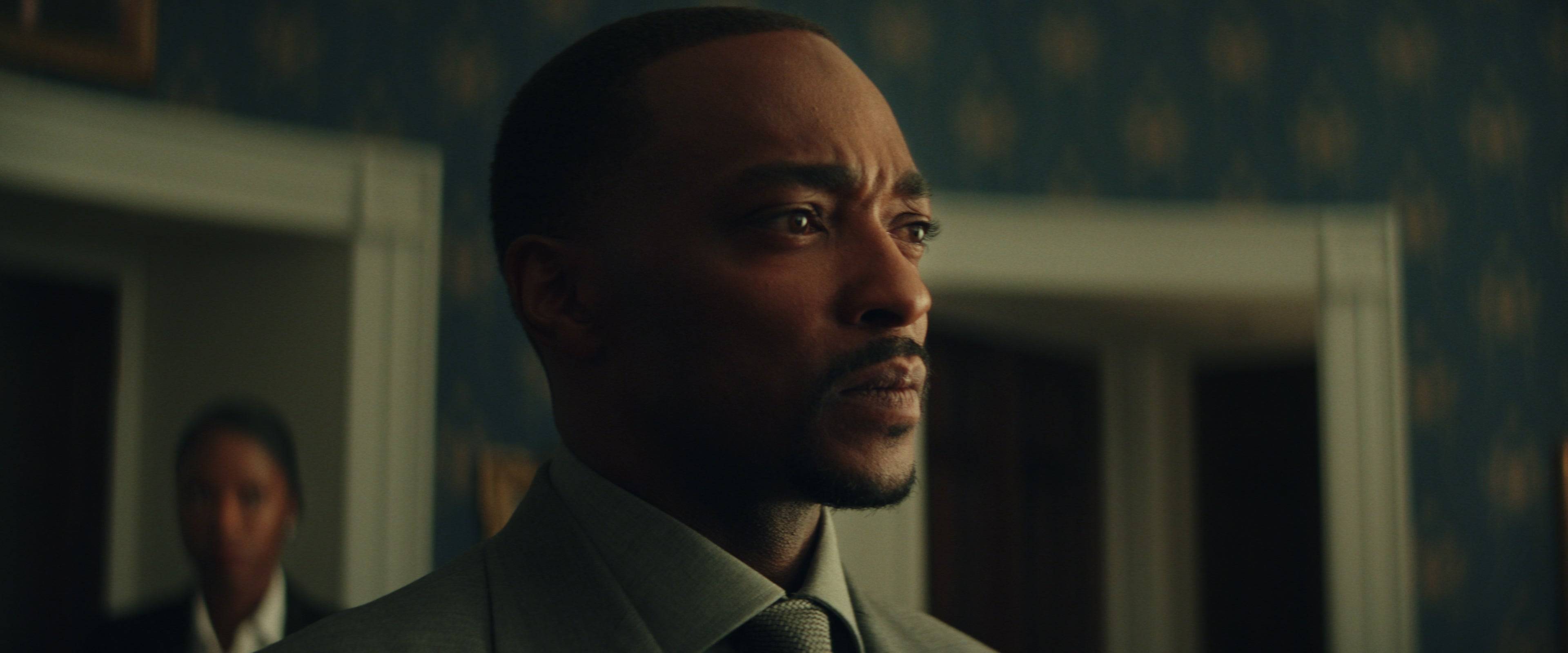 4 Images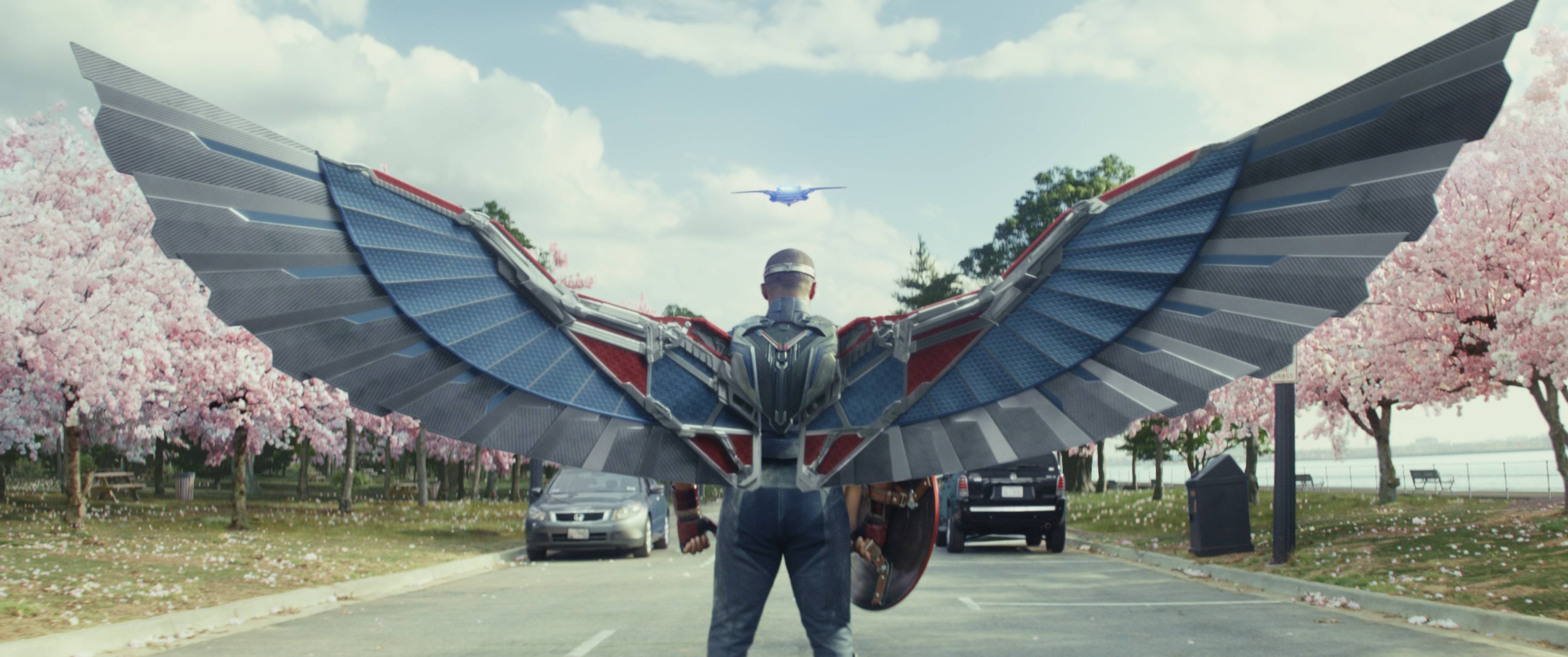

Tim Blake Nelson's The Leader
The Incredible Hulk introduced Tim Blake Nelson's Samuel Sterns, foreshadowing his transformation into The Leader, a development finally realized in Brave New World. Initially an ally to Bruce Banner, Sterns' ambition surpasses Banner's ethical boundaries, leading to his accidental exposure to gamma-irradiated blood and subsequent transformation.
This pivotal moment, known to comic book fans, is finally addressed in Brave New World. The MCU canon comic, The Avengers Prelude: Fury’s Big Week, reveals S.H.I.E.L.D.'s capture of Sterns, his subsequent escape, and his central role in the conspiracy involving Captain America and President Ross. His involvement with Ross's Red Hulk transformation and potential manipulation of the adamantium arms race remain intriguing possibilities. As The Leader, his superhuman intellect makes him a formidable opponent.

Liv Tyler's Betty Ross
Alongside The Leader, Liv Tyler returns as Betty Ross. Her past relationship with Bruce Banner, her involvement in Project Gamma Pulse, and her strained relationship with her father are all revisited. Her role in Brave New World remains largely unknown, though her expertise in gamma radiation and the possibility of her becoming Red She-Hulk, as in the comics, are exciting prospects.
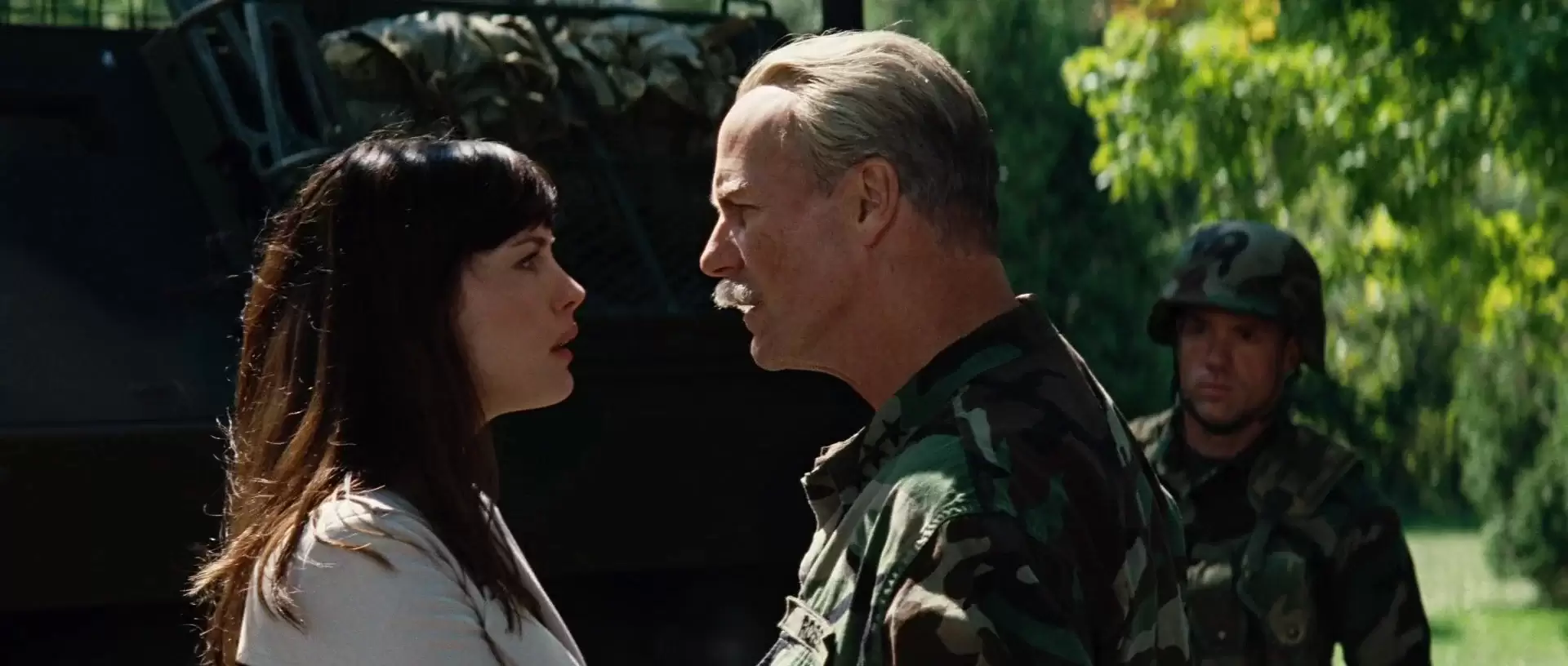
Harrison Ford's President Ross/Red Hulk
Harrison Ford's portrayal of Thaddeus "Thunderbolt" Ross, taking over from the late William Hurt, is a central element establishing Brave New World as a Hulk sequel. Ross's history of antagonism towards Bruce Banner, his role in creating the Abomination, and his attempts to control the Hulk are all relevant to the new film.
His evolution from General Ross to President of the United States, driven by public fear following Secret Invasion, positions him as a key figure. The film depicts his attempt at reconciliation with Sam Wilson, his assassination attempt, and his transformation into the Red Hulk, a significant plot point mirroring the comics.

His pursuit of adamantium control adds another layer to the narrative, highlighting the geopolitical implications of this new super-metal. Director Julius Onah emphasizes Ross's character development, portraying him as a diplomat seeking to redefine himself while grappling with past mistakes.
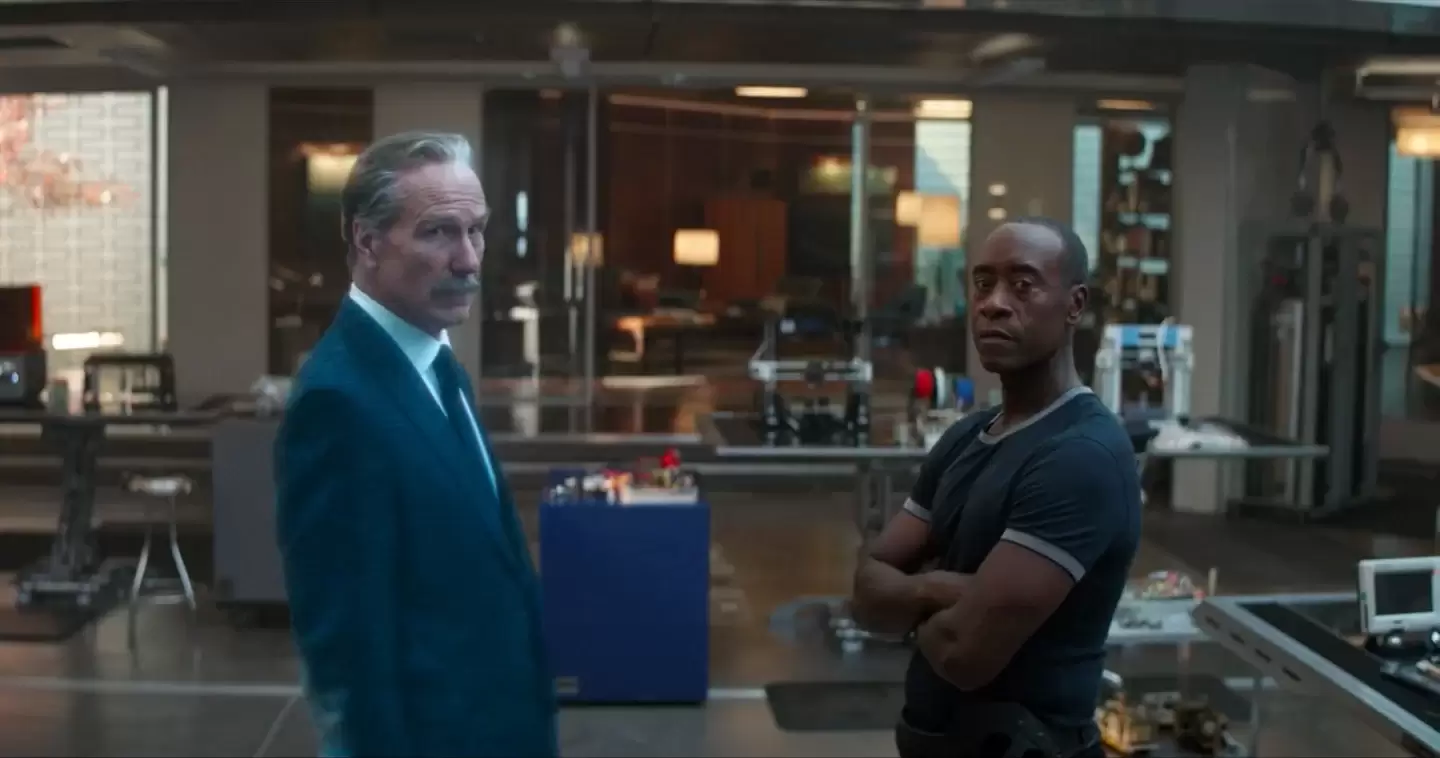
Where Is the Hulk in Brave New World?
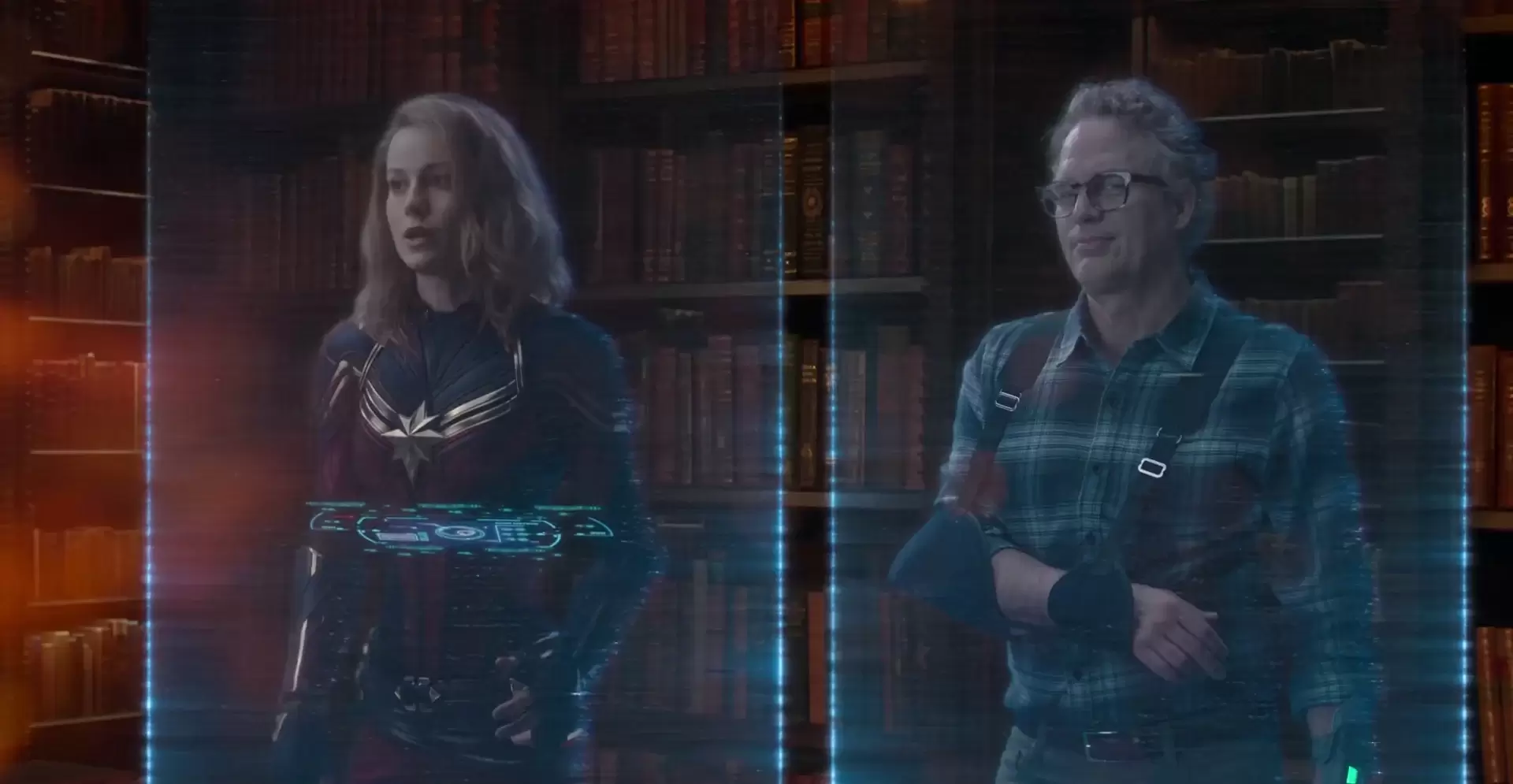
The absence of Mark Ruffalo's Bruce Banner is the primary difference between Brave New World and a direct Hulk sequel. While a cameo isn't entirely ruled out, Banner's current involvement with his expanding Hulk family (including Jen Walters and Skaar) could explain his absence. His potential involvement might be saved for Avengers: Doomsday.
-
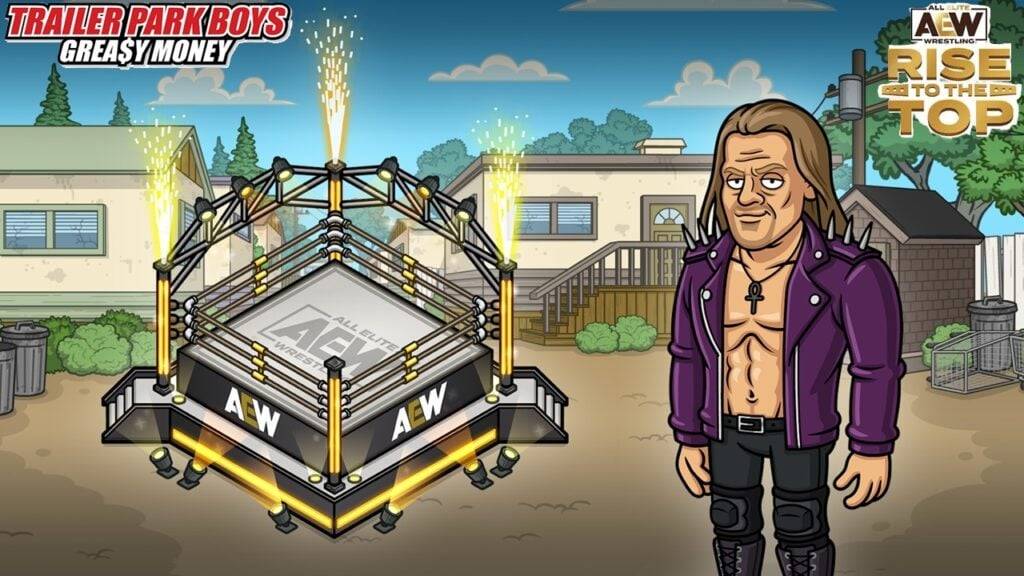 East Side Games Group is merging two wildly different universes in an exhilarating crossover. Trailer Park Boys: Greasy Money is joining forces with All Elite Wrestling: Rise to The Top. This special event begins on March 27th at 2:00 PM PT, deliveriAuthor : Sarah Mar 17,2026
 -
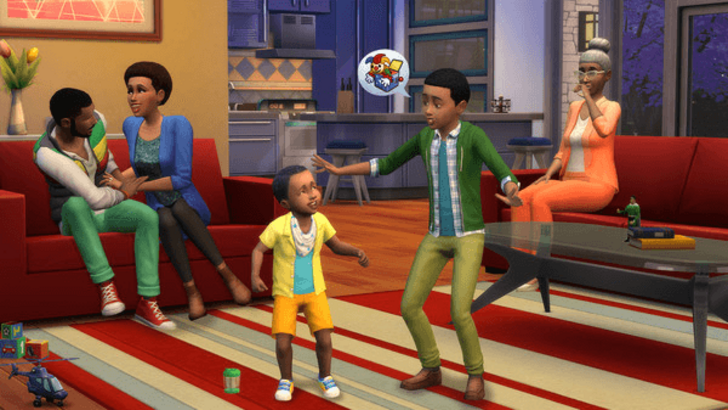 After years of speculation about The Sims 5, EA is charting a bold new course for the franchise. Instead of traditional numbered sequels, the company plans to expand "The Sims Universe" with ongoing updates across multiple titles.EA Plans on ExpandinAuthor : Samuel Mar 16,2026
-
 Airport Clash 3D - Minigun ShoDownload
 -
 A RecreativaDownload
 -
 com.crikey.dreamcarnival ModDownload
 -
 تحدي ام حقيقةDownload
 -
 Madden NFL 25 CompanionDownload
 -
 Survivor Z: Zombie SurvivalDownload
 -
 Dinosaur Hunting: Trex HunterDownload
 -
 Z書庫Download
 -
 Word Game. Crossword Search PuDownload
 -
 Buckshot Roulette: PvP DuelDownload




- Classic WoW vs. Turtle WoW: 6 Key Differences
- Ultimate Guide to Shinigami Progression in Hollow Era
- Roblox Simulator Codes: Unlock Exclusive Rewards!
- Mastering Two-Handed Weapons in Elden Ring: A Guide
- Wuthering Waves: Uncover the Secrets of Whisperwind Haven's Palette
- Top 25 Palworld Mods to Enhance Your Game