
The Lenovo Legion Go S: A Handheld PC Review
Handheld gaming PCs have exploded in popularity, largely thanks to the Steam Deck. Lenovo's Legion Go S aims to compete, offering a more streamlined design than its predecessor. Unlike the original Legion Go's detachable controllers and numerous buttons, the Go S boasts a unibody design, closer in aesthetic to the Asus ROG Ally. A SteamOS version is slated for later this year, a first for a non-Valve handheld, but this review focuses on the Windows 11 model. However, at $729, the Lenovo Legion Go S faces stiff competition and falls short in several areas.
Lenovo Legion Go S – Design and Display
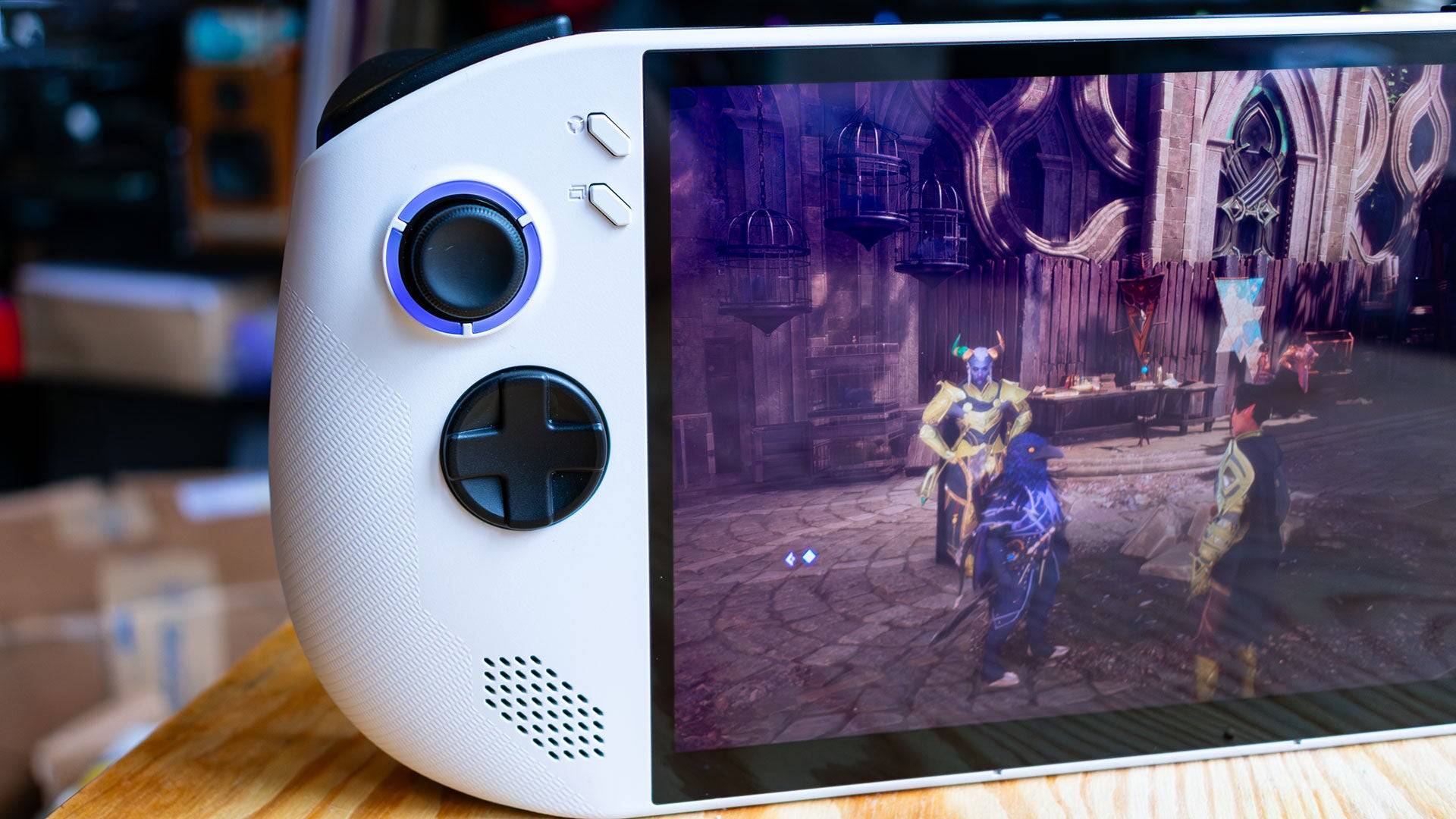
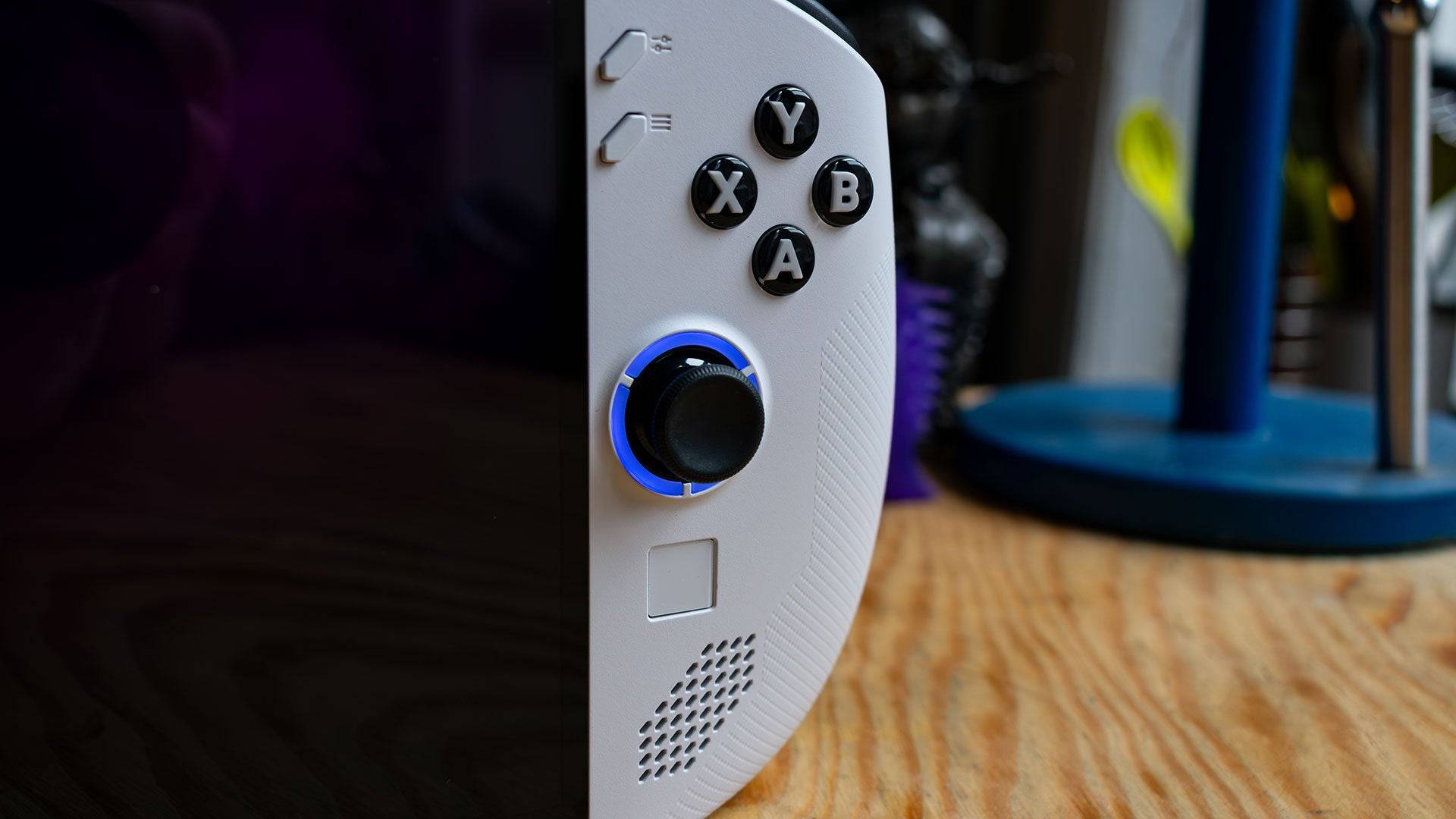
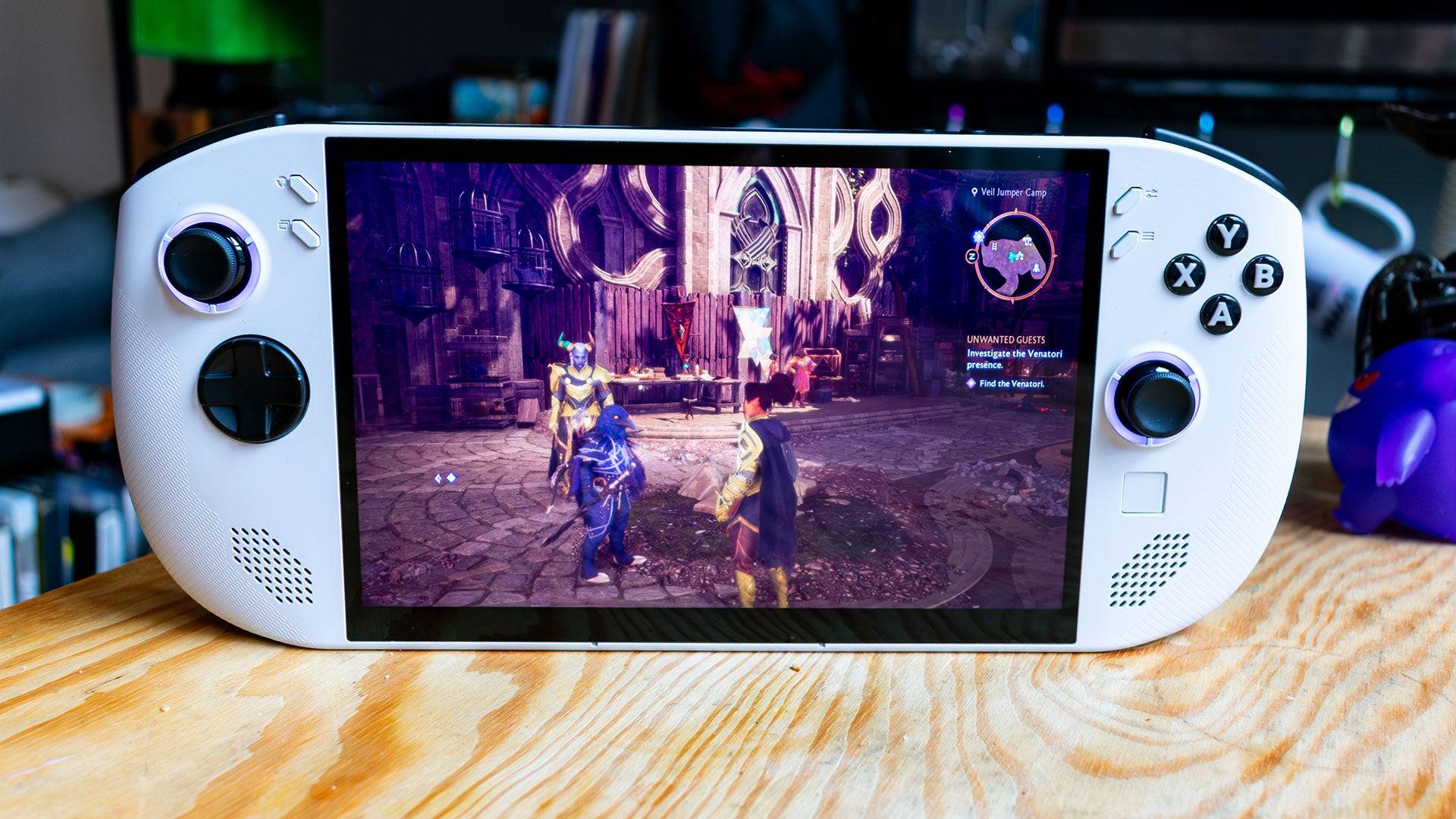
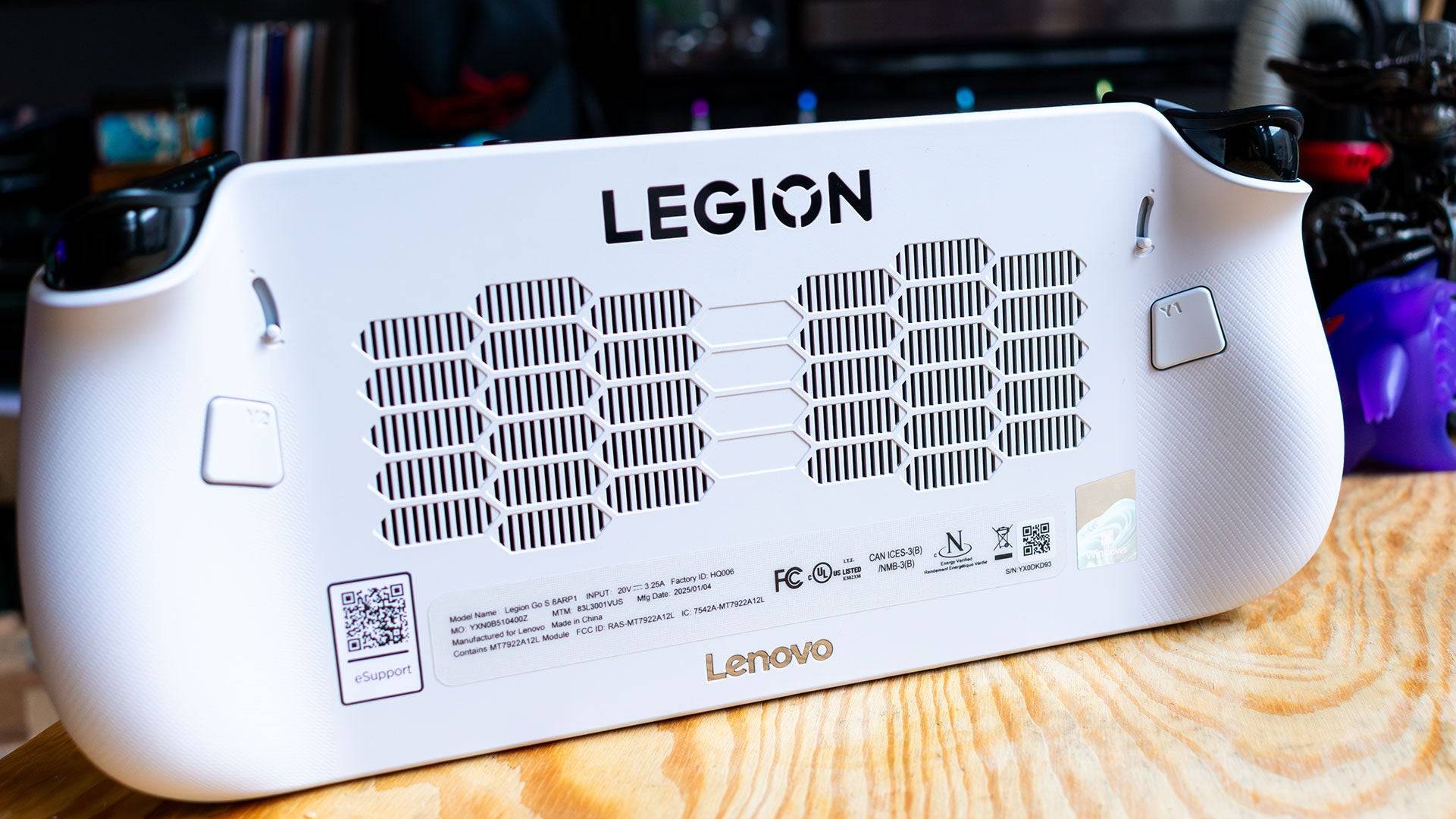
The Legion Go S's unibody design is comfortable to hold despite its 1.61-pound weight (heavier than the Asus ROG Ally X). Its 8-inch, 1200p IPS display, however, is a standout feature, boasting vibrant colors and 500 nits of brightness, rivaling even the Steam Deck's OLED screen. Available in Glacier White and Nebula Nocturne (the latter exclusive to the SteamOS version), it features RGB lighting around the joysticks.
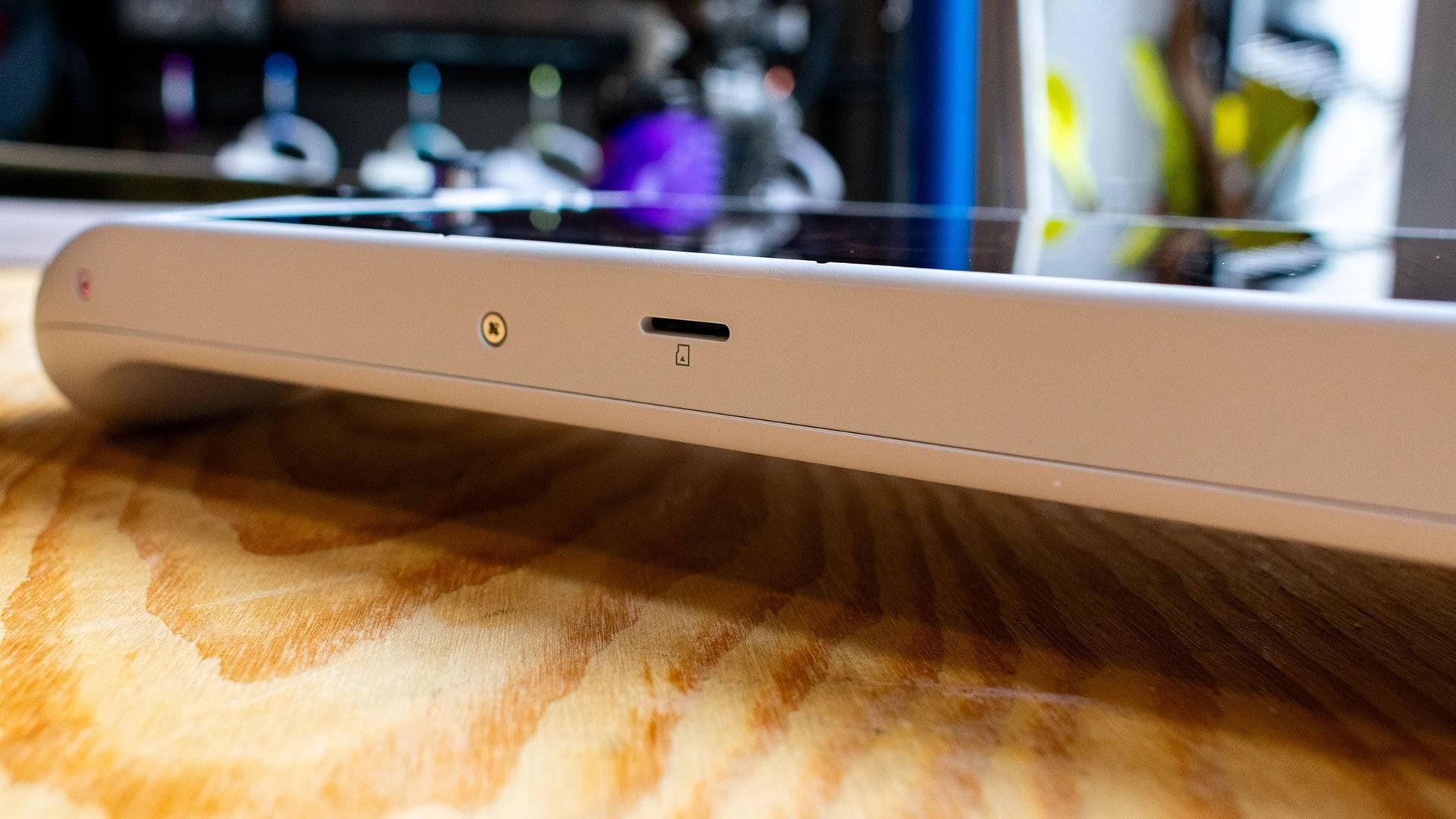
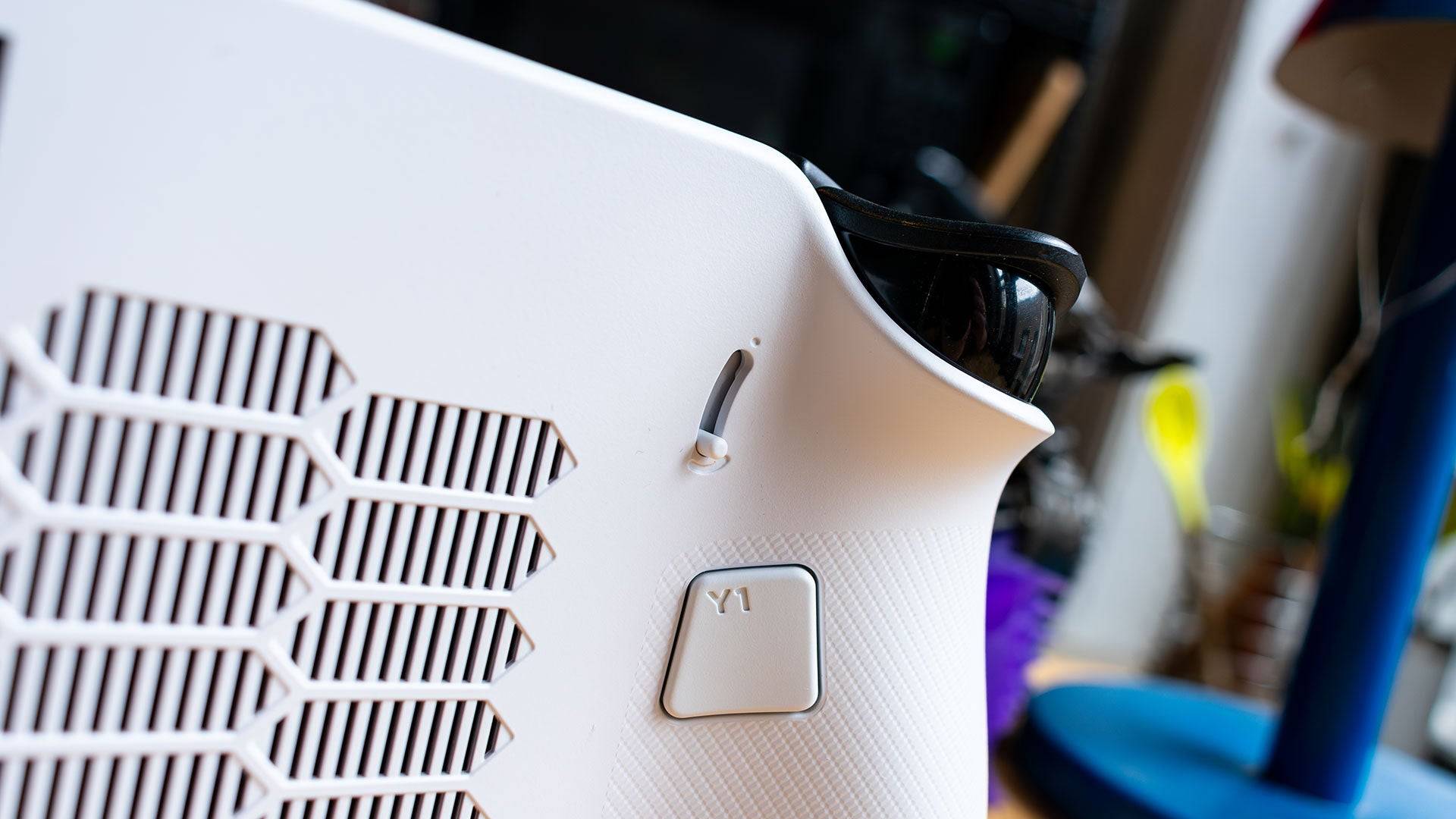
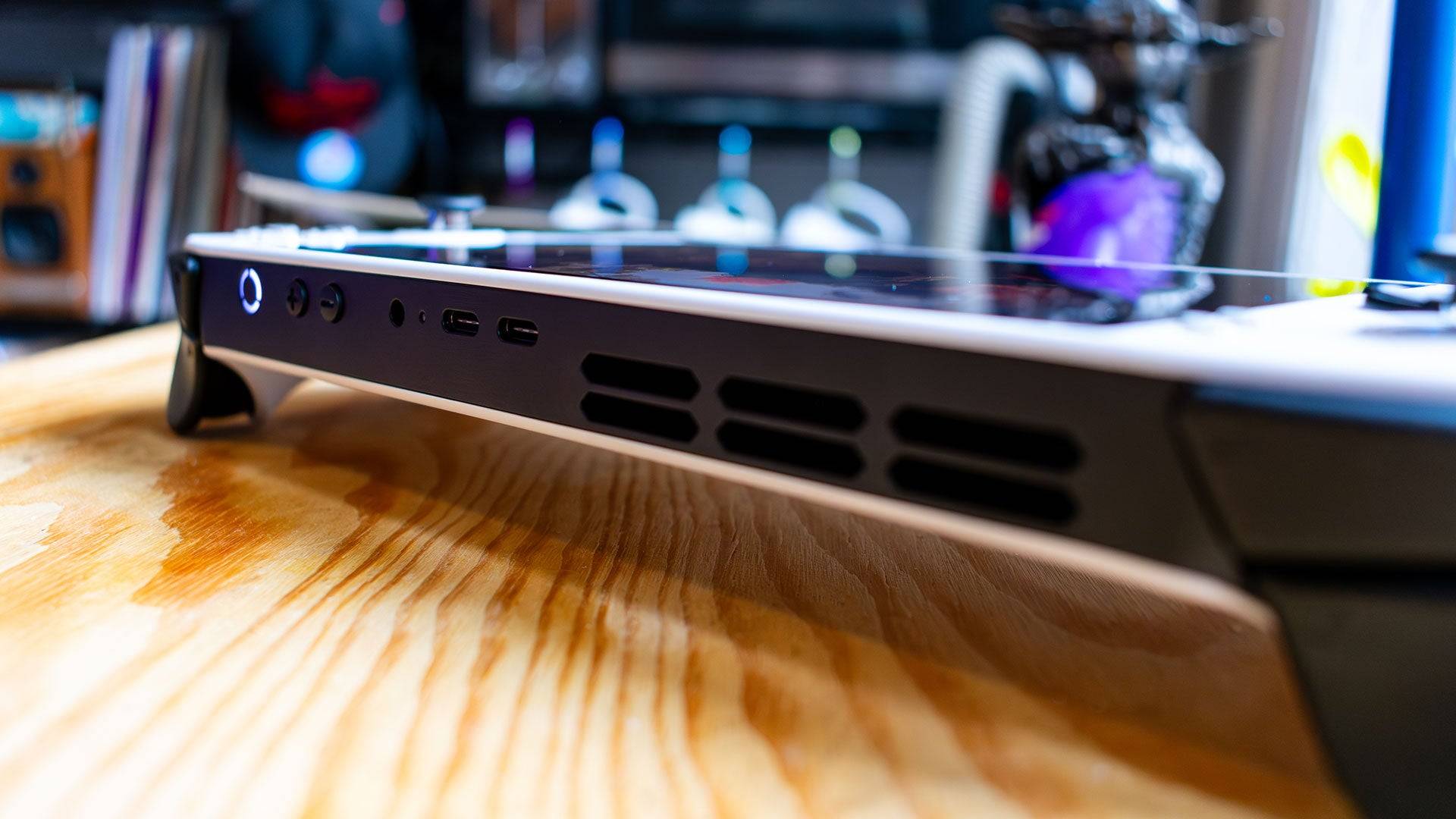
The button layout is more intuitive than the original Legion Go, though the placement of Lenovo's custom menu buttons above the standard 'Start' and 'Select' buttons requires adjustment. These menu buttons offer quick access to system settings and shortcuts. The touchpad, while smaller than its predecessor, remains functional, although navigating Windows is less seamless than on the original Legion Go. Programmable paddle buttons on the back offer satisfying clickiness with increased resistance. Adjustable triggers offer only two settings: full and minimal travel. Two USB 4 ports are located on top, while the microSD card slot is oddly placed on the bottom.
Lenovo Legion Go S – Performance and Battery Life
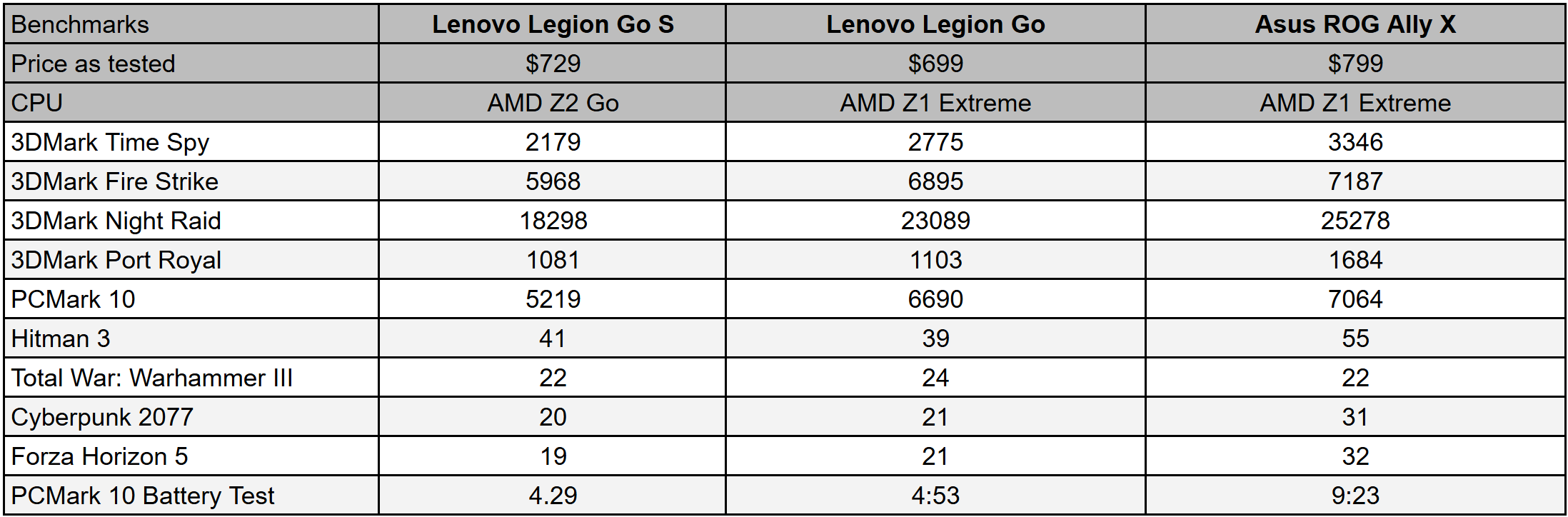
Powered by the AMD Z2 Go APU (4 cores, 8 threads, 12 RDNA 2 GPU cores), the Legion Go S's performance lags behind competitors like the Asus ROG Ally X. Benchmark tests reveal significant performance deficits. While it performs slightly better than the original Legion Go in some games, the difference is often marginal. Demanding titles like Horizon Forbidden West struggle even at low settings. Less demanding games, such as Persona 5, run smoothly. Battery life, at 4 hours and 29 minutes (PCMark10), is surprisingly shorter than the original Legion Go despite the weaker chipset.
Pricing and Configuration
The reviewed configuration ($729) includes 32GB of LPDDR5 RAM and a 1TB SSD—excessive for the Z2 Go APU's capabilities. A more affordable 16GB/512GB model will be released in May for $599. The higher RAM in the initial release doesn't translate to significant performance gains, especially given the slower memory speed (6,400MHz vs. the Legion Go's 7,500MHz). Manually allocating more memory to the frame buffer in the BIOS can improve performance, but this is an unnecessary user-level adjustment.
Conclusion
The Lenovo Legion Go S, in its initial configuration, is overpriced. The excessive RAM offers little benefit for the weaker APU. The $599 model, however, presents a much more compelling value proposition. While capable of running most AAA titles at lower settings, it's not ideal for high-end gaming. Its strengths lie in its comfortable design, excellent display, and the promise of a SteamOS version. The $599 configuration significantly improves its value, making it a more competitive option in the handheld gaming PC market.
-
 East Side Games Group is merging two wildly different universes in an exhilarating crossover. Trailer Park Boys: Greasy Money is joining forces with All Elite Wrestling: Rise to The Top. This special event begins on March 27th at 2:00 PM PT, deliveriAuthor : Sarah Mar 17,2026
 -
 After years of speculation about The Sims 5, EA is charting a bold new course for the franchise. Instead of traditional numbered sequels, the company plans to expand "The Sims Universe" with ongoing updates across multiple titles.EA Plans on ExpandinAuthor : Samuel Mar 16,2026
-
 A RecreativaDownload
 -
 com.crikey.dreamcarnival ModDownload
 -
 تحدي ام حقيقةDownload
 -
 Madden NFL 25 CompanionDownload
 -
 Survivor Z: Zombie SurvivalDownload
 -
 Dinosaur Hunting: Trex HunterDownload
 -
 Z書庫Download
 -
 Word Game. Crossword Search PuDownload
 -
 Buckshot Roulette: PvP DuelDownload
 -
 4 Pics Association Word PuzzleDownload










- Classic WoW vs. Turtle WoW: 6 Key Differences
- Ultimate Guide to Shinigami Progression in Hollow Era
- Roblox Simulator Codes: Unlock Exclusive Rewards!
- Mastering Two-Handed Weapons in Elden Ring: A Guide
- Wuthering Waves: Uncover the Secrets of Whisperwind Haven's Palette
- Top 25 Palworld Mods to Enhance Your Game