
Tencent Blacklisted as Chinese Military-Linked Firm
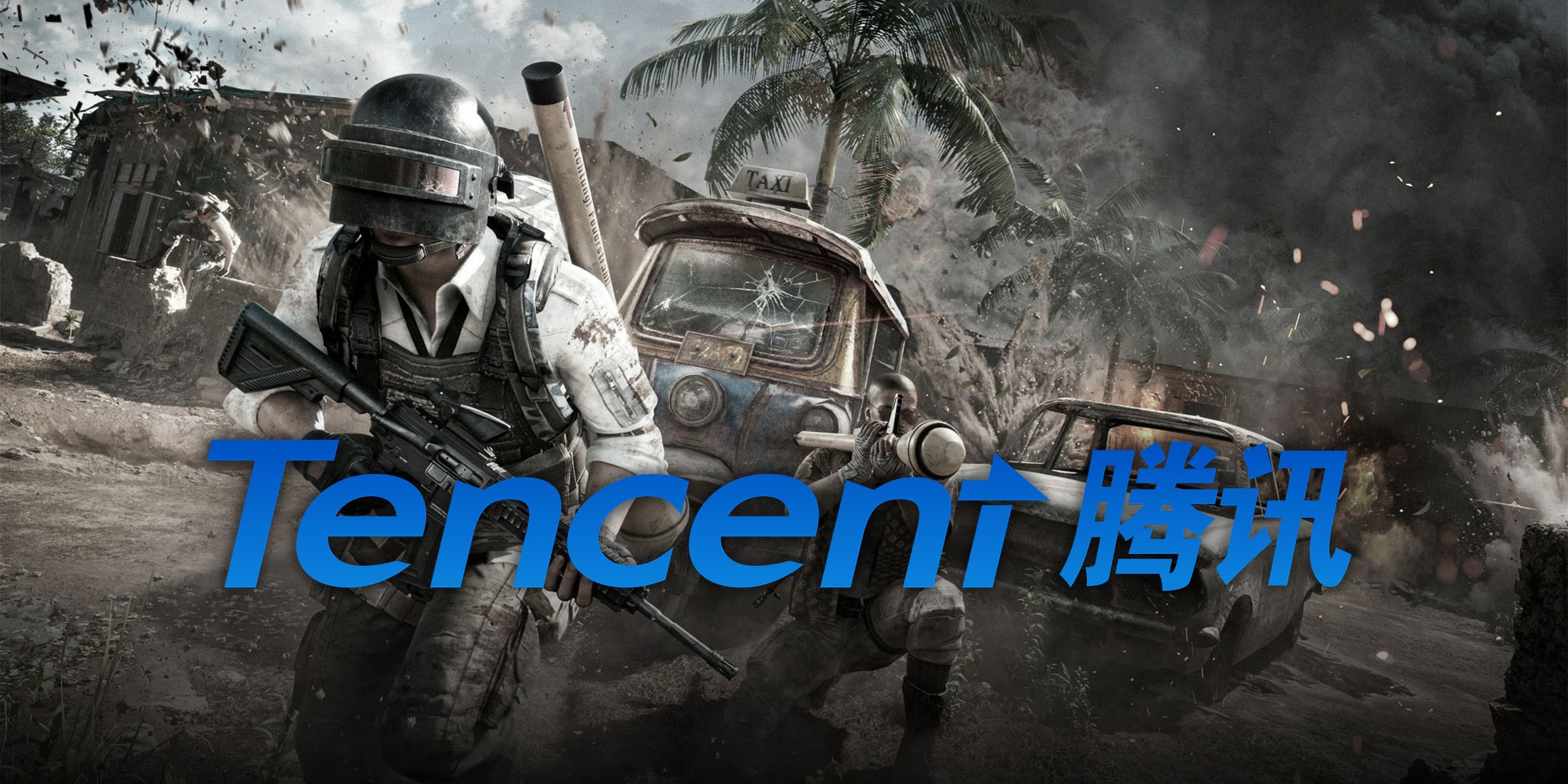
Pentagon List Includes Tencent, Impacting Stock Value
Tencent, a major Chinese technology company, has been added to the U.S. Department of Defense's list of companies with ties to the Chinese military. This designation, stemming from a 2020 executive order, prohibits U.S. investors from engaging with these entities. The inclusion on the list immediately impacted Tencent's stock price.
The DOD's list, initially comprising 31 companies, now includes Tencent and others identified as contributing to the People's Liberation Army's modernization through technology and expertise. The executive order's implementation previously led to the delisting of several companies from the New York Stock Exchange.
Tencent's Response
In a statement to Bloomberg, Tencent denied being a military company or supplier, asserting that the listing wouldn't affect its operations. However, the company indicated it would collaborate with the DOD to clarify any misunderstandings. This proactive approach mirrors that of other companies who've successfully had their names removed from the list after demonstrating they no longer meet the criteria.
Market Impact
The release of the updated list triggered a significant drop in Tencent's share price, falling 6% on January 6th and continuing a slight downward trend. Analysts attribute this decline directly to the DOD's designation. Given Tencent's global prominence – it's the world's largest video game company by investment and a leading global corporation – this inclusion has substantial financial ramifications.
Tencent's Broad Reach
Beyond its dominant position in gaming (through Tencent Games, which publishes and invests in numerous studios including Epic Games, Riot Games, Techland, Dontnod, Remedy Entertainment, and FromSoftware), Tencent's holdings extend to companies like Discord. Its market capitalization dwarfs that of its nearest competitor, Sony, by a factor of nearly four. The potential loss of U.S. investment presents a significant challenge to this industry giant.
-
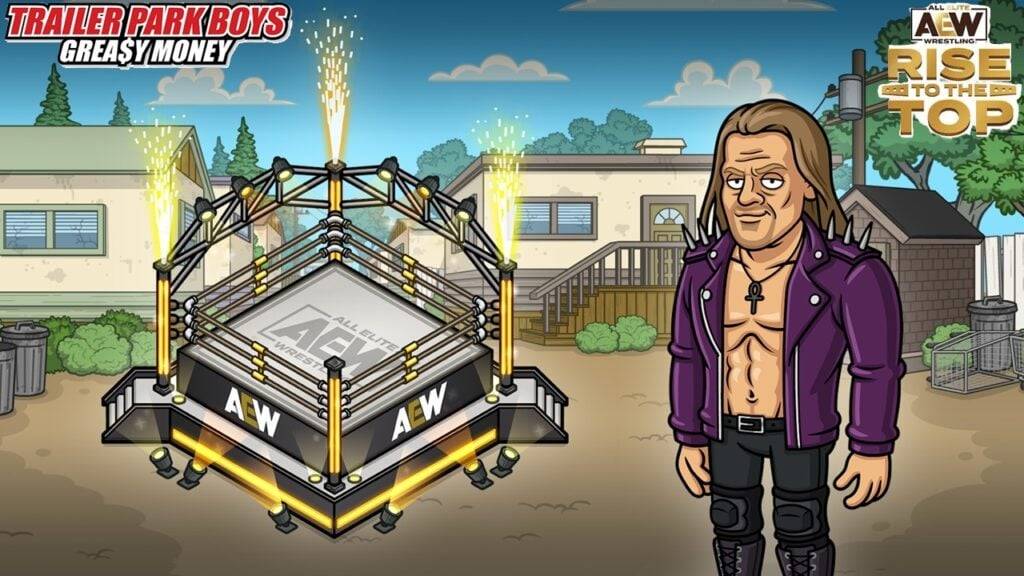 East Side Games Group is merging two wildly different universes in an exhilarating crossover. Trailer Park Boys: Greasy Money is joining forces with All Elite Wrestling: Rise to The Top. This special event begins on March 27th at 2:00 PM PT, deliveriAuthor : Sarah Mar 17,2026
 -
 After years of speculation about The Sims 5, EA is charting a bold new course for the franchise. Instead of traditional numbered sequels, the company plans to expand "The Sims Universe" with ongoing updates across multiple titles.EA Plans on ExpandinAuthor : Samuel Mar 16,2026
-
 Airport Clash 3D - Minigun ShoDownload
 -
 A RecreativaDownload
 -
 com.crikey.dreamcarnival ModDownload
 -
 تحدي ام حقيقةDownload
 -
 Madden NFL 25 CompanionDownload
 -
 Survivor Z: Zombie SurvivalDownload
 -
 Dinosaur Hunting: Trex HunterDownload
 -
 Z書庫Download
 -
 Word Game. Crossword Search PuDownload
 -
 Buckshot Roulette: PvP DuelDownload









- Classic WoW vs. Turtle WoW: 6 Key Differences
- Ultimate Guide to Shinigami Progression in Hollow Era
- Roblox Simulator Codes: Unlock Exclusive Rewards!
- Mastering Two-Handed Weapons in Elden Ring: A Guide
- Wuthering Waves: Uncover the Secrets of Whisperwind Haven's Palette
- Top 25 Palworld Mods to Enhance Your Game