
VPN Use Simplified for Enhanced Digital Security and Privacy
Unprotected internet browsing? Think twice. While we wouldn't dream of invading your privacy, accessing the internet without a VPN is incredibly risky. It's like broadcasting your personal information – name, address, email, phone number, and more – for all to see.
While many are aware of privacy concerns, few actively protect themselves. Only a fraction of internet users employ VPNs, even fewer safeguarding their mobile devices on public Wi-Fi. Let's explore why securing your Android phone with a VPN is crucial, straightforward, and surprisingly enjoyable.
Understanding VPNs
 A VPN, or Virtual Private Network, masks your IP address (revealing your location and online activity) with the IP address of an anonymous server. This prevents anyone from tracking your data, even your internet service provider (ISP).
The encrypted connection established by your VPN software shields your data from cybercriminals targeting unsuspecting users on public networks. Even at home, your VPN safeguards your location and other sensitive information.
Beyond Security: VPN Advantages
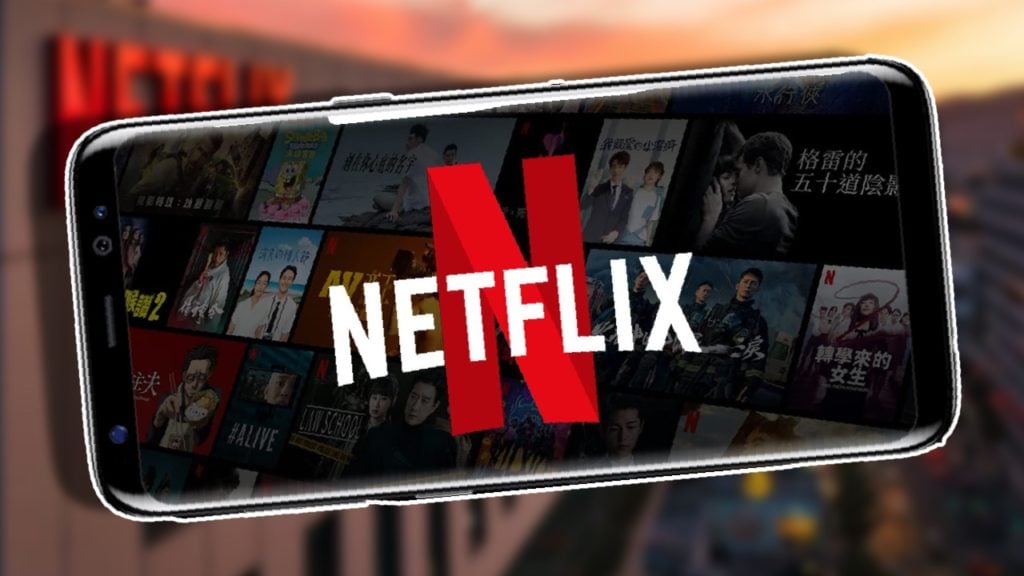 VPNs offer more than just security. Bypass geographical restrictions and censorship easily by connecting to servers in different countries. Access region-locked content – Netflix, YouTube, games, and more – regardless of your location.
Imagine unlocking a world of content previously unavailable due to licensing or regional limitations. This is the power of a VPN. It's surprisingly simple to use: install an app, register, and select a server location. The seemingly complex "VPN" becomes effortlessly user-friendly.
-
 East Side Games Group is merging two wildly different universes in an exhilarating crossover. Trailer Park Boys: Greasy Money is joining forces with All Elite Wrestling: Rise to The Top. This special event begins on March 27th at 2:00 PM PT, deliveriAuthor : Sarah Mar 17,2026
 -
 After years of speculation about The Sims 5, EA is charting a bold new course for the franchise. Instead of traditional numbered sequels, the company plans to expand "The Sims Universe" with ongoing updates across multiple titles.EA Plans on ExpandinAuthor : Samuel Mar 16,2026
-
 Airport Clash 3D - Minigun ShoDownload
 -
 A RecreativaDownload
 -
 com.crikey.dreamcarnival ModDownload
 -
 تحدي ام حقيقةDownload
 -
 Madden NFL 25 CompanionDownload
 -
 Survivor Z: Zombie SurvivalDownload
 -
 Dinosaur Hunting: Trex HunterDownload
 -
 Z書庫Download
 -
 Word Game. Crossword Search PuDownload
 -
 Buckshot Roulette: PvP DuelDownload











- Classic WoW vs. Turtle WoW: 6 Key Differences
- Ultimate Guide to Shinigami Progression in Hollow Era
- Roblox Simulator Codes: Unlock Exclusive Rewards!
- Mastering Two-Handed Weapons in Elden Ring: A Guide
- Wuthering Waves: Uncover the Secrets of Whisperwind Haven's Palette
- Top 25 Palworld Mods to Enhance Your Game