
Bandai Namco Cautions on New IP Risks Amidst Market Saturation
Bandai Namco Flags Increased Risks for New IPs Amidst a Crowded Release Calendar
Bandai Namco's European CEO, Arnaud Muller, recently highlighted the significant challenges publishers face in navigating the current video game market. His comments, shared in an interview with GameIndustry.biz, underscore the rising risks associated with launching new intellectual properties (IPs).
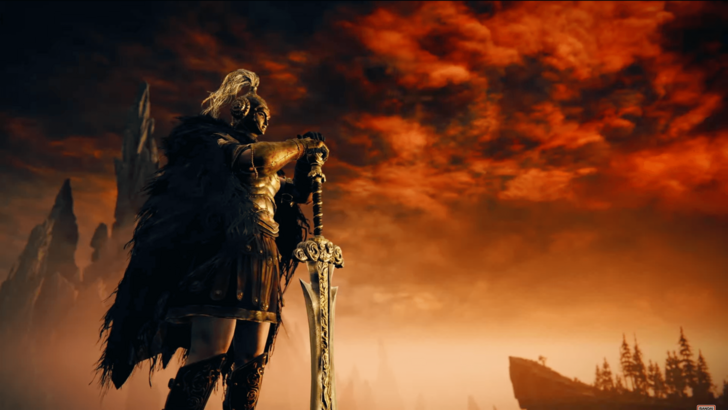
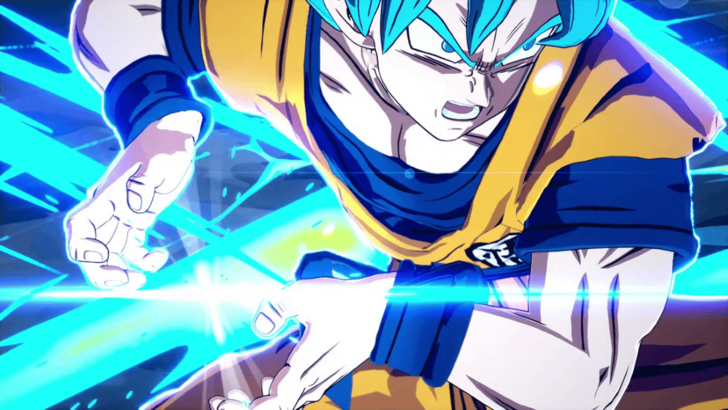
Muller acknowledges Bandai Namco's strong 2024 performance, driven by successes like Elden Ring's expansion and DRAGON BALL: Sparking! ZERO. However, he emphasizes the long-term uncertainties stemming from escalating development costs and unpredictable release dates. The company employs a "balanced risk approach," considering investment levels and the potential of both existing and new IPs.
The notion of "safe bets" is shifting, Muller explains. While some opportunities exist, launching a new IP presents increasingly difficult hurdles. Rising costs and extended development timelines necessitate meticulous planning to mitigate potential overspending and delays. Failure to account for these factors can lead to significant setbacks.
Further complicating matters is the uncertainty surrounding release schedules for major titles in 2025, including Monster Hunter Wilds, Avowed, and Ghost of Yōtei. Muller questions the likelihood of these games launching as planned, emphasizing the industry-wide challenges in accurately predicting release windows.

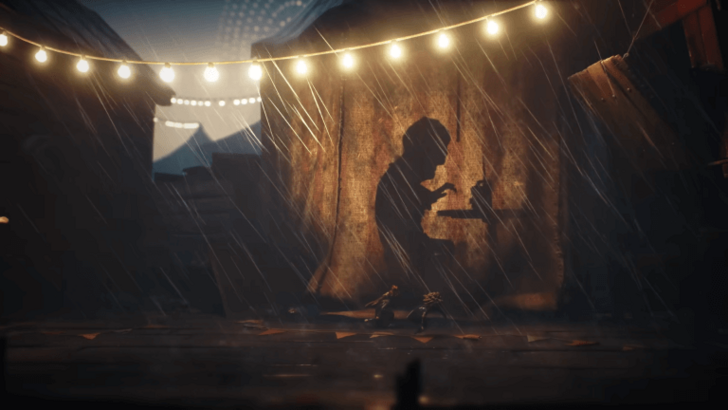
Muller suggests that focusing on established IPs, such as the upcoming Little Nightmares 3, offers a degree of stability. These franchises benefit from existing fanbases, providing a more predictable market response. However, he cautions that even established IPs are not immune to changing player preferences and market dynamics. New IPs, on the other hand, face a significantly higher risk of commercial failure due to their substantial development costs and the competitive market landscape.
Looking ahead, Muller identifies three key factors for future market growth: a favorable macroeconomic climate, strong platform install bases, and the expansion into new, high-growth markets like Brazil, South America, and India. He also highlights Bandai Namco's platform-agnostic approach, expressing readiness to invest in the upcoming Nintendo Switch 2.
Despite the acknowledged challenges, Muller remains optimistic about the industry's future, contingent on the successful launch of the planned 2025 game portfolio.
-
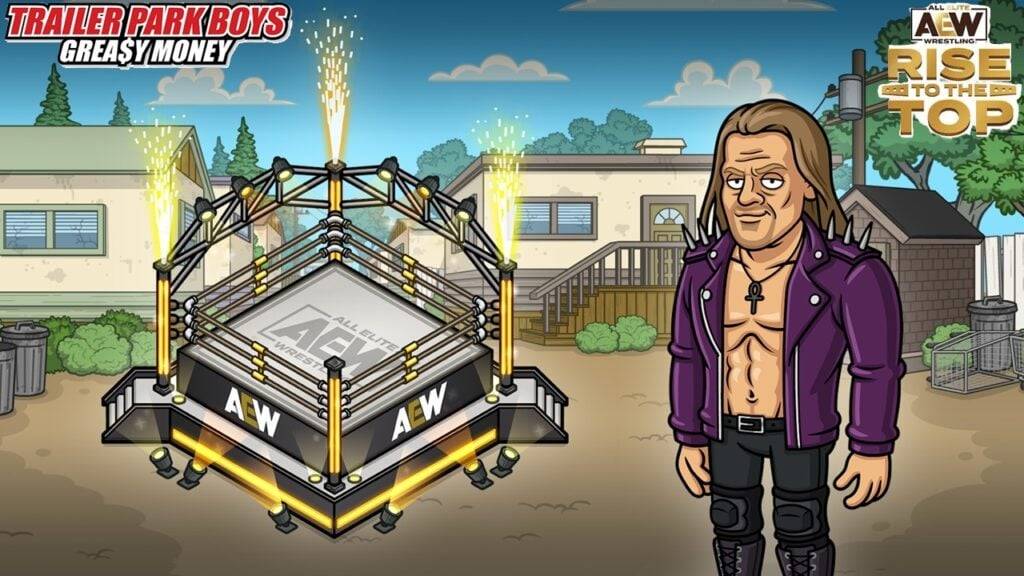 East Side Games Group is merging two wildly different universes in an exhilarating crossover. Trailer Park Boys: Greasy Money is joining forces with All Elite Wrestling: Rise to The Top. This special event begins on March 27th at 2:00 PM PT, deliveriAuthor : Sarah Mar 17,2026
 -
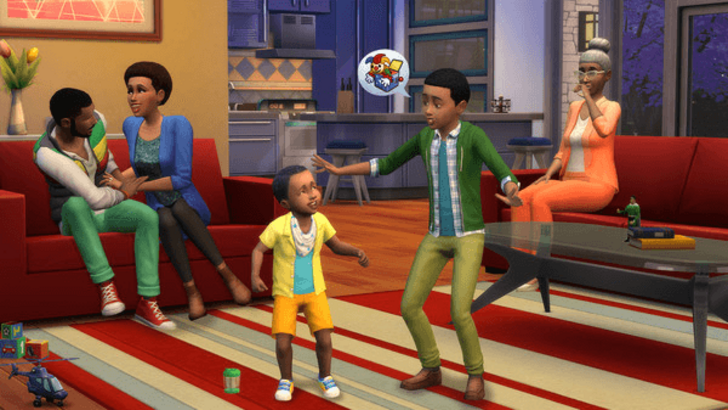 After years of speculation about The Sims 5, EA is charting a bold new course for the franchise. Instead of traditional numbered sequels, the company plans to expand "The Sims Universe" with ongoing updates across multiple titles.EA Plans on ExpandinAuthor : Samuel Mar 16,2026
-
 Airport Clash 3D - Minigun ShoDownload
 -
 A RecreativaDownload
 -
 com.crikey.dreamcarnival ModDownload
 -
 تحدي ام حقيقةDownload
 -
 Madden NFL 25 CompanionDownload
 -
 Survivor Z: Zombie SurvivalDownload
 -
 Dinosaur Hunting: Trex HunterDownload
 -
 Z書庫Download
 -
 Word Game. Crossword Search PuDownload
 -
 Buckshot Roulette: PvP DuelDownload










- Classic WoW vs. Turtle WoW: 6 Key Differences
- Ultimate Guide to Shinigami Progression in Hollow Era
- Roblox Simulator Codes: Unlock Exclusive Rewards!
- Mastering Two-Handed Weapons in Elden Ring: A Guide
- Wuthering Waves: Uncover the Secrets of Whisperwind Haven's Palette
- Top 25 Palworld Mods to Enhance Your Game