
Nintendo Motion Against Piracy Unveiled
Nintendo's aggressive stance against emulation is well-documented. Recent examples include the $2.4 million settlement with Yuzu emulator developers in March 2024, the October 2024 cessation of Ryujinx development following Nintendo's intervention, and the legal advice against a full Steam release for the Dolphin emulator in 2023 due to Nintendo's pressure. The 2023 case against Gary Bowser, who resold devices enabling Nintendo Switch piracy, resulted in a $14.5 million judgment.
A Nintendo patent attorney, Koji Nishiura, recently shed light on the company's strategy at Tokyo eSports Festa 2025. While emulators aren't inherently illegal, Nishiura clarified that their use can become illegal under certain circumstances. Specifically, emulators that copy game programs or bypass console security measures may infringe on copyright laws. This is largely based on Japan's Unfair Competition Prevention Act (UCPA), which limits Nintendo's legal reach internationally.
The presentation highlighted the Nintendo DS "R4" card as a prime example. This device allowed users to play pirated games, leading to a successful UCPA lawsuit against its manufacturers and distributors, effectively banning its sale in 2009. Nishiura also emphasized that tools facilitating pirated software downloads within emulators, such as the 3DS "Freeshop" or the Switch "Tinfoil" app, also violate copyright law.
Nintendo's lawsuit against Yuzu cited one million pirated copies of The Legend of Zelda: Tears of the Kingdom, highlighting the alleged $30,000 monthly Patreon revenue generated by providing subscribers with early access and exclusive features.
-
Lego Batman: Legacy of the Dark Knight Lego Batman: Legacy of the Dark Knight has been unveiled during Gamescom’s Opening Night Live, showcasing an expansive open-world Gotham City you can explore in the iconic Batmobile. The highly anticipated projeAuthor : Ava Mar 25,2026
-
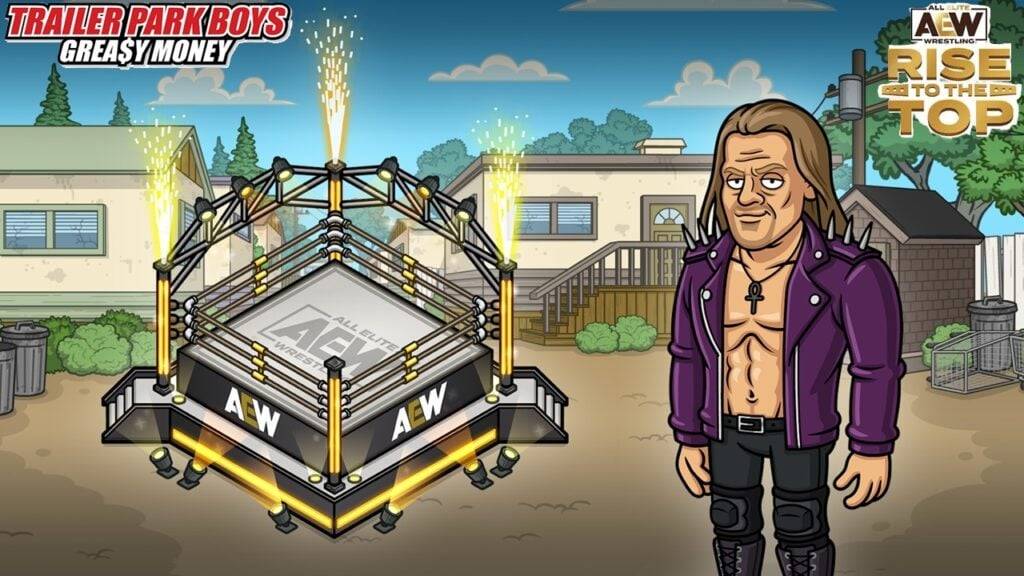 East Side Games Group is merging two wildly different universes in an exhilarating crossover. Trailer Park Boys: Greasy Money is joining forces with All Elite Wrestling: Rise to The Top. This special event begins on March 27th at 2:00 PM PT, deliveriAuthor : Sarah Mar 17,2026















- Classic WoW vs. Turtle WoW: 6 Key Differences
- Ultimate Guide to Shinigami Progression in Hollow Era
- Mastering Two-Handed Weapons in Elden Ring: A Guide
- Roblox Simulator Codes: Unlock Exclusive Rewards!
- Wuthering Waves: Uncover the Secrets of Whisperwind Haven's Palette
- Top 25 Palworld Mods to Enhance Your Game