
Firaxis réduit ses effectifs alors que les ventes de Civilization 7 répondent aux prévisions
The recent layoffs at Firaxis Games, confirmed by 2K and shared by multiple employees on social media, mark a notable development in the ongoing journey of Civilization VII—a game that, despite a mixed reception and technical hurdles, continues to be backed by Take-Two Interactive’s long-term confidence.
Key Takeaways:
-
Unspecified Layoffs Across Departments: Employees from production, narrative, and art teams have confirmed they were let go. The lack of transparency around the exact number of affected staff underscores the sensitivity and internal nature of the restructuring.
-
2K’s Statement on Restructuring: The publisher emphasized that the move is part of a broader effort to "optimize development processes" for greater adaptability, collaboration, and creativity—a signal that the studio may be shifting toward a more agile or leaner model, possibly in response to post-launch challenges.
-
Mixed Launch Reception: Civilization VII launched to a divided audience on Steam, with player feedback highlighting:
- A clunky or unintuitive user interface
- Limited map variety compared to previous entries
- Missing features fans had anticipated (e.g., deeper diplomacy mechanics, more diverse civilizations, or new gameplay systems)
Firaxis has since released several patches to address these concerns, indicating an active effort to refine the game post-launch.
-
Take-Two’s Long-Term Confidence: CEO Strauss Zelnick defended the game’s trajectory, calling it a "slow burn"—a phrase he used to stress that Civilization has historically built momentum over years, not months. He reaffirmed that the game’s projected lifetime value remains on track, aligning with initial expectations.
“Our current projections for the game's lifetime value are very much in line with what we originally anticipated.”
This stance suggests that Take-Two views the layoffs not as a sign of failure, but as a strategic pivot to better position the franchise for long-term success, even if short-term results are under pressure.
-
The “Long Tail” Reality of Civilization: Zelnick’s acknowledgment of the franchise’s unique lifecycle is telling. Civilization has long thrived on enduring community engagement, mod support, and annual expansions. Games like Civilization V and VI saw major growth years after launch, fueled by community content and DLC.
What’s Next?
-
More Updates Expected: With new patches already in motion, it’s likely that Firaxis will continue iterating on gameplay, UI, and content—especially if player engagement continues to rise.
-
Uncertainty Around Future Direction: While the studio remains committed to the franchise, the layoffs raise questions about how much internal capacity will be left for future projects. Will Civilization VII receive major expansions? Will the team restructure around new priorities?
-
Employee Morale & Industry Context: The move comes amid broader industry-wide layoffs and restructuring, particularly in mid-tier studios. While Take-Two has maintained strong financial health, the decision to cut roles at a key developer like Firaxis signals that even iconic franchises aren't immune to pressure to reduce costs.
Final Thoughts
The layoffs at Firaxis are not a rejection of Civilization VII—they are, in fact, a management response to a challenging launch, not a failure. Take-Two’s belief in the franchise’s long-term potential, backed by historical precedent, suggests this is a tactical recalibration, not a retreat.
That said, the emotional and creative toll on the team—especially those who poured years into the game—cannot be overstated. The fact that staff from narrative and art departments were affected adds weight to concerns about whether the vision for Civilization VII is still being fully realized.
For now, the message from leadership is clear:
“The long tail is still intact. The game is still on track.”
But whether that promise holds depends on how well the team—new and old—can now re-engage with a franchise that thrives not on launch hype, but on enduring legacy.
-
 Wreckfest introduit une nouvelle version démo « essayer avant d'acheter »Découvrez le jeu complet avec une limite de temps de 30 minutesProfitez du chaos des derbies de démolition directement sur votre appareil mobileL'expression « comme regarder unAuteur : Violet Apr 22,2026
 -
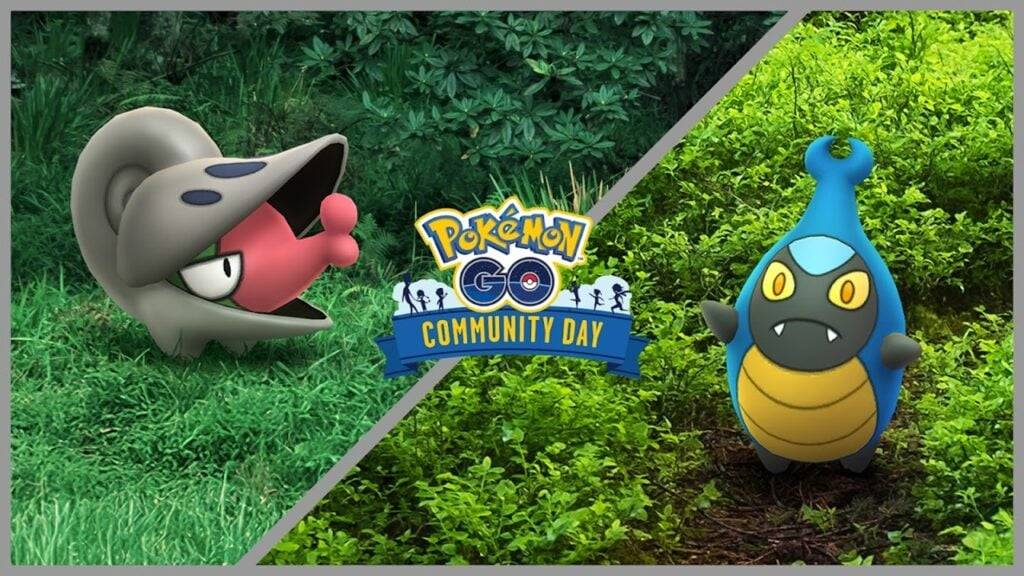 Pokémon Go a dévoilé les détails de la Journée de la Communauté de février, mettant en vedette deux Pokémon spéciaux. L’événement se déroule de 14h00 à 17h00 heure locale le 9 février 2025. Pokémon de la Journée de la Communauté de février révélésAuteur : Eric Apr 10,2026

















- Classic Wow vs Turtle Wow: 6 différences clés
- Guide ultime de la progression du shinigami à l'ère creuse
- Roblox Codes de simulateur: Déverrouillez les récompenses exclusives!
- Maîtriser les armes à deux mains dans Elden Ring: A Guide
- Wuthering Waves : découvrez les secrets de la palette de Whisperwind Haven
- Top 25 des mods Palworld pour améliorer votre jeu
-
1Meilleurs joueurs de médias pour le streaming lisse
-
2Applications d'abonnement à magazine incontournable
-
3Meilleurs jeux de stratégie d'action pour Android
-
4Jeux occasionnels addictifs pour tout le monde
-
5Les principales applications de style de vie pour améliorer votre vie
-
6Essential Beauty Apps for Wellness