
China's AI Models May Rely on OpenAI Data: Ironic Discovery
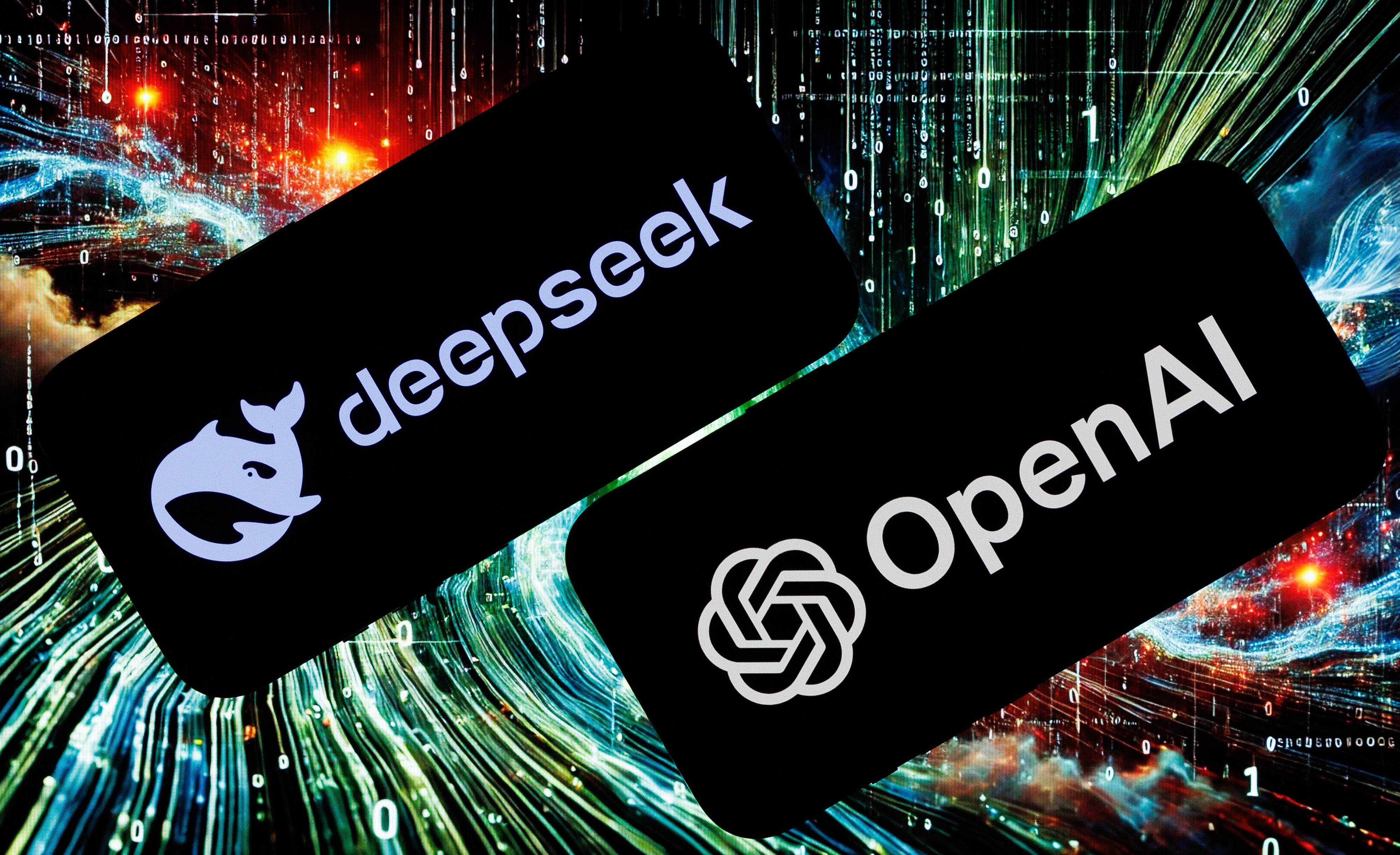
OpenAI suspects that DeepSeek, a Chinese AI model known for its low cost, may have been trained using OpenAI's data. This revelation, coupled with DeepSeek's significant market impact, has prompted concerns within the US tech industry.
Nvidia, a major player in GPU technology crucial for AI, experienced a record-breaking stock drop of 16.86% following DeepSeek's emergence. Other AI-related companies, including Microsoft, Meta, Alphabet, and Dell, also suffered significant losses.
DeepSeek's R1 model is marketed as a significantly cheaper alternative to Western AI models like ChatGPT. Its reported training cost of just $6 million, achieved using the open-source DeepSeek-V3, has raised questions about the massive investments being made by American tech companies in AI. DeepSeek's popularity, evidenced by its top ranking on US app download charts, further underscores the concern.
OpenAI and Microsoft are investigating whether DeepSeek violated OpenAI's terms of service by using its API or employing "distillation," a technique to extract data from larger models. OpenAI confirmed its awareness of such attempts by Chinese and other companies to leverage leading US AI technology. They emphasized their commitment to protecting their intellectual property and are collaborating with the US government to safeguard their advanced models.
David Sacks, President Trump's AI czar, supports the claim that DeepSeek used distillation, a practice he believes OpenAI will actively counter.
The situation highlights a significant irony: OpenAI, itself accused of utilizing copyrighted internet content to train ChatGPT, is now accusing DeepSeek of similar practices. This hypocrisy has been widely noted on social media, particularly in light of OpenAI's previous statement that creating AI models like ChatGPT without copyrighted material is impossible. This statement was made in a submission to the UK's House of Lords, where OpenAI argued that current copyright laws make it impossible to train leading AI models without using copyrighted works.
The issue of training AI models on copyrighted material is a major legal and ethical debate. Lawsuits filed by the New York Times and 17 authors against OpenAI and Microsoft exemplify this ongoing conflict. While OpenAI defends its practices as "fair use," the legal landscape remains uncertain, particularly in light of a 2018 US Copyright Office ruling that AI-generated art is not eligible for copyright protection.
-
 East Side Games Group is merging two wildly different universes in an exhilarating crossover. Trailer Park Boys: Greasy Money is joining forces with All Elite Wrestling: Rise to The Top. This special event begins on March 27th at 2:00 PM PT, deliveriAuthor : Sarah Mar 17,2026
 -
 After years of speculation about The Sims 5, EA is charting a bold new course for the franchise. Instead of traditional numbered sequels, the company plans to expand "The Sims Universe" with ongoing updates across multiple titles.EA Plans on ExpandinAuthor : Samuel Mar 16,2026
-
 Airport Clash 3D - Minigun ShoDownload
 -
 A RecreativaDownload
 -
 com.crikey.dreamcarnival ModDownload
 -
 تحدي ام حقيقةDownload
 -
 Madden NFL 25 CompanionDownload
 -
 Survivor Z: Zombie SurvivalDownload
 -
 Dinosaur Hunting: Trex HunterDownload
 -
 Z書庫Download
 -
 Word Game. Crossword Search PuDownload
 -
 Buckshot Roulette: PvP DuelDownload










- Classic WoW vs. Turtle WoW: 6 Key Differences
- Ultimate Guide to Shinigami Progression in Hollow Era
- Roblox Simulator Codes: Unlock Exclusive Rewards!
- Mastering Two-Handed Weapons in Elden Ring: A Guide
- Wuthering Waves: Uncover the Secrets of Whisperwind Haven's Palette
- Top 25 Palworld Mods to Enhance Your Game