
CoD Uvalde Lawsuit: Activision Defends Itself Extensively
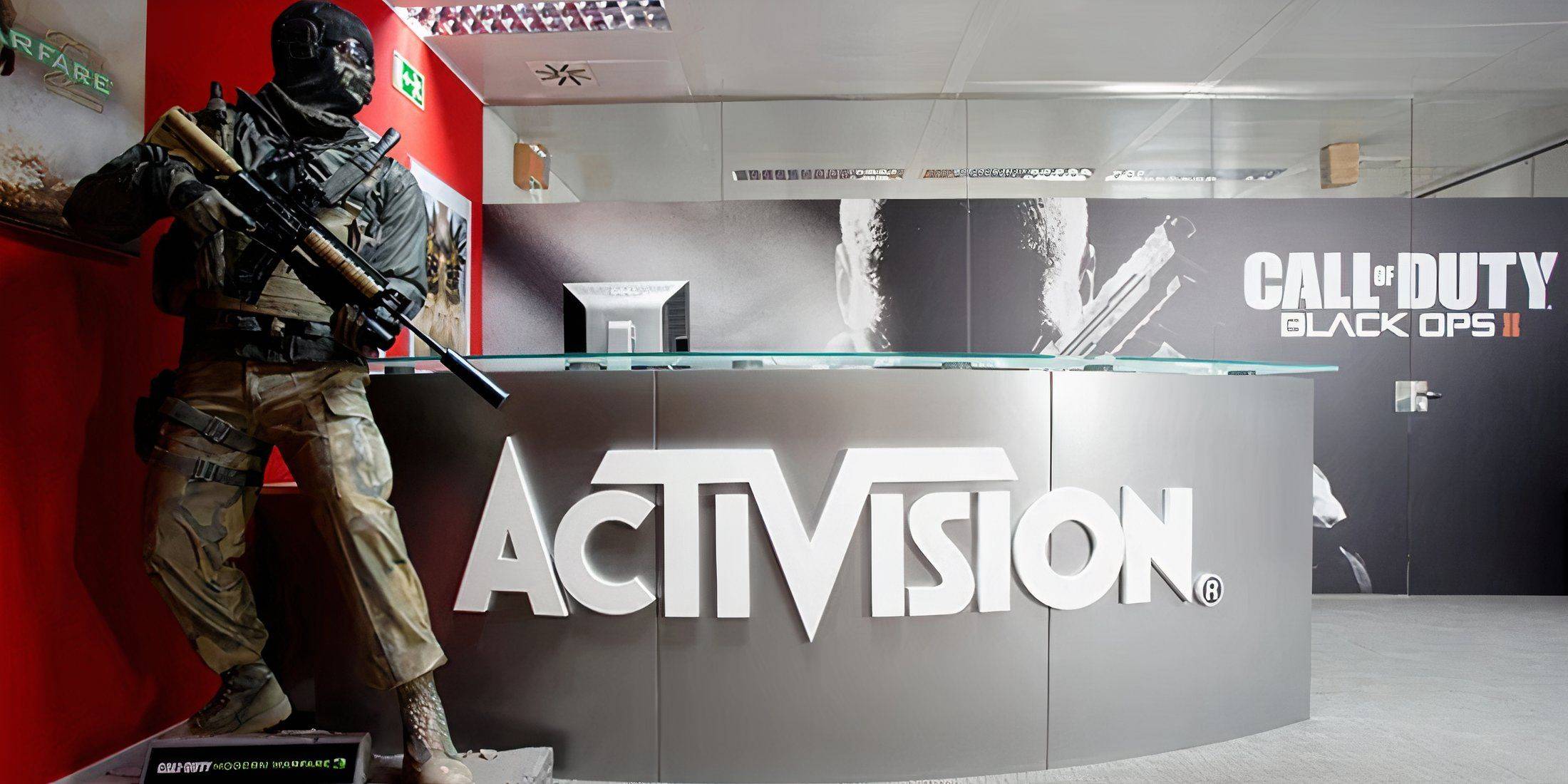
Activision Rebuts Uvalde Lawsuit Claims, Citing First Amendment Protections
Activision Blizzard has filed a robust defense against lawsuits linking its Call of Duty franchise to the 2022 Uvalde school shooting tragedy. Filed in May 2024 by families of the victims, the lawsuits claim the shooter's exposure to Call of Duty's violent content contributed to the massacre.
The May 24, 2022, Robb Elementary School shooting resulted in the deaths of 21 individuals (19 children and 2 teachers) and injuries to 17 others. The shooter, an 18-year-old former student, was a known Call of Duty player, having downloaded Modern Warfare in November 2021 and using an AR-15 rifle, similar to one depicted in the game. The original complaint also implicated Meta, alleging Instagram facilitated connections between the shooter and firearm manufacturers.
Activision's December filing, a comprehensive 150-page response, vehemently denies any causal link between Call of Duty and the tragedy. The company invoked California's anti-SLAPP laws, designed to protect free speech from frivolous litigation, and asserted Call of Duty's protected status under the First Amendment. The publisher argues that characterizing the game's content as "hyper-realistic" and directly responsible contradicts fundamental free speech rights.
Supporting its defense, Activision submitted expert declarations. A 35-page statement from Notre Dame professor Matthew Thomas Payne counters the lawsuit's "training camp" assertion, contextualizing Call of Duty's military realism within the broader tradition of war-themed films and television. A separate 38-page declaration from Patrick Kelly, Call of Duty's head of creative, details the game's development, including the substantial $700 million budget allocated to Call of Duty: Black Ops Cold War.
The Uvalde families have until late February to respond to Activision's extensive documentation. The outcome remains uncertain, but the case highlights the ongoing debate surrounding the potential influence of violent video games in mass shooting events.
-
 Bleach: Brave Souls is marking a monumental decade with its 10th anniversary celebrations. KLab has launched a new television commercial in Japan to commemorate this milestone, alongside initiating a special 10th Anniversary TV Ad Repost Campaign. InAuthor : Nathan Mar 28,2026
 -
Lego Batman: Legacy of the Dark Knight Lego Batman: Legacy of the Dark Knight has been unveiled during Gamescom’s Opening Night Live, showcasing an expansive open-world Gotham City you can explore in the iconic Batmobile. The highly anticipated projeAuthor : Ava Mar 25,2026



















- Classic WoW vs. Turtle WoW: 6 Key Differences
- Ultimate Guide to Shinigami Progression in Hollow Era
- Mastering Two-Handed Weapons in Elden Ring: A Guide
- Roblox Simulator Codes: Unlock Exclusive Rewards!
- Wuthering Waves: Uncover the Secrets of Whisperwind Haven's Palette
- Top 25 Palworld Mods to Enhance Your Game