
Exploring Monster Hunter's Narrative Depths
 Monster Hunter's narrative, often overlooked due to its straightforward nature, deserves a closer examination. This deep dive explores the underlying themes and storylines.
← Return to Monster Hunter Wilds' main article
Evolving Narratives in Monster Hunter
 The Monster Hunter series isn't primarily narrative-driven. Many consider the story secondary to the gameplay. However, this doesn't mean it's nonexistent. The mission-based structure often overshadows the overarching narrative. Is Monster Hunter merely a series of hunts for profit, fashion, and sport, or is there more depth? Let's delve into the mainline stories.
The Hunter's Journey
 Most Monster Hunter games follow a similar structure: A novice Hunter accepts quests, gradually progressing to hunt increasingly powerful monsters, ultimately becoming the village's top Hunter. The core gameplay loop centers on this progression and culminating in a final showdown with a formidable boss (e.g., Fatalis in Monster Hunter 1). Even newer titles, while enhancing storytelling, retain this fundamental structure. However, games like World and Rise, and their expansions, offer more involved narratives.
Maintaining Ecological Balance
 The series often portrays the Hunter as a force maintaining ecological balance. In Monster Hunter 4 (MH4), the Gore Magala and its Frenzy Virus threaten this balance, demanding the Hunter's intervention. The virus increases monster aggression, clearly establishing the Gore Magala as an antagonist whose defeat restores equilibrium.
However, Monster Hunter: World and Iceborne offer a more nuanced perspective. The endings suggest that while humans bear responsibility for restoring balance, they have much to learn about the natural world's intricacies.
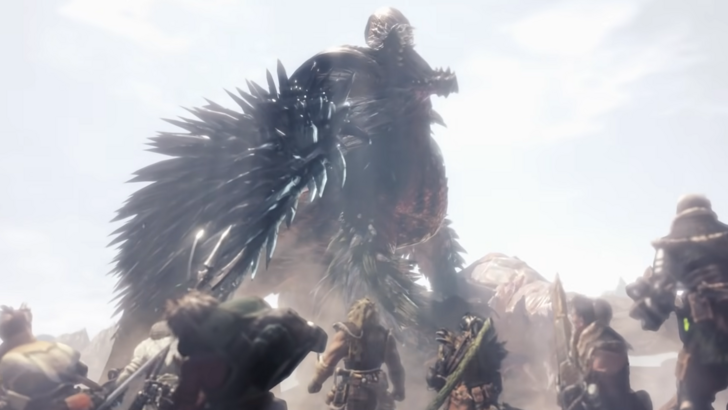 Iceborne reveals Nergigante as a natural force of balance. While its role may seem underwhelming, it perfectly encapsulates the game's theme. The base game's ending hails the Hunter as a "Sapphire Star," linking to the in-game "Tale of the Five," suggesting human acceptance of their role as nature's guardians, guided by the Hunter.
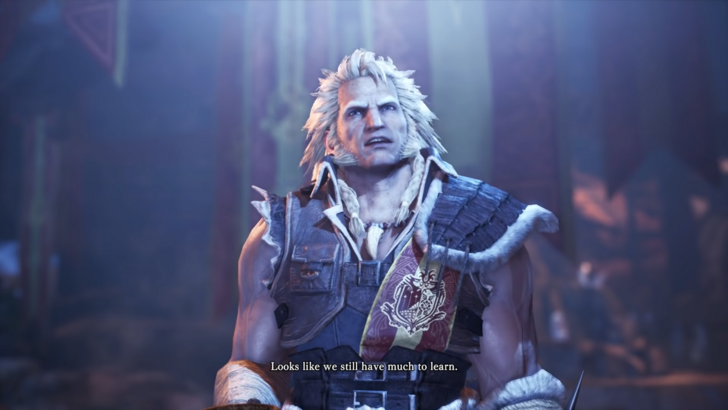 Iceborne's ending provides a counterpoint, highlighting the Research Commission's need for further understanding of nature's processes. This juxtaposition reflects nature's resilience, even without human intervention, adding thematic depth to the seemingly simple monster hunts. This interpretation underscores the game's complexity beyond its surface-level gameplay. But how do the monsters perceive the Hunter?
The Hunter's Impact on Monsters
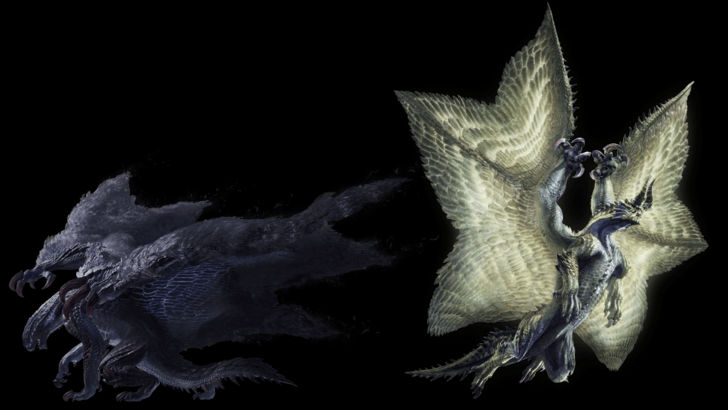 In MH4, defeating the Gore Magala only leads to a confrontation with its evolved form, the Shagaru Magala. This mirrors the player's own progression, suggesting that monsters learn and adapt to the Hunter's actions.
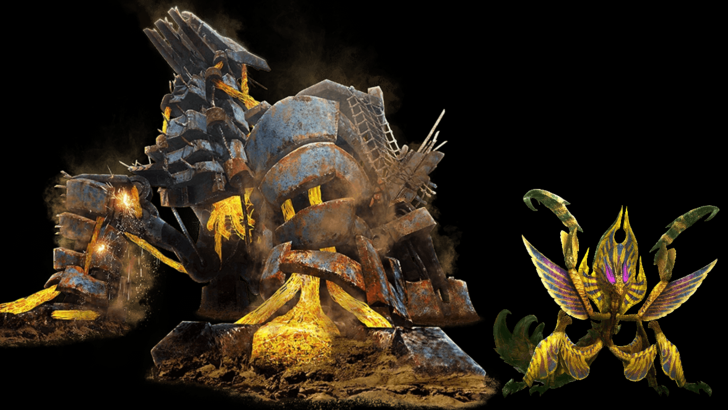 The Ahtal-Ka in Monster Hunter Generations Ultimate exemplifies this theme. Its unique design and final battle, involving a mechanical creation and a giant wheel weapon, reflect the Hunter's ingenuity and adaptability. The Ahtal-Ka's use of Hunter-like weaponry and structures showcases nature's response to human innovation. This monster's design is a brilliant reflection of the series' themes, showing nature's adaptation to human influence.
A Personal Narrative: Man vs. Wild
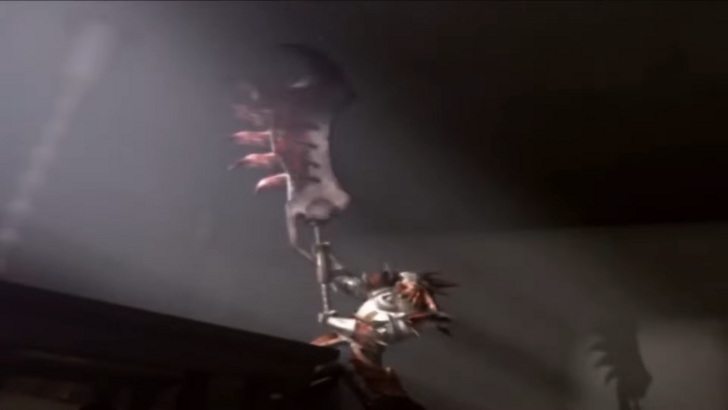 Ultimately, Monster Hunter is about the player's personal journey of growth and mastery. The game's design fosters a sense of personal narrative, similar to the Souls series, where overcoming challenges through improvement is key. The initial encounter with the Tigrex in Monster Hunter Freedom 2, for example, establishes a clear goal and motivates the player's progression.
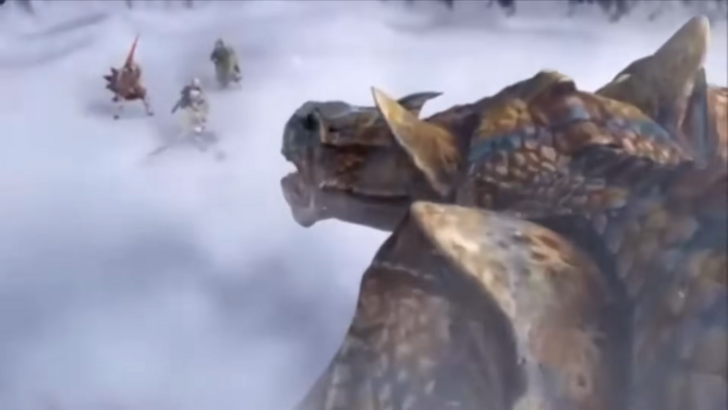 Later encounters with the same monster highlight the player's progress. These moments, while not explicitly narrative-driven, create a compelling personal story of overcoming adversity. This is reinforced by encounters with challenging monsters like the Gore Magala in MH4.
 While newer games incorporate more explicit storylines, the core experience remains deeply personal. The series' success lies in its ability to transform gameplay into a memorable, personal narrative. While the stories may not always be the most compelling, they effectively enhance the player's overall experience.
-
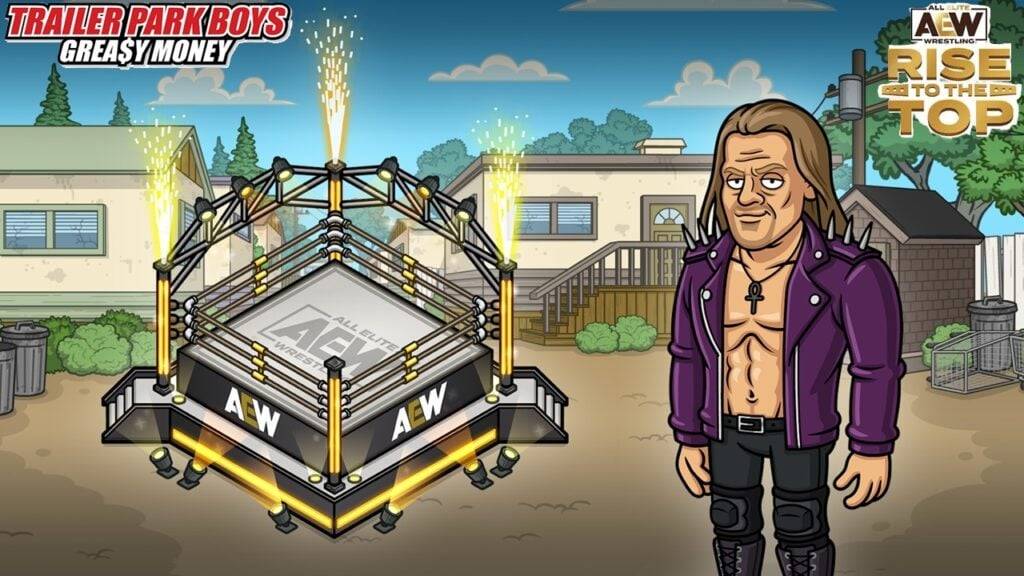 East Side Games Group is merging two wildly different universes in an exhilarating crossover. Trailer Park Boys: Greasy Money is joining forces with All Elite Wrestling: Rise to The Top. This special event begins on March 27th at 2:00 PM PT, deliveriAuthor : Sarah Mar 17,2026
 -
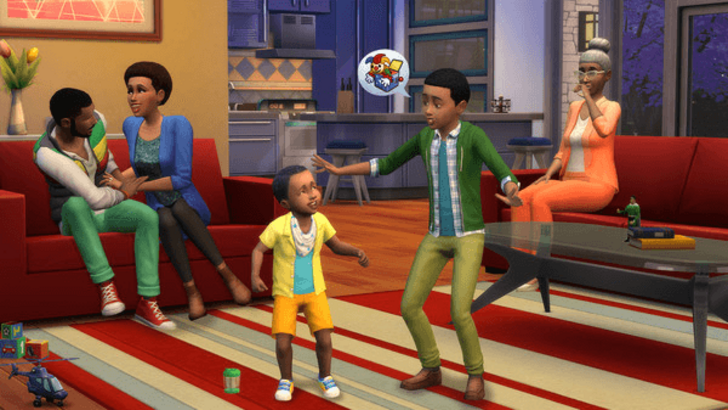 After years of speculation about The Sims 5, EA is charting a bold new course for the franchise. Instead of traditional numbered sequels, the company plans to expand "The Sims Universe" with ongoing updates across multiple titles.EA Plans on ExpandinAuthor : Samuel Mar 16,2026
-
 Girls Night - Group Party GameDownload
 -
 Freaky Stan ModDownload
 -
 Fast-LibsDownload
 -
 Airport Clash 3D - Minigun ShoDownload
 -
 A RecreativaDownload
 -
 com.crikey.dreamcarnival ModDownload
 -
 تحدي ام حقيقةDownload
 -
 Madden NFL 25 CompanionDownload
 -
 Survivor Z: Zombie SurvivalDownload
 -
 Dinosaur Hunting: Trex HunterDownload







- Classic WoW vs. Turtle WoW: 6 Key Differences
- Ultimate Guide to Shinigami Progression in Hollow Era
- Mastering Two-Handed Weapons in Elden Ring: A Guide
- Roblox Simulator Codes: Unlock Exclusive Rewards!
- Wuthering Waves: Uncover the Secrets of Whisperwind Haven's Palette
- Top 25 Palworld Mods to Enhance Your Game