
Xbox Game Pass Games May Suffer Revenue Decline
Xbox Game Pass: A Double-Edged Sword for Game Developers
Xbox Game Pass, while offering gamers a vast library of titles for a single monthly fee, presents a complex dilemma for game developers and publishers. Industry analysis suggests that including a game on the service could lead to a substantial drop in premium sales – estimates range as high as 80%. This potential revenue loss significantly impacts developer earnings and could affect a game's chart performance. The recent performance of Hellblade 2, despite strong Game Pass engagement, serves as a potential example of this effect.
However, the impact isn't entirely negative. Data suggests that Game Pass exposure can boost sales on other platforms, such as PlayStation. The accessibility of Game Pass allows players to sample titles they might not otherwise purchase, potentially leading to increased sales on alternative platforms after initial exposure. This highlights the dual nature of Game Pass: a potential sales cannibalizer on its own platform, but a marketing tool for other platforms.
The situation is further complicated by Microsoft's own admission that Game Pass can indeed negatively affect game sales. Despite this acknowledged drawback, Game Pass has experienced fluctuating growth, with a notable decline in new subscribers at the end of 2023. However, the launch of Call of Duty: Black Ops 6 on the service saw a record-breaking surge in new subscribers, demonstrating the potential for significant growth when high-profile titles are added. The long-term sustainability of this growth remains uncertain.
The debate continues regarding the overall impact of Game Pass and subscription services on the gaming industry. While it offers a valuable platform for indie developers to gain visibility, the potential for significant revenue loss for premium titles remains a major concern.
 $42 at Amazon $17 at Xbox
-
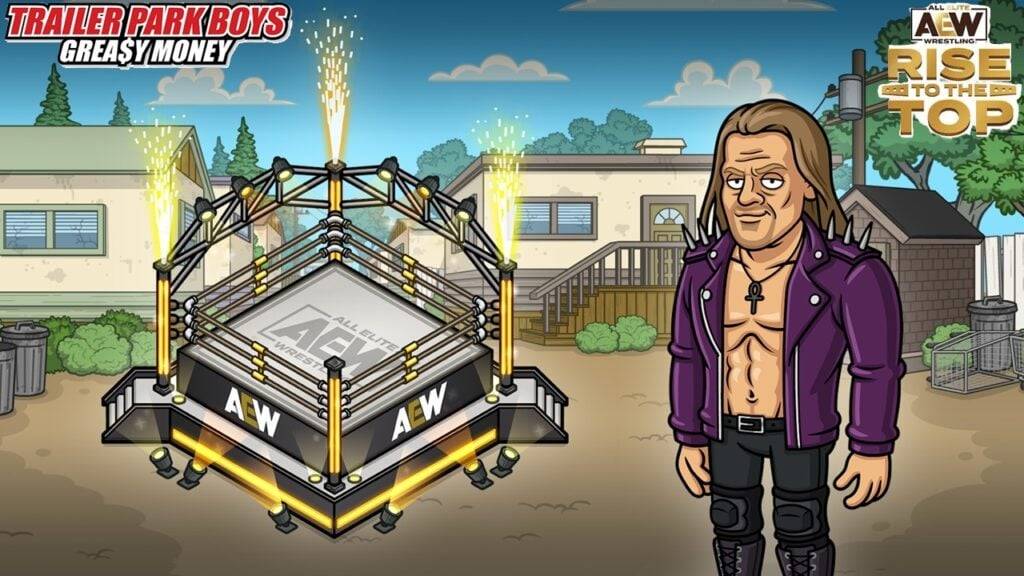 East Side Games Group is merging two wildly different universes in an exhilarating crossover. Trailer Park Boys: Greasy Money is joining forces with All Elite Wrestling: Rise to The Top. This special event begins on March 27th at 2:00 PM PT, deliveriAuthor : Sarah Mar 17,2026
 -
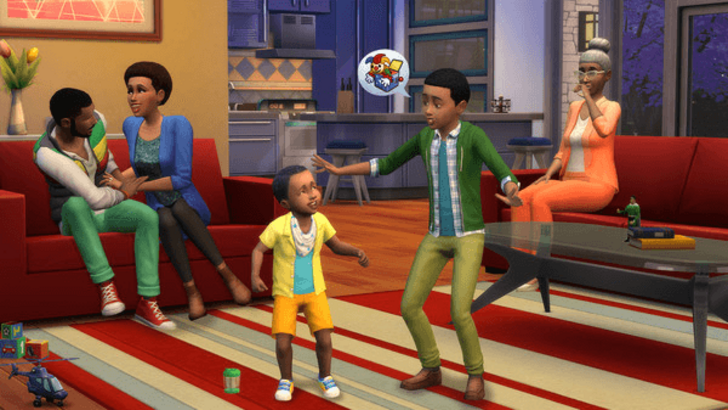 After years of speculation about The Sims 5, EA is charting a bold new course for the franchise. Instead of traditional numbered sequels, the company plans to expand "The Sims Universe" with ongoing updates across multiple titles.EA Plans on ExpandinAuthor : Samuel Mar 16,2026
-
 Airport Clash 3D - Minigun ShoDownload
 -
 A RecreativaDownload
 -
 com.crikey.dreamcarnival ModDownload
 -
 تحدي ام حقيقةDownload
 -
 Madden NFL 25 CompanionDownload
 -
 Survivor Z: Zombie SurvivalDownload
 -
 Dinosaur Hunting: Trex HunterDownload
 -
 Z書庫Download
 -
 Word Game. Crossword Search PuDownload
 -
 Buckshot Roulette: PvP DuelDownload










- Classic WoW vs. Turtle WoW: 6 Key Differences
- Ultimate Guide to Shinigami Progression in Hollow Era
- Roblox Simulator Codes: Unlock Exclusive Rewards!
- Mastering Two-Handed Weapons in Elden Ring: A Guide
- Wuthering Waves: Uncover the Secrets of Whisperwind Haven's Palette
- Top 25 Palworld Mods to Enhance Your Game