
Cinderella at 75: The Princess and Glass Slippers That Saved Disney
In 1947, The Walt Disney Company faced a daunting $4 million debt, a consequence of the financial setbacks suffered by *Pinocchio*, *Fantasia*, and *Bambi*. World War II and other factors had significantly impacted the studio's success. However, the release of *Cinderella* proved to be a pivotal moment, rescuing the company from potential ruin and securing its legacy.
As *Cinderella* celebrates its 75th anniversary, we explore the story's enduring resonance, a tale surprisingly mirroring Walt Disney's own journey. It offered not only hope to the company but also to a world yearning for inspiration and renewal.
The Right Film at the Right TimeDisney's 1937 triumph, *Snow White and the Seven Dwarfs*, enabled the construction of the Burbank studio and paved the way for ambitious future projects. However, *Pinocchio*, despite critical acclaim and Academy Awards, incurred a $1 million loss, exceeding its $2.6 million budget. *Fantasia* and *Bambi* further exacerbated the financial strain. World War II significantly hampered European markets, impacting the films' international performance.
“Disney's European markets dried up during the war, hindering releases like *Pinocchio* and *Bambi*,” explains Eric Goldberg, co-director of *Pocahontas* and lead animator on *Aladdin’s* Genie. “The studio was subsequently involved in creating training and propaganda films for the military. Throughout the 1940s, they produced 'Package Films'—collections of shorter cartoons compiled into feature-length presentations. While these were successful, they didn't offer the narrative depth of full-length animated features.”
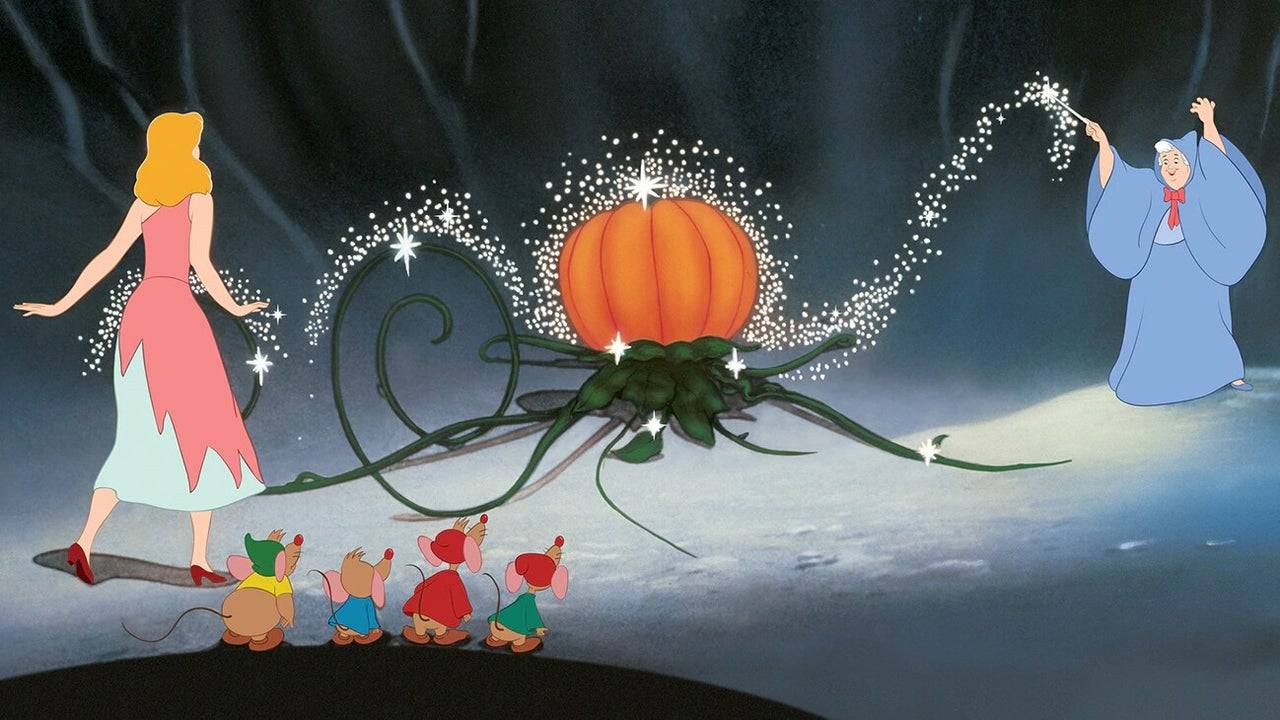
These Package Films, including *Saludos Amigos* and *The Three Caballeros* (part of the U.S. Good Neighbor Policy), helped alleviate debt, but ultimately diverted the studio from creating true feature-length animation. Walt Disney's frustration is evident in his 1956 statement: “I wanted to get back into the feature field…But it was a matter of investment and time…we’re going to either go forward…or I say let’s liquidate or let’s sell out.”
Faced with the prospect of selling his shares, Walt and his brother Roy opted for a high-stakes gamble, investing in *Cinderella*, the studio's first major animated feature since 1942's *Bambi*. Failure could have meant the end of Disney's animation studio.
“Walt was adept at reflecting the times, recognizing America's post-war need for hope and joy,” notes Tori Cranner, Art Collections Manager at the Walt Disney Animation Research Library. “*Cinderella* was the right choice for that moment.”
Cinderella and Disney’s Rags to Riches Tale
Walt's connection to *Cinderella* extended back to 1922, when he created a short film at Laugh-O-Gram Studios. The story, adapted from Charles Perrault's 1697 version, resonated with Walt's own experiences. While Laugh-O-Gram ultimately failed, the Cinderella story's themes of dreams and perseverance resonated deeply with him.
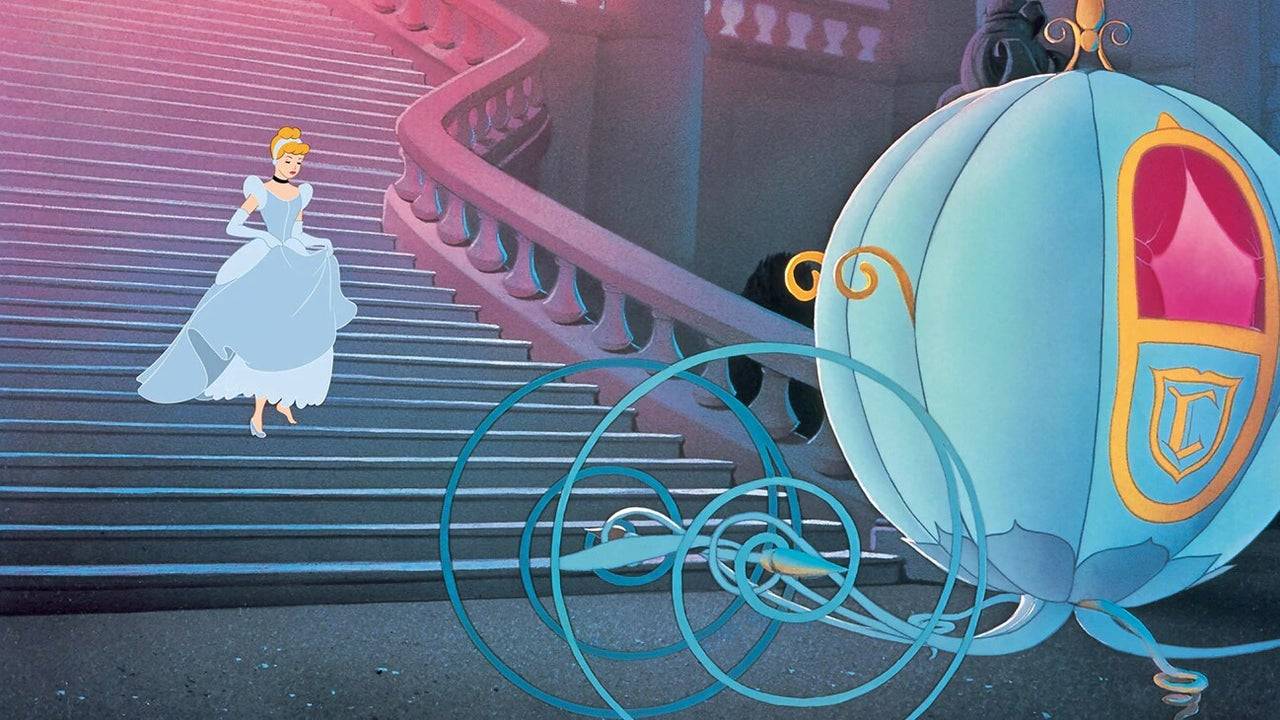
“Snow White was a kind girl who believed in wishing,” Walt Disney explained. “Cinderella believed in dreams and *doing* something about them.” Cinderella's strength and determination mirrored Walt's own entrepreneurial spirit, overcoming adversity to achieve his goals.
The project, initially conceived as a Silly Symphony short in 1933, evolved into a feature film by 1938. The war and other factors delayed its release until 1950, but this period allowed for refinement and development.
Disney's unique adaptation modernized the classic fairytale, making it universally appealing. “Disney infused his own taste, heart, and passion, creating characters and stories that resonated even more deeply than the originals,” Goldberg explains. “He made these stories universally palatable.”
The addition of animal companions, the endearingly bumbling Fairy Godmother, and the iconic transformation scene contributed significantly to the film's success. The meticulous animation, particularly the dress transformation, remains a testament to the artistry of Disney legends Marc Davis and George Rowley.
Thanks so much for all your questions about Cinderella! Before we sign off, enjoy this pencil test footage of original animation drawings of the transformation scene, animated by Marc Davis and George Rowley. Thanks for joining us! #AskDisneyAnimation pic.twitter.com/2LquCBHX6F
— Disney Animation (@DisneyAnimation) February 15, 2020
“Every sparkle was hand-drawn and hand-painted,” Cranner marvels. “The moment where the stardust holds before the transformation is magical.” The broken glass slipper, a Disney addition, reinforces Cinderella's agency and strength.
Released on March 4, 1950, *Cinderella* was an immediate success, earning $7 million against a $2.2 million budget. Its critical acclaim and box office triumph marked Disney's return to form, paving the way for future classics.
“Critics hailed it as Disney's return to narrative features,” Goldberg notes. “The studio regained its momentum, leading to *Peter Pan*, *Lady and the Tramp*, and many more.”
75 Years Later, Cinderella’s Magic Lives On
Cinderella's enduring influence is visible throughout Disney's legacy, from the iconic castles to the magical transformations in modern films like *Frozen*. “Elsa's dress transformation in *Frozen* has a direct connection to *Cinderella*, particularly in the sparkles and effects,” explains Becky Bresee, lead animator on *Frozen 2* and *Wish*. “We honor the impact of *Cinderella* and earlier films.”
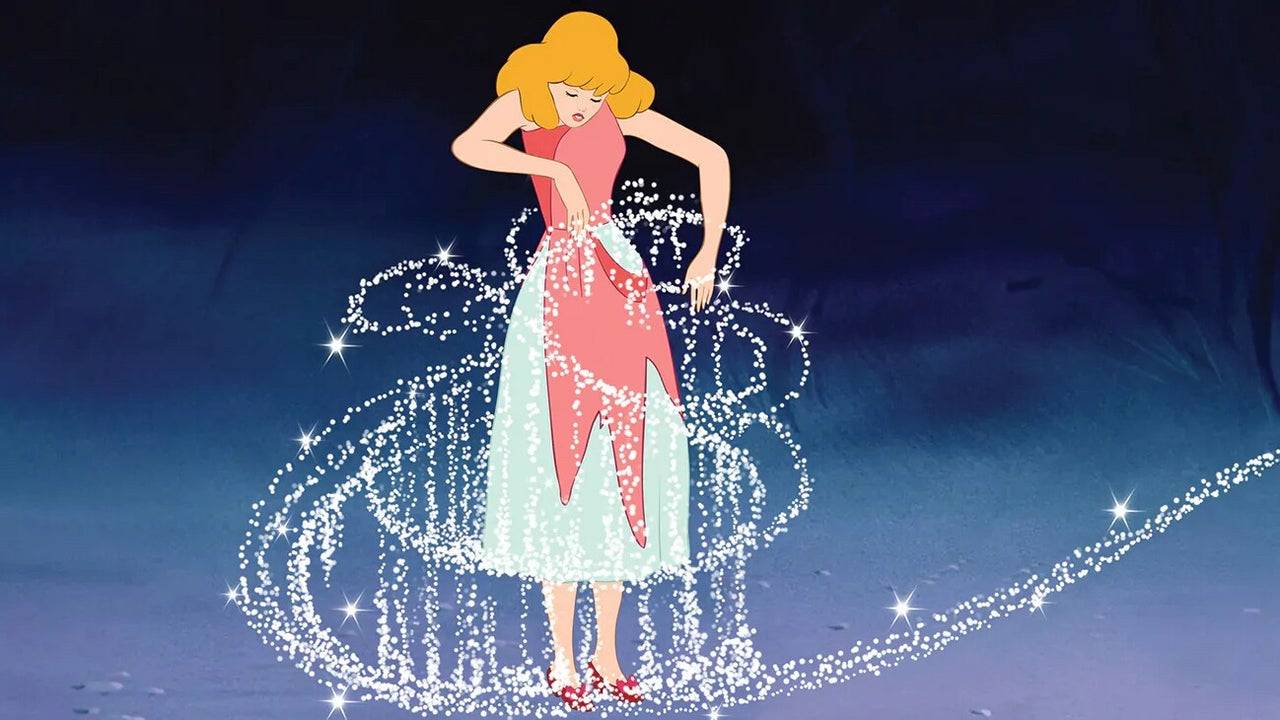
The film’s enduring appeal lies in its message of hope and perseverance. “*Cinderella* gives people hope that things will work out with perseverance and strength,” concludes Goldberg. “It shows that hope can be realized, and dreams can come true.”
-
 ATHENA: Blood Twins masterfully blends high-speed combat with a rich narrative, featuring fluid hack-and-slash mechanics, customizable skill trees, and an intricate weapon mastery system. Adventurers will journey through haunting gothic landscapes—raAuthor : Ava Mar 13,2026
 -
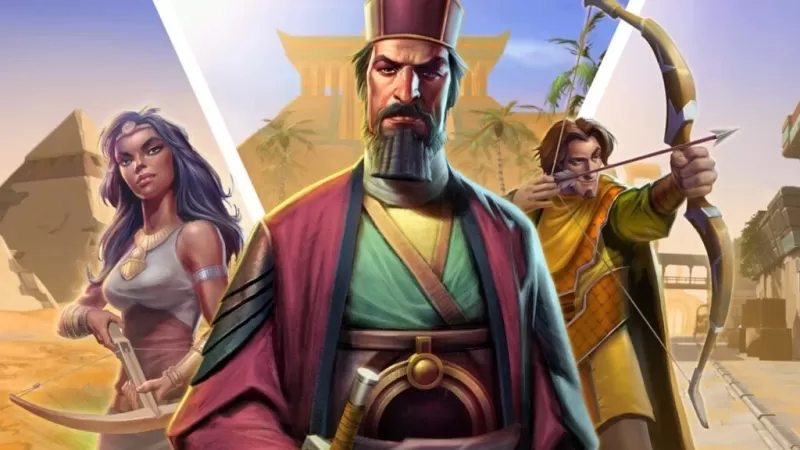 RuneScape's April Developer Diary has arrived, detailing the latest update: "Return to the Desert: Pharaoh's Folly." This brand-new quest launches today and will be available until April 28th. Your mission is to survive the treacherous Shifting TombsAuthor : Andrew Mar 12,2026
-
 4 Pics Association Word PuzzleDownload
 -
 Win68Download
 -
 Kitty LetterDownload
 -
 SwingShotDownload
 -
 The Seven Realms 3Download
 -
 Curse of the Night Stalker - Chapter 3 releaseDownload
 -
 My Home Design: My House GamesDownload
 -
 100+ RiddlesDownload
 -
 Elite PokerDownload
 -
 Sinful Summer: A Tale of ForbiddenDownload








- HoYo Fest 2025: Fresh Updates on Comeback
- Mastering Two-Handed Weapons in Elden Ring: A Guide
- Ultimate Guide to Shinigami Progression in Hollow Era
- Roblox Simulator Codes: Unlock Exclusive Rewards!
- Wuthering Waves: Uncover the Secrets of Whisperwind Haven's Palette
- Top 25 Palworld Mods to Enhance Your Game