
\"Angry Kirby\" Explained by Former Nintendo Employees

Former Nintendo employees shed light on the evolution of Kirby's image, explaining the differences between his U.S. and original Japanese portrayals. This article delves into the reasons behind Kirby's marketing shift towards Western audiences and Nintendo's evolving global localization approach.
"Angry Kirby": A Marketing Strategy for Broader Appeal
Rebranding Kirby for Western Markets
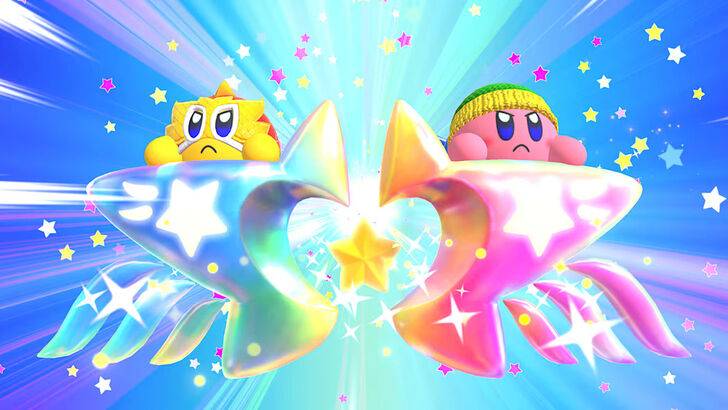
Kirby's transformation into a "tougher" character on Western game covers and artwork—a phenomenon fans dubbed "Angry Kirby"—was a deliberate marketing strategy. In a January 16, 2025, interview with Polygon, former Nintendo Localization Director Leslie Swan revealed that the goal wasn't to make Kirby angry, but to project determination. Swan explained that while cute characters resonate broadly in Japan, American tween and teen boys, in particular, were perceived to be more drawn to characters with a tougher image.
Kirby: Triple Deluxe Director Shinya Kumazaki corroborated this in a 2014 GameSpot interview. He noted that while cute Kirby appeals most to Japanese players, a "strong, tough Kirby" resonated more in the U.S. market. However, he also highlighted that this varied by title, citing Kirby Super Star Ultra's consistent, tougher portrayal across both U.S. and Japanese box art. Kumazaki emphasized that while Kirby's gameplay showcased a serious side, his inherent cuteness remained the biggest draw in Japan.
Marketing Kirby as "Super Tuff Pink Puff"
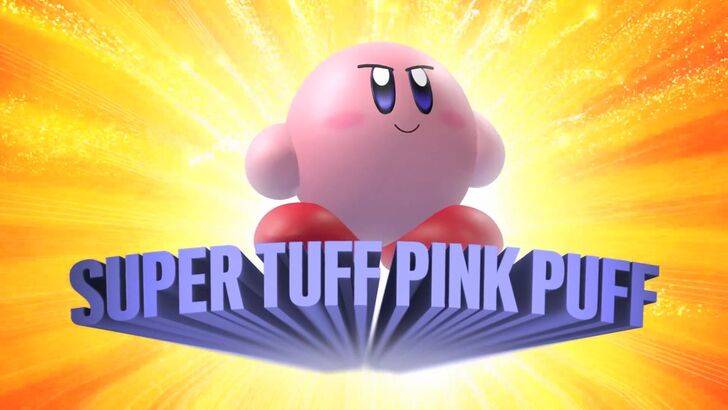
Nintendo's marketing aimed to broaden Kirby's appeal, particularly to boys. This led to the memorable "Super Tuff Pink Puff" campaign for Kirby Super Star Ultra on the Nintendo DS in 2008. Former Nintendo of America Public Relations Manager Krysta Yang explained that this reflected a broader effort within Nintendo to shed its "kiddie" image during her tenure. Yang stated that a "kiddie" label was detrimental to sales, and that there was a conscious effort to enhance the perceived "cool factor" of Nintendo games.
This marketing push emphasized Kirby's combat abilities, aiming to position him as more than just a character for young children. In recent years, promotional materials for games like Kirby and the Forgotten Land (2022) have focused less on personality and more on gameplay and abilities. While acknowledging a continued effort to create a more well-rounded Kirby, Yang admitted that the "cute" perception still largely prevails.
U.S. Localization of Kirby: A Case Study
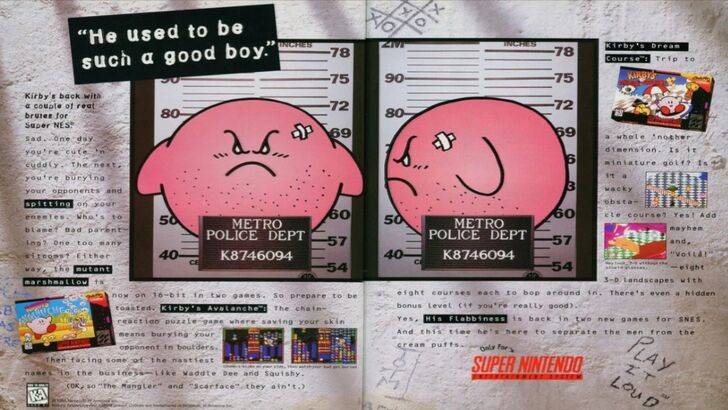
The divergence in Kirby's localization between Japan and the U.S. began early, notably with a 1995 "Play It Loud" advertisement featuring Kirby in a mugshot. Over time, Kirby's facial expressions on game box art evolved, with titles like Kirby: Nightmare in Dream Land (2002), Kirby Air Ride (2003), and Kirby: Squeak Squad (2006) showcasing a more intense, sharper look.
However, changes extended beyond facial expressions. The original Game Boy release of Kirby's Dreamland (1992) featured a ghostly-white Kirby in its U.S. version, unlike the pink original. The Game Boy's monochrome display meant U.S. players only saw Kirby's true pink hue with the NES release of Kirby's Adventure (1993). Swan noted this as a significant challenge, arguing that a "puffy pink character" wouldn't appeal to the target demographic. This ultimately led to the consistent adjustment of Kirby's image in U.S. artwork. In recent years, however, global marketing has seen a more consistent portrayal of Kirby, alternating between serious and gleeful expressions.
Nintendo's Evolving Global Approach
Both Swan and Yang agree that Nintendo has adopted a more globalized strategy. Closer collaboration between Nintendo of America and its Japanese counterpart has resulted in more consistent marketing and localization. The company is actively moving away from regional variations like those seen in Kirby's box art, avoiding past situations like the 1995 "Play It Loud" advertisement.
Yang highlighted both the advantages and disadvantages of this global approach. While it ensures brand consistency, it risks overlooking regional nuances, potentially leading to "bland, safe marketing." Game localizers attribute this trend partly to the industry's globalization and the increasing exposure of Western audiences to Japanese culture, blurring the lines between regional preferences.
-
A new offline mode for Ubisoft’s The Crew 2 is available now, allowing owners to play the racing MMO without an internet connection if desired. The functionality—dubbed Hybrid Mode—has been fully detailed on the publisher’s website. According to UbisAuthor : Michael Mar 15,2026
-
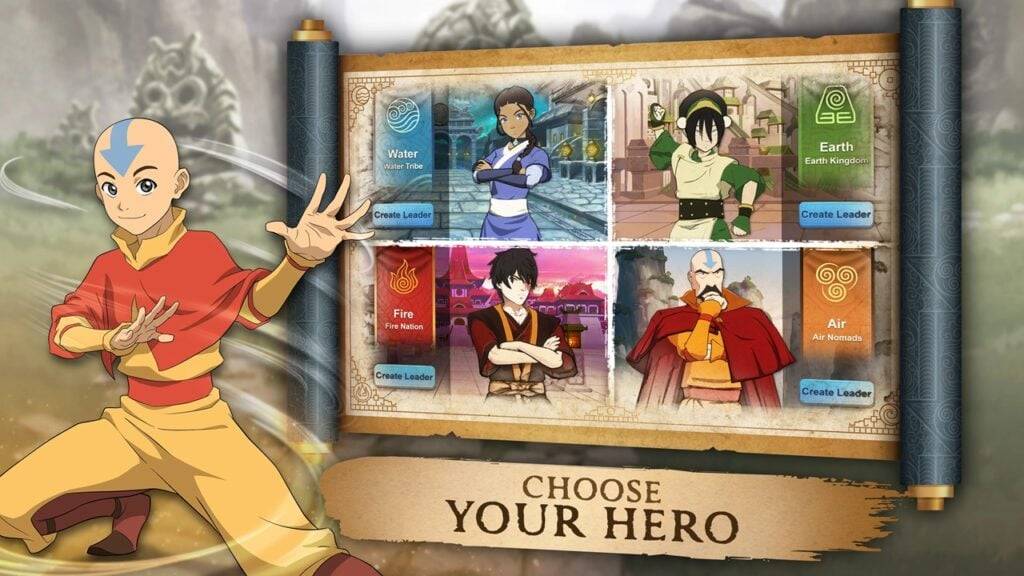 Avatar Legends: Realms Collide has officially launched on Android, offering a new 4X strategy experience within Nickelodeon's beloved Avatar universe. Developed by AN Games and published by Tilting Point, this title immerses you in a world of elementAuthor : Scarlett Mar 14,2026
-
 Word Game. Crossword Search PuDownload
 -
 Buckshot Roulette: PvP DuelDownload
 -
 4 Pics Association Word PuzzleDownload
 -
 Win68Download
 -
 Kitty LetterDownload
 -
 SwingShotDownload
 -
 The Seven Realms 3Download
 -
 Curse of the Night Stalker - Chapter 3 releaseDownload
 -
 My Home Design: My House GamesDownload
 -
 100+ RiddlesDownload








- Classic WoW vs. Turtle WoW: 6 Key Differences
- Ultimate Guide to Shinigami Progression in Hollow Era
- Roblox Simulator Codes: Unlock Exclusive Rewards!
- Mastering Two-Handed Weapons in Elden Ring: A Guide
- Wuthering Waves: Uncover the Secrets of Whisperwind Haven's Palette
- Top 25 Palworld Mods to Enhance Your Game