
The Lost Gems of The Sims 1 and 2: Forgotten Features We Want Back
The early *Sims* games, crafted by the visionary Will Wright, were brimming with charming details, immersive mechanics, and quirky surprises that later iterations sadly lacked. From deeply personal memory systems to uniquely interactive NPCs, these now-forgotten features were key to the original games' magic. As the series progressed, many of these beloved elements faded into obscurity. This article takes a nostalgic trip back to the forgotten gems of the first two *Sims* games – features that fans still fondly remember and long to see return.
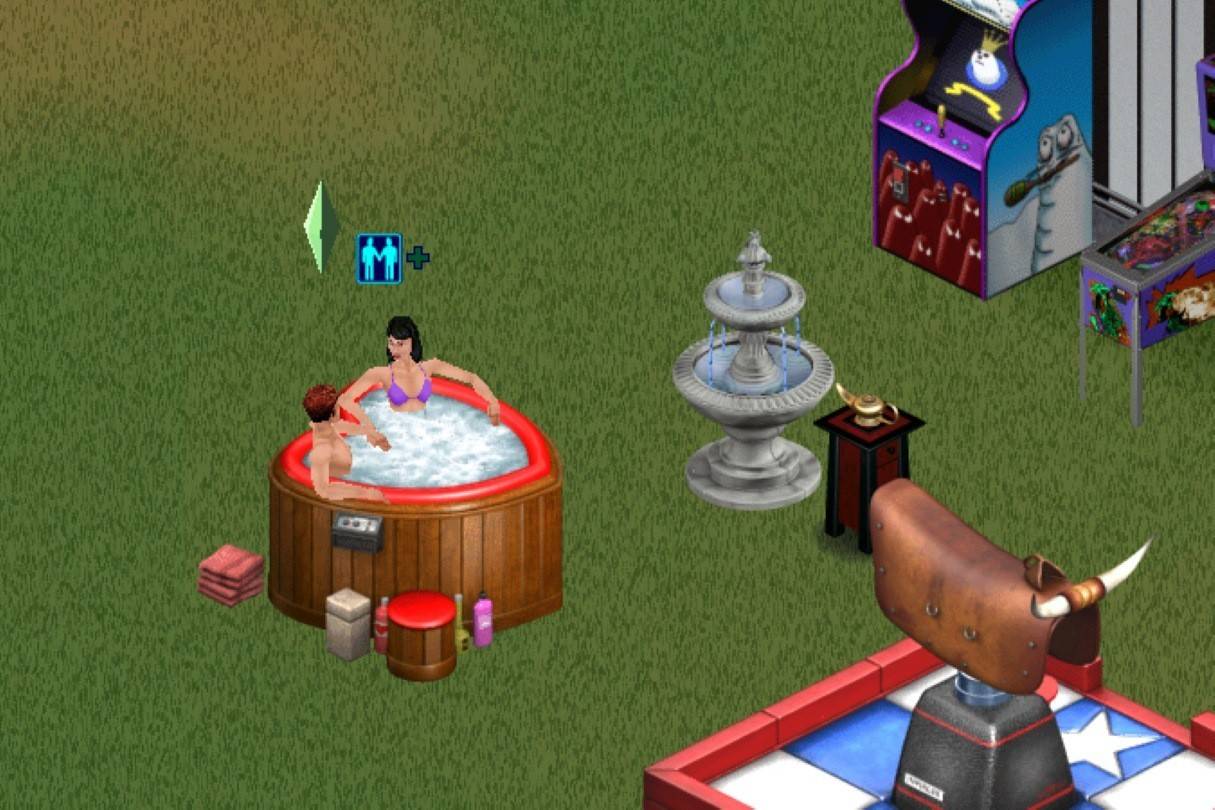 Image: ensigame.com
Table of Contents
The Sims 1
Authentic Plant Care
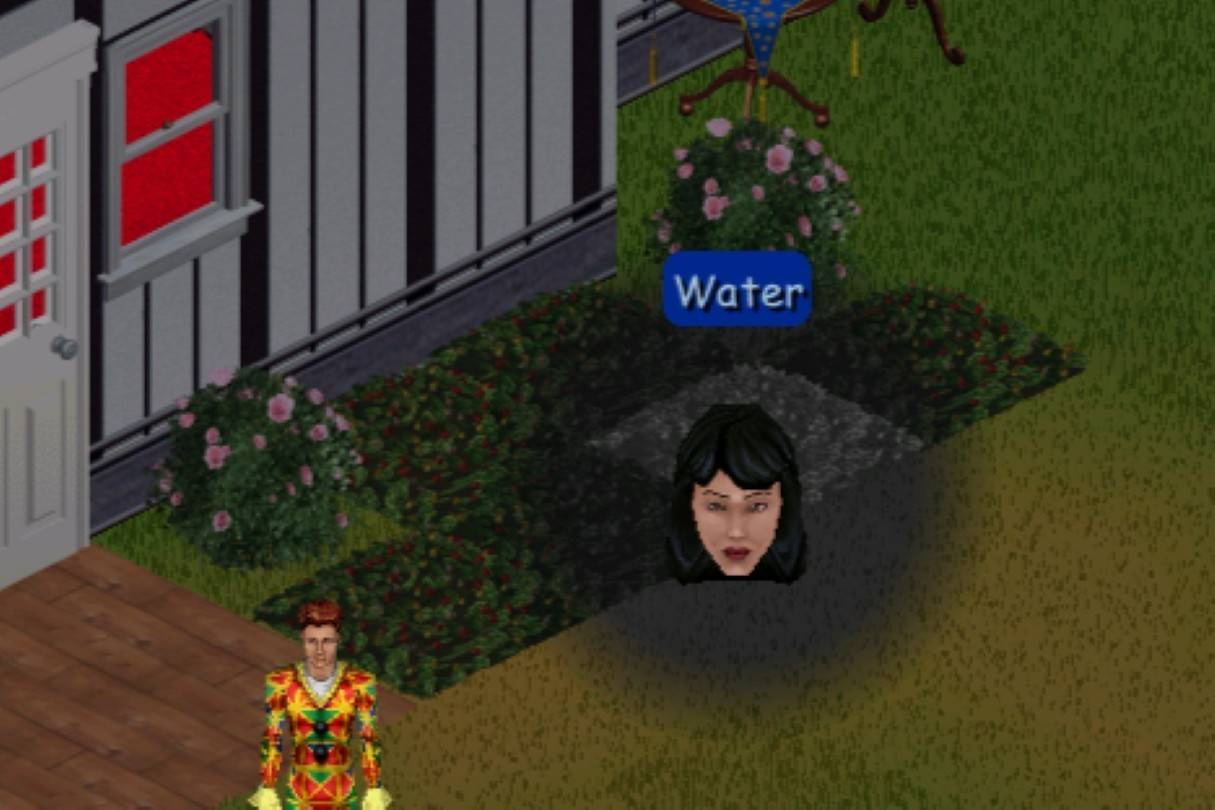 Image: ensigame.com
In the original Sims, certain indoor plants demanded regular watering to thrive. Neglecting them led to wilting, impacting not only the home's aesthetics but also subtly lowering the Sim's "Room" need, subtly encouraging players to maintain their Sims' living spaces.
Can’t Pay, Can’t Eat!
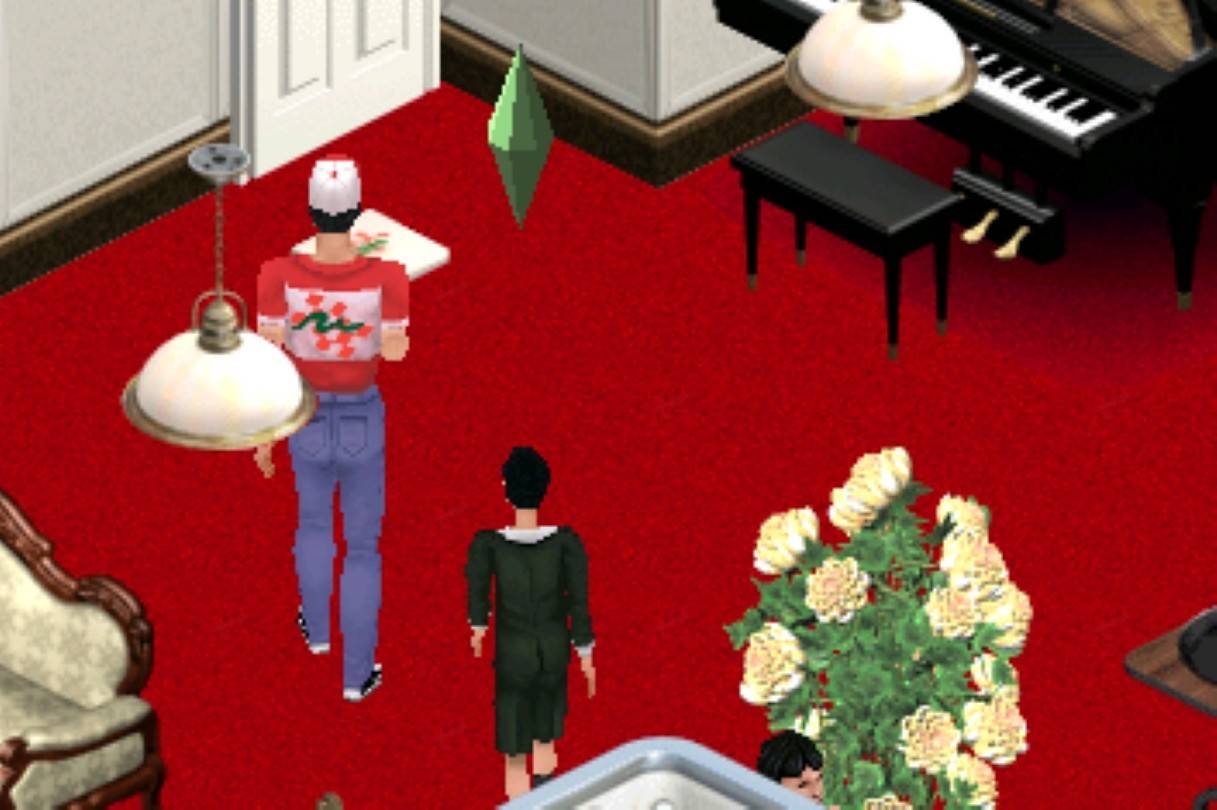 Image: ensigame.com
Freddy, the pizza delivery guy, reacted realistically to unpaid orders. Instead of simply leaving, he'd dramatically reclaim the pizza and depart, adding a touch of quirky realism.
A Genie’s Unexpected Gift
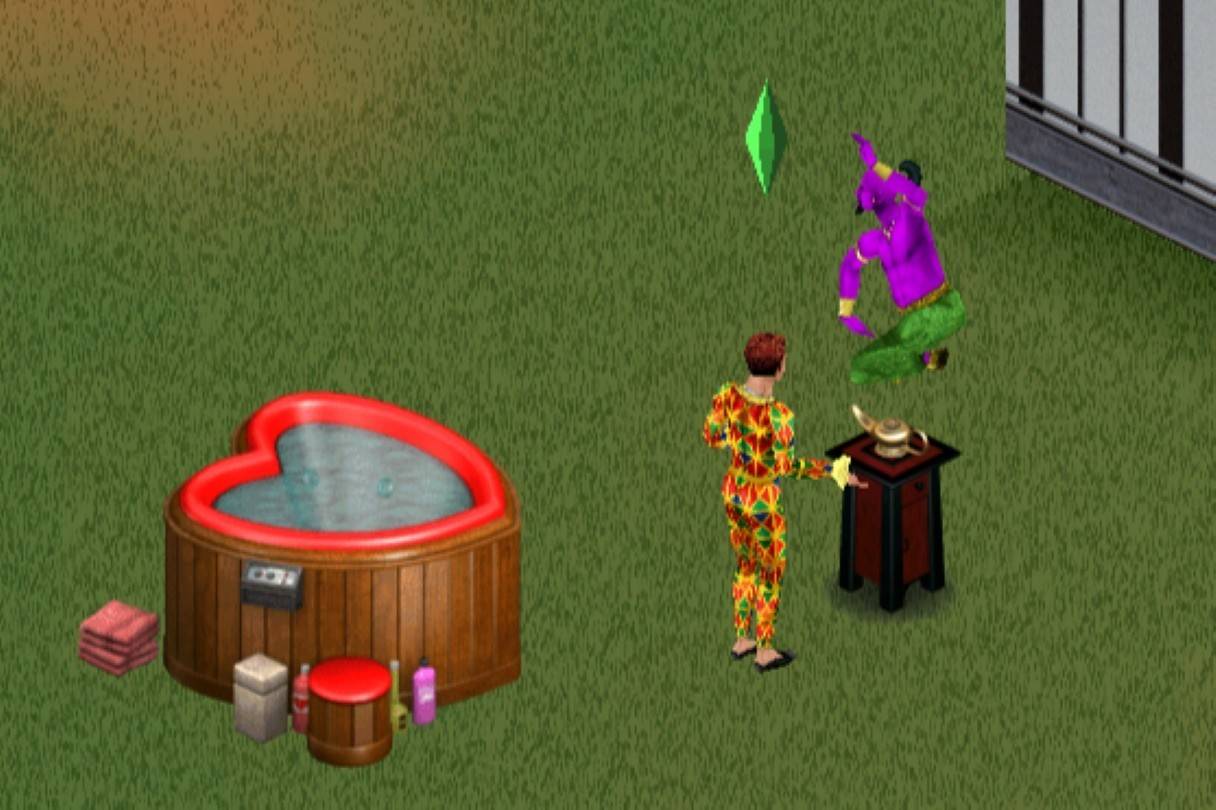 Image: ensigame.com
The genie lamp, a magical game item, granted wishes once daily, with lasting effects. One surprising outcome of the "water" wish was a rare chance of receiving a luxurious hot tub – a delightful surprise, especially during self-imposed challenges.
The School of Hard Knocks
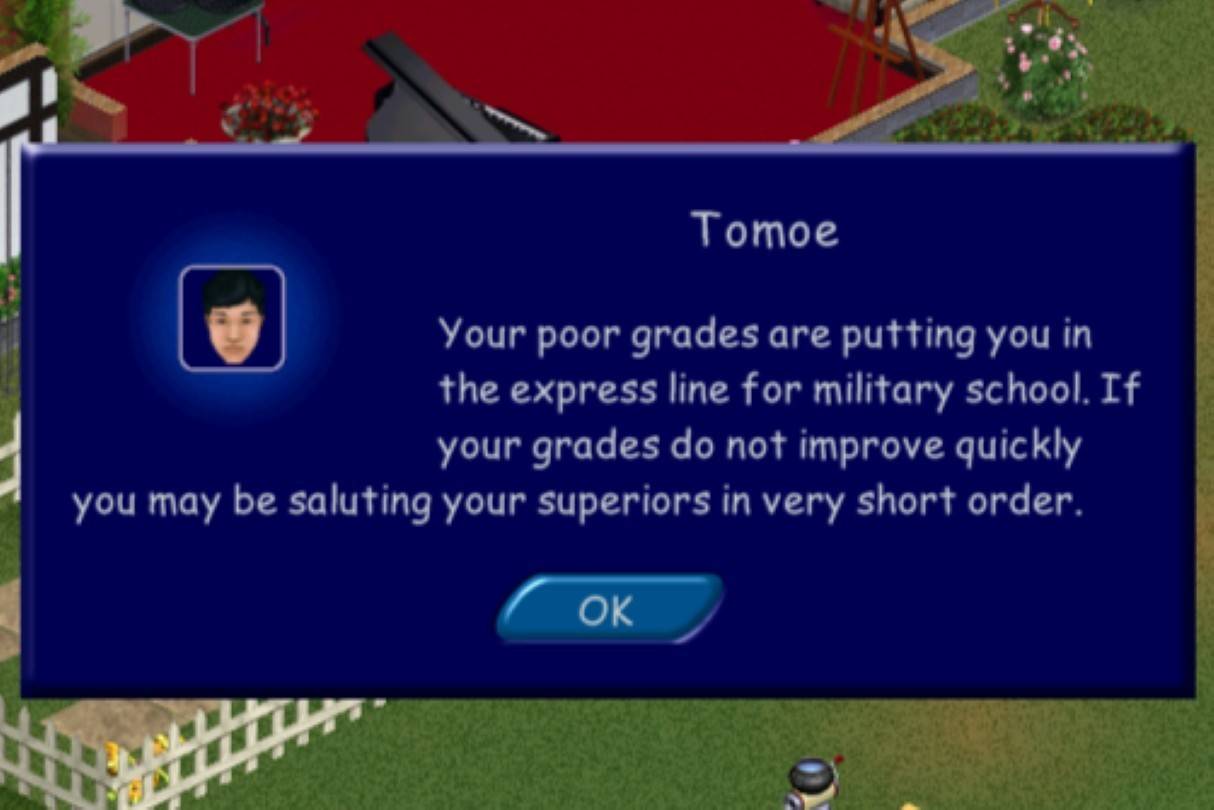
Academic performance held significant weight. Excellent grades earned Sims monetary gifts from grandparents, while poor grades resulted in the harsh punishment of military school, removing the Sim from the household permanently.
Realistic WooHoo
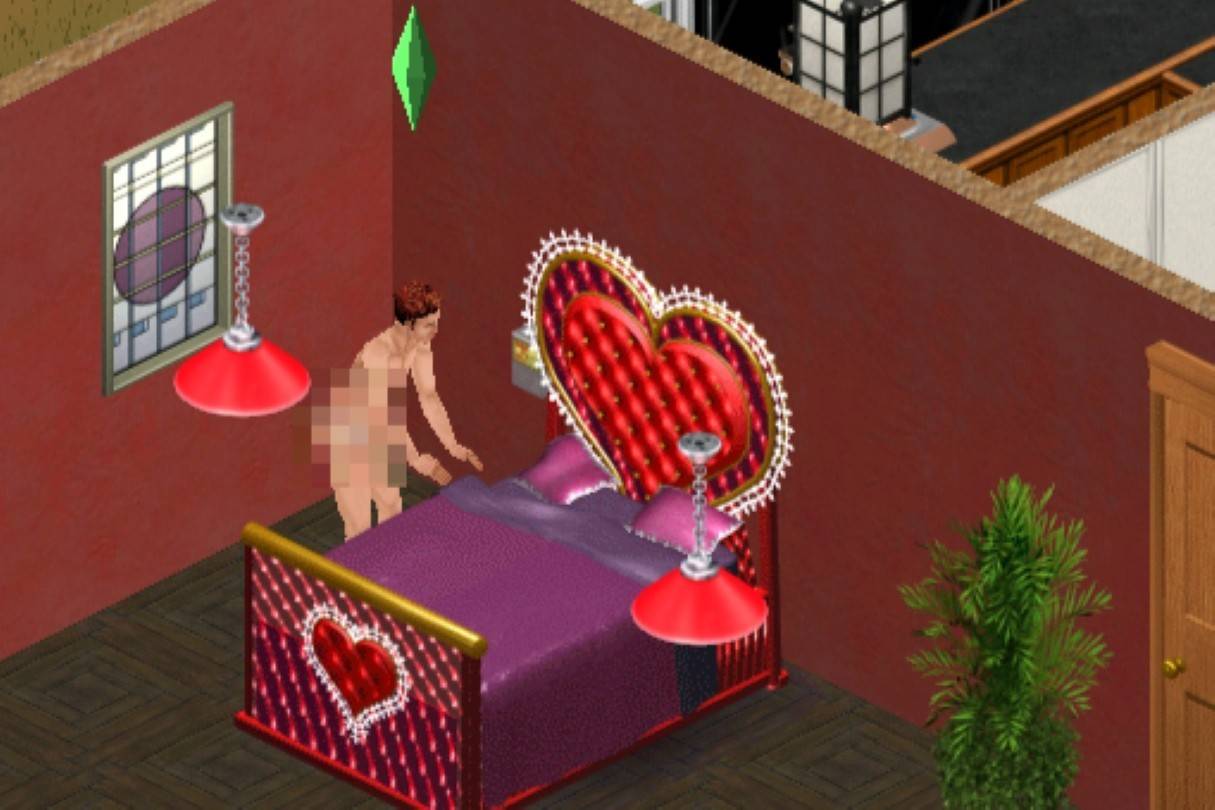 Image: ensigame.com
The "WooHoo" interaction featured a level of realism unusual for its time. Sims undressed before engaging, and their post-interaction reactions varied widely – from tears to laughter, adding depth to the experience.
Fine Dining
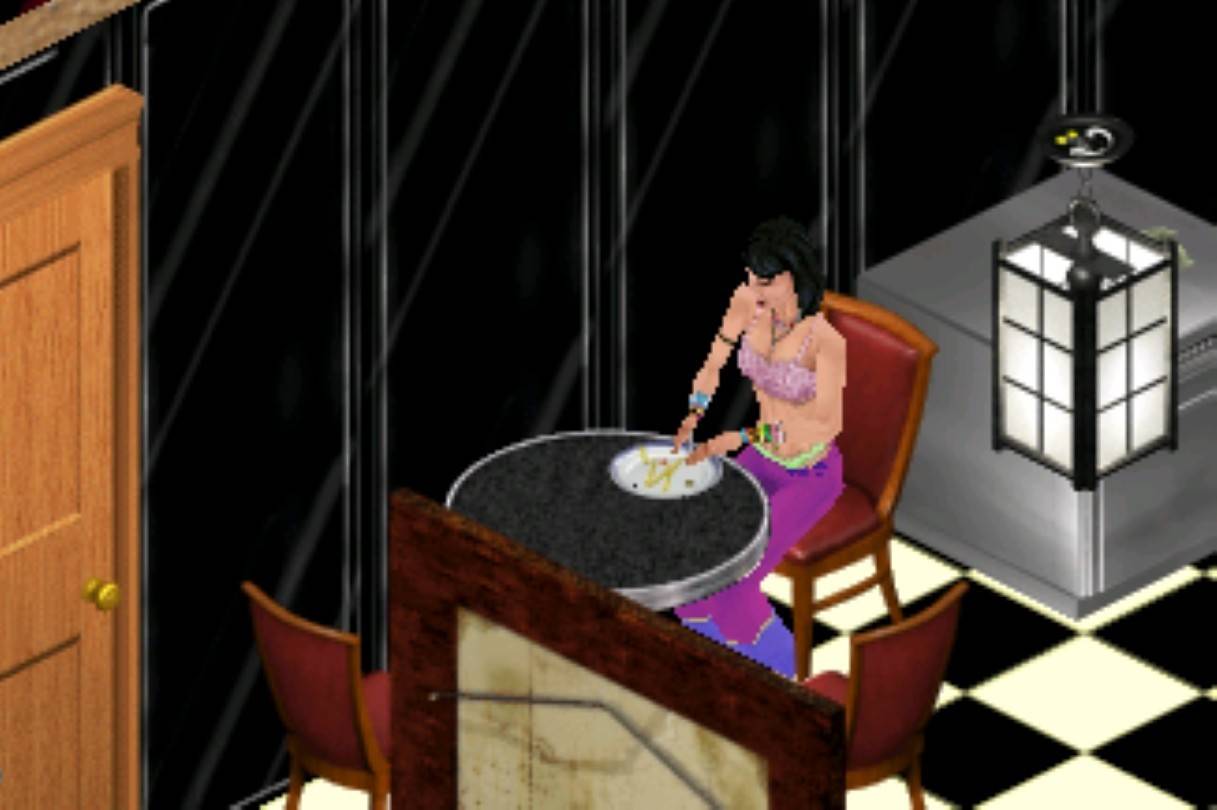 Image: ensigame.com
Sims used both knife and fork while eating, a detail lost in later, simplified animations. This added a touch of sophistication appreciated by players.
Thrills and Spills
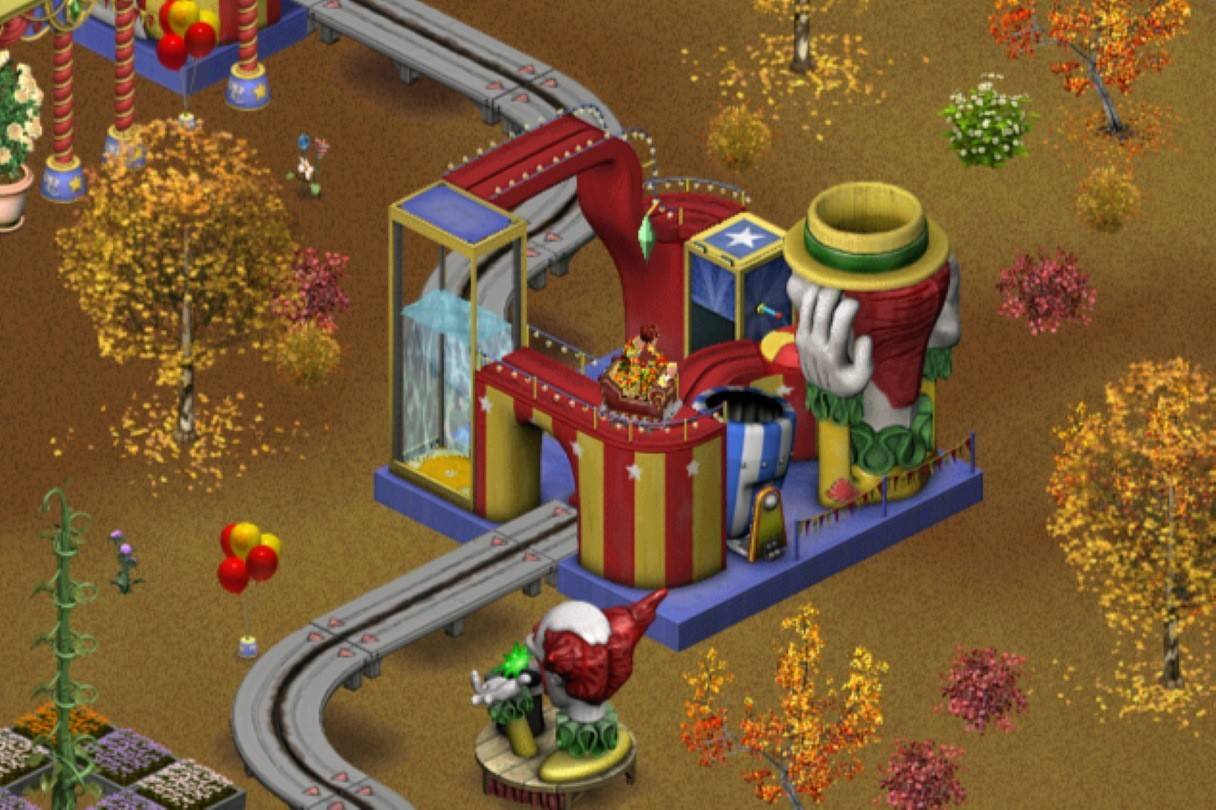 Image: ensigame.com
The Sims: Makin’ Magic introduced roller coasters in Clowntastic Land and Vernon's Vault. Players could also build their own, adding excitement to any lot.
The Price of Fame
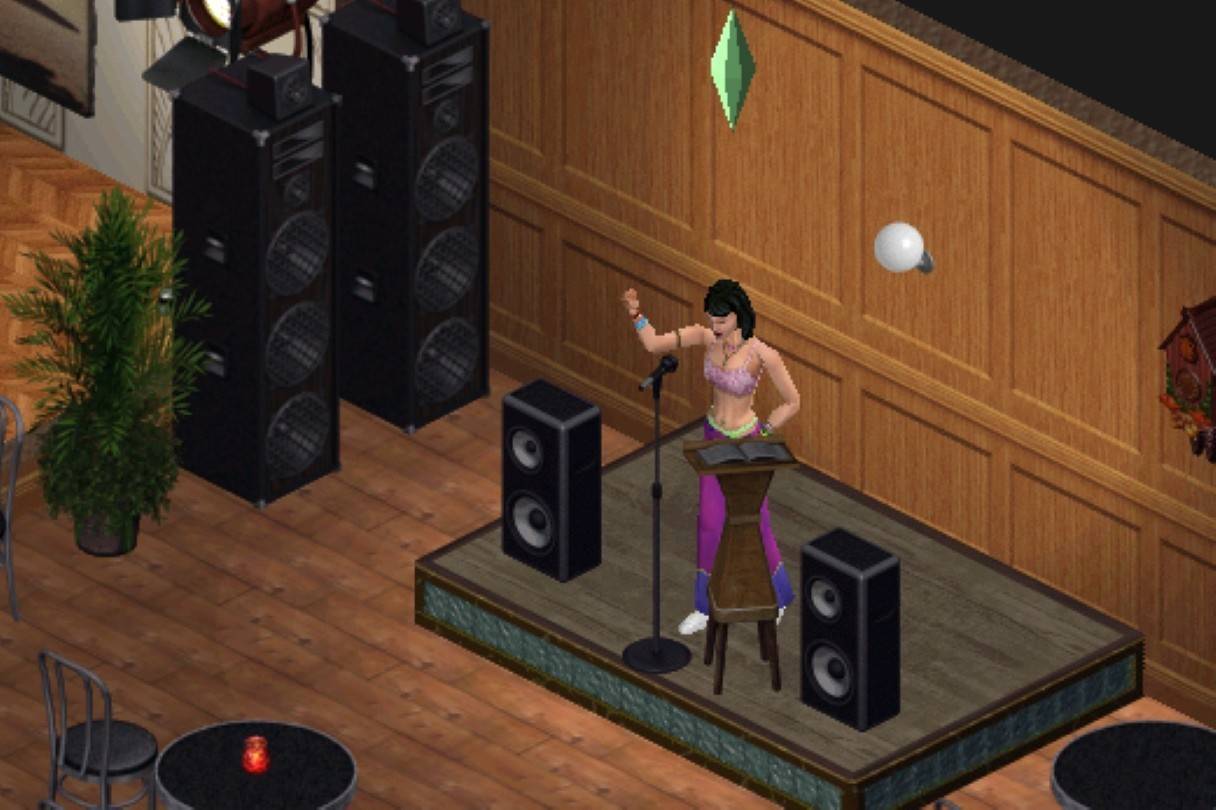 Image: ensigame.com
The Sims: Superstar offered a dynamic fame system. Sims joined the SimCity Talent Agency, and their five-star ranking fluctuated based on performance, showcasing the fickle nature of fame.
Spellcasting in Makin’ Magic
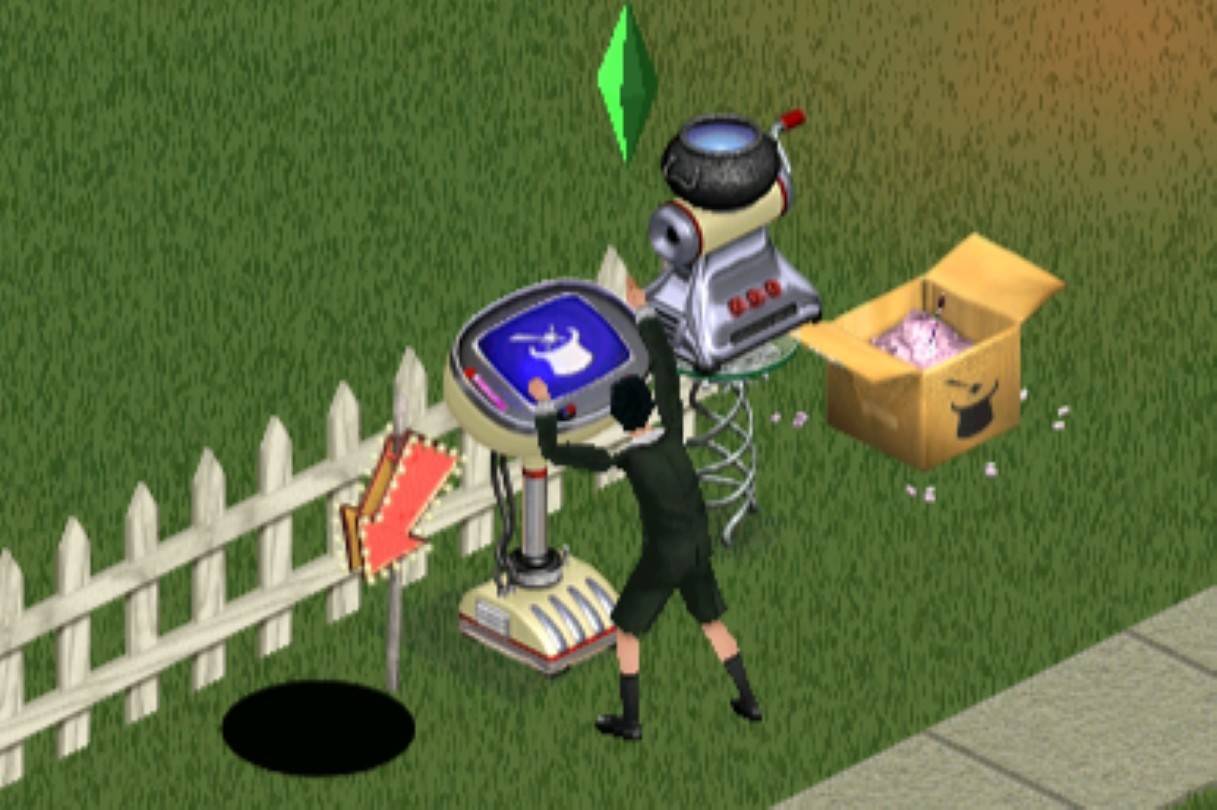 Image: ensigame.com
The Sims: Makin’ Magic featured a detailed spellcasting system using ingredient combinations, documented in The Start Here Spellbook, even allowing children to cast spells.
Singing Under the Stars
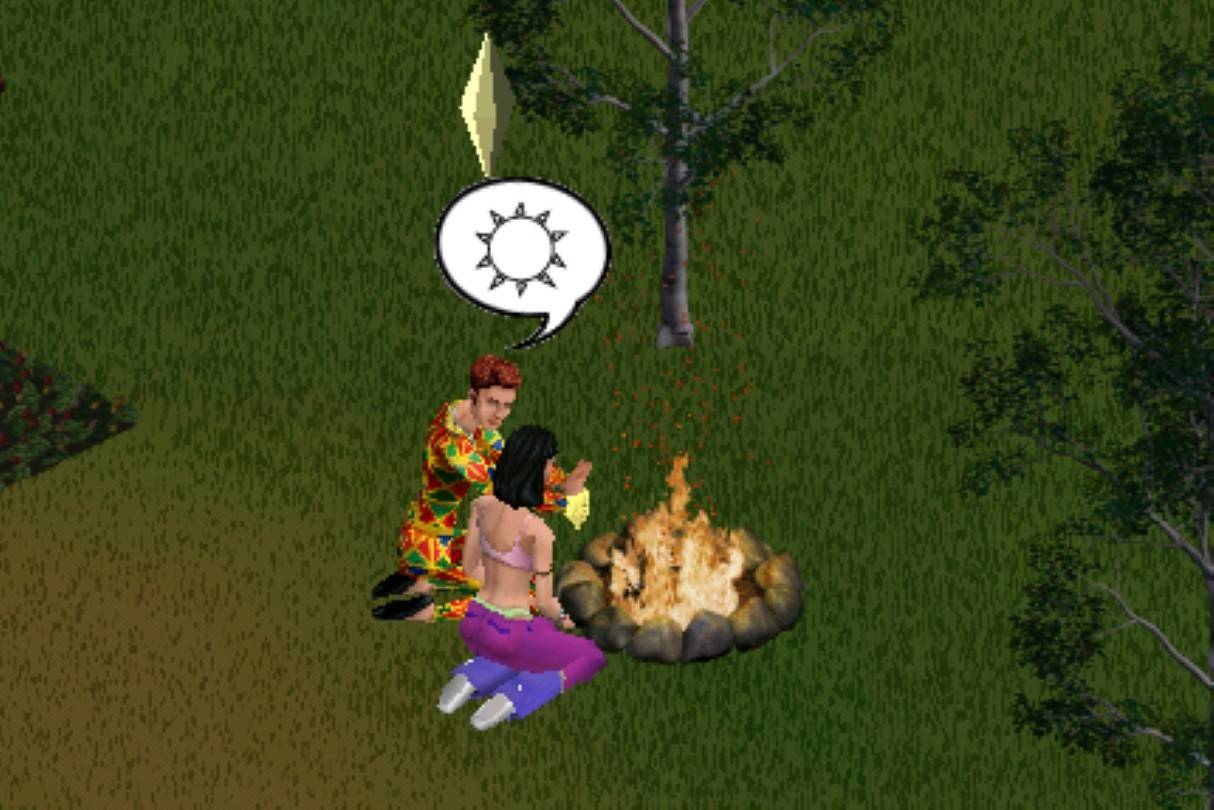 Image: ensigame.com
Sims could enjoy campfire singalongs with three different folk songs, adding a charming social element to the game.
The Sims 2
Running a Business
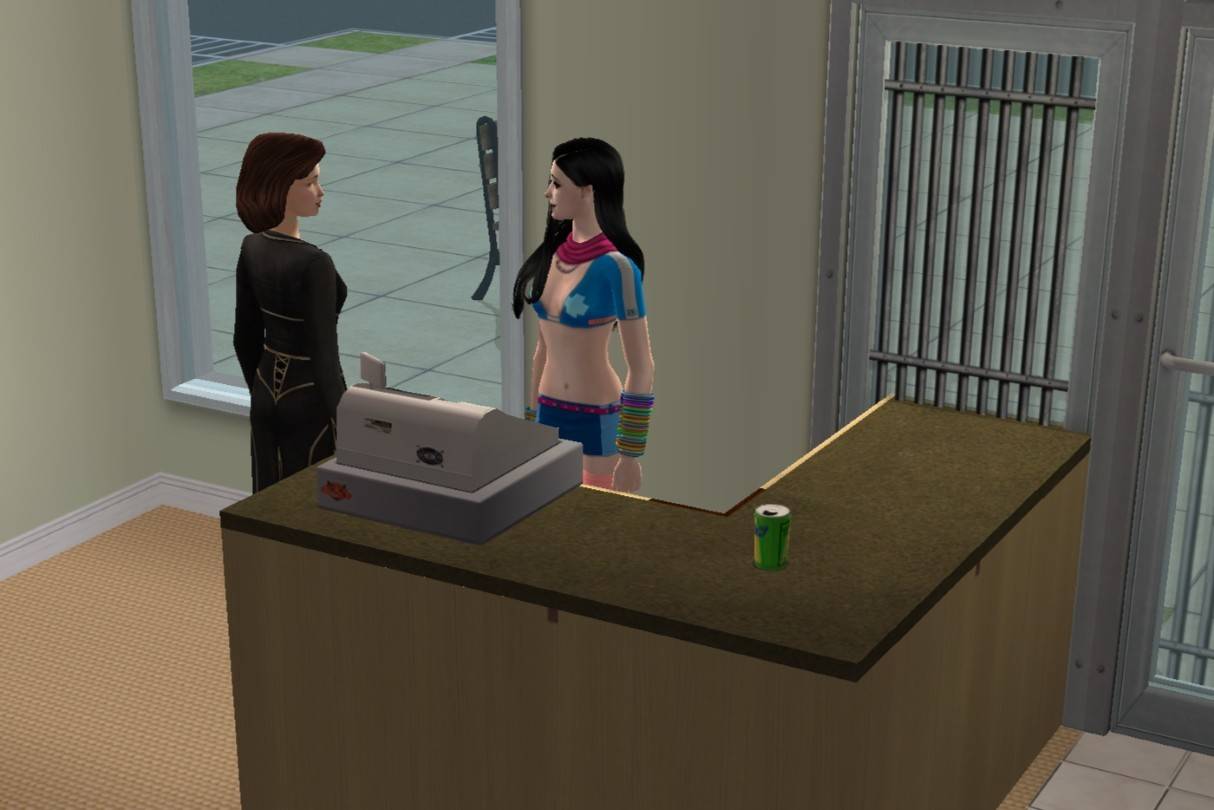 Image: ensigame.com
The Sims 2 allowed Sims to become entrepreneurs, opening businesses from home or dedicated venues, hiring employees, and managing their ventures.
Higher Education, Higher Rewards
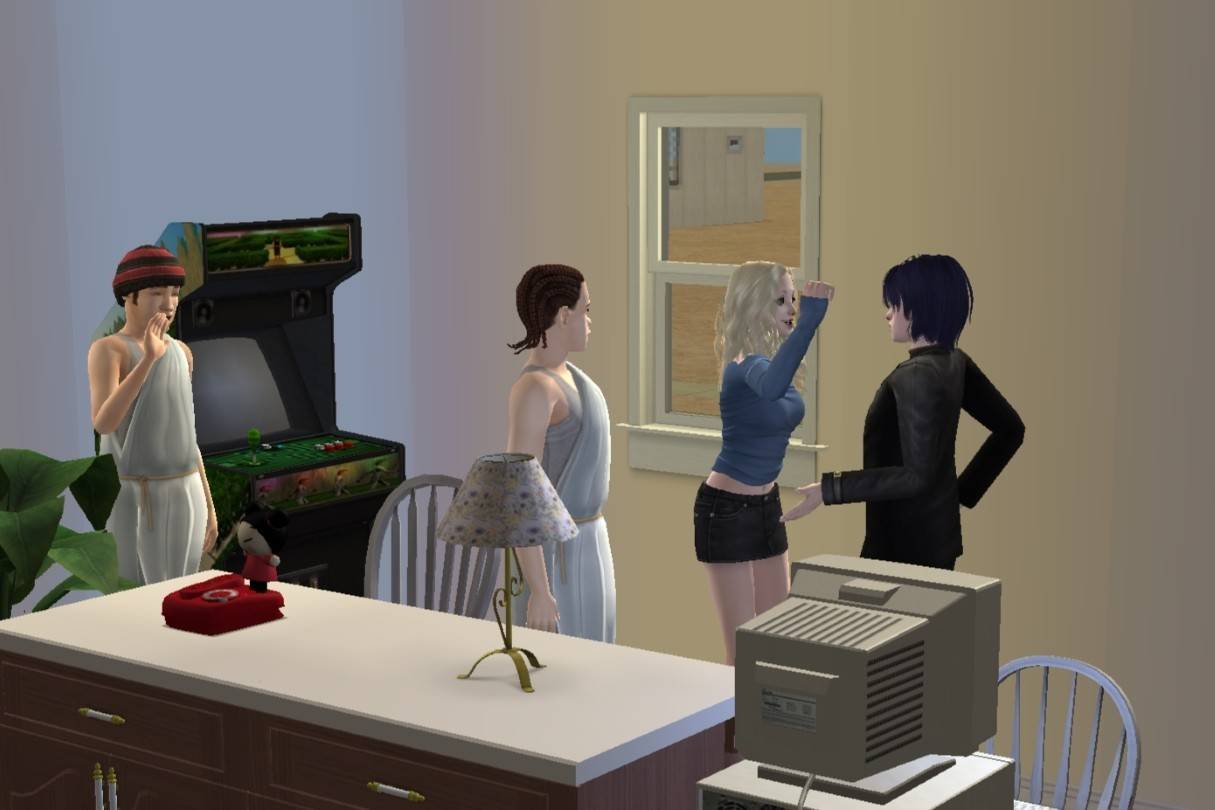 Image: ensigame.com
The Sims 2: University let teens attend college, live in dorms or private residences, choose majors, and balance academics with social life, unlocking advanced career opportunities upon graduation.
Nightlife
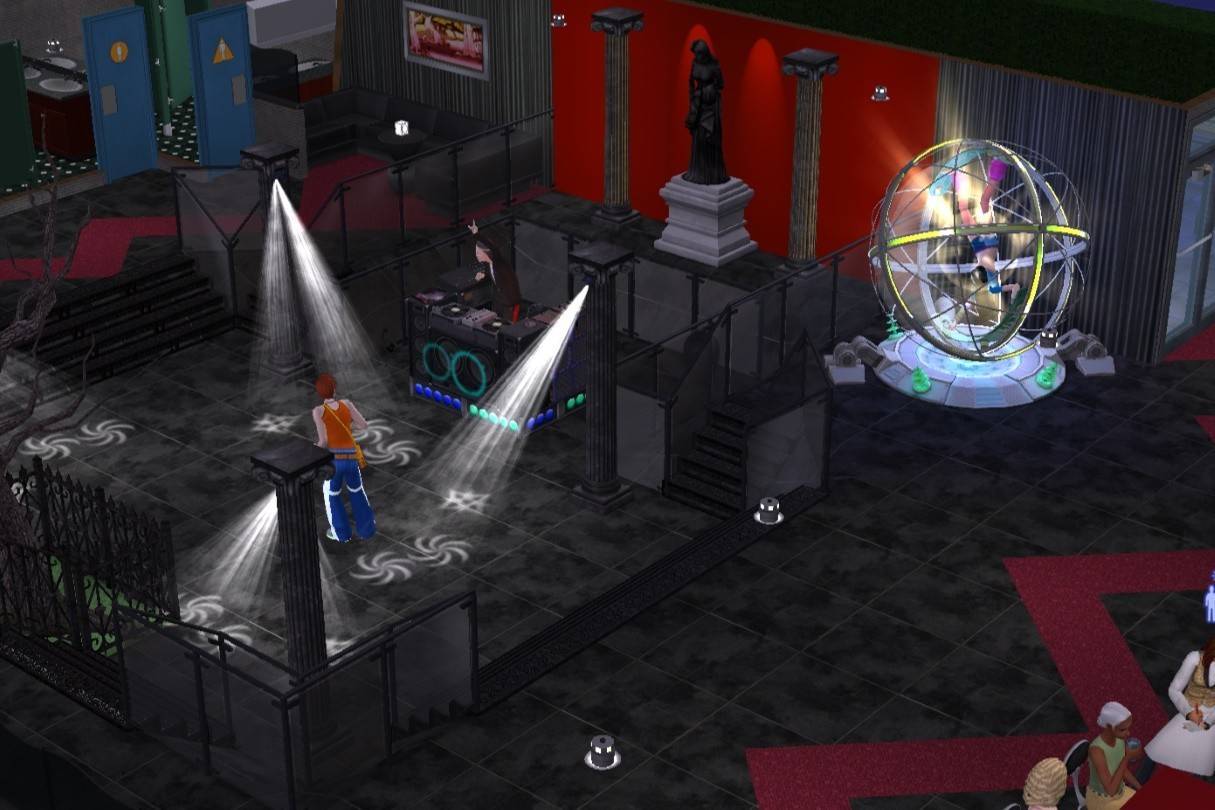 Image: ensigame.com
This expansion introduced inventories, enhanced social interactions, memorable NPCs (including Mrs. Crumplebottom!), and added depth to romantic pursuits.
The Excitement of Apartment Life
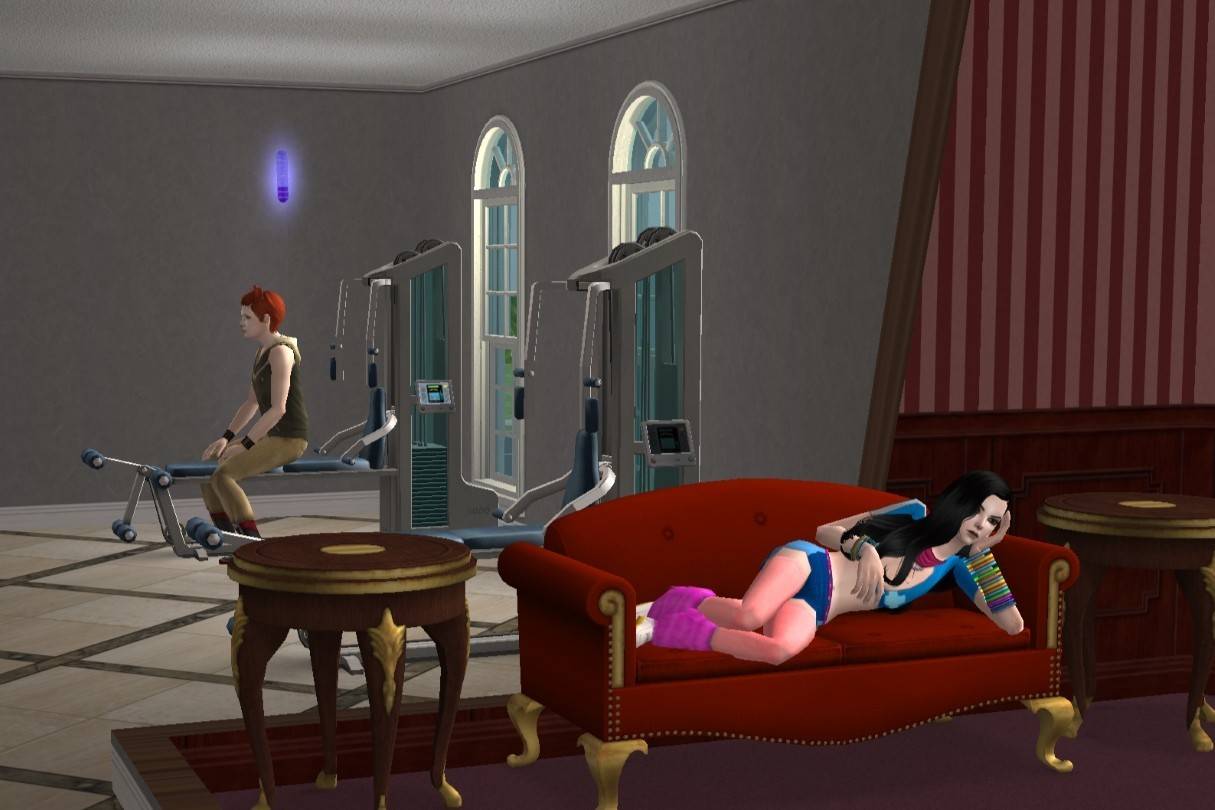 Image: ensigame.com
Apartment Life offered a new urban living experience in apartment buildings, fostering close-quarters interactions and diverse opportunities.
Memories That Last, Love That Doesn’t
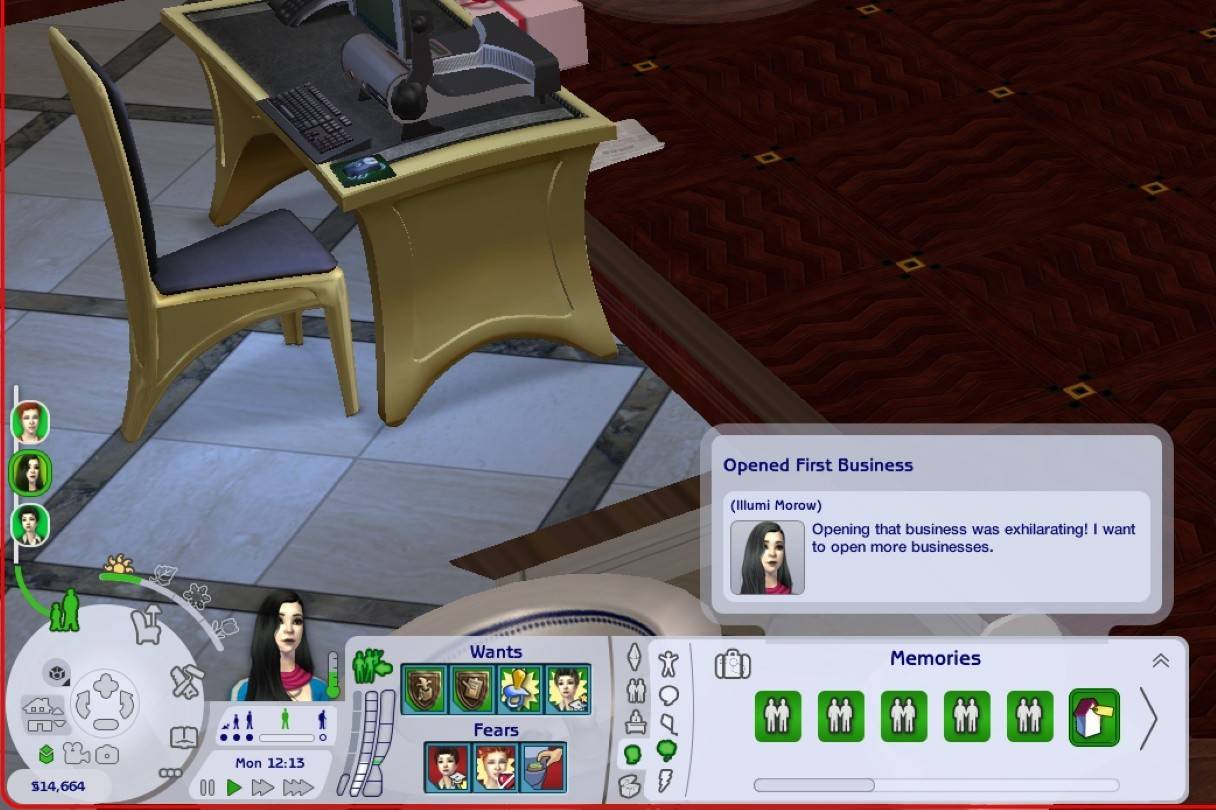 Image: ensigame.com
The Sims 2 introduced a sophisticated memory system, impacting Sim personalities and interactions, and realistically depicted unrequited love.
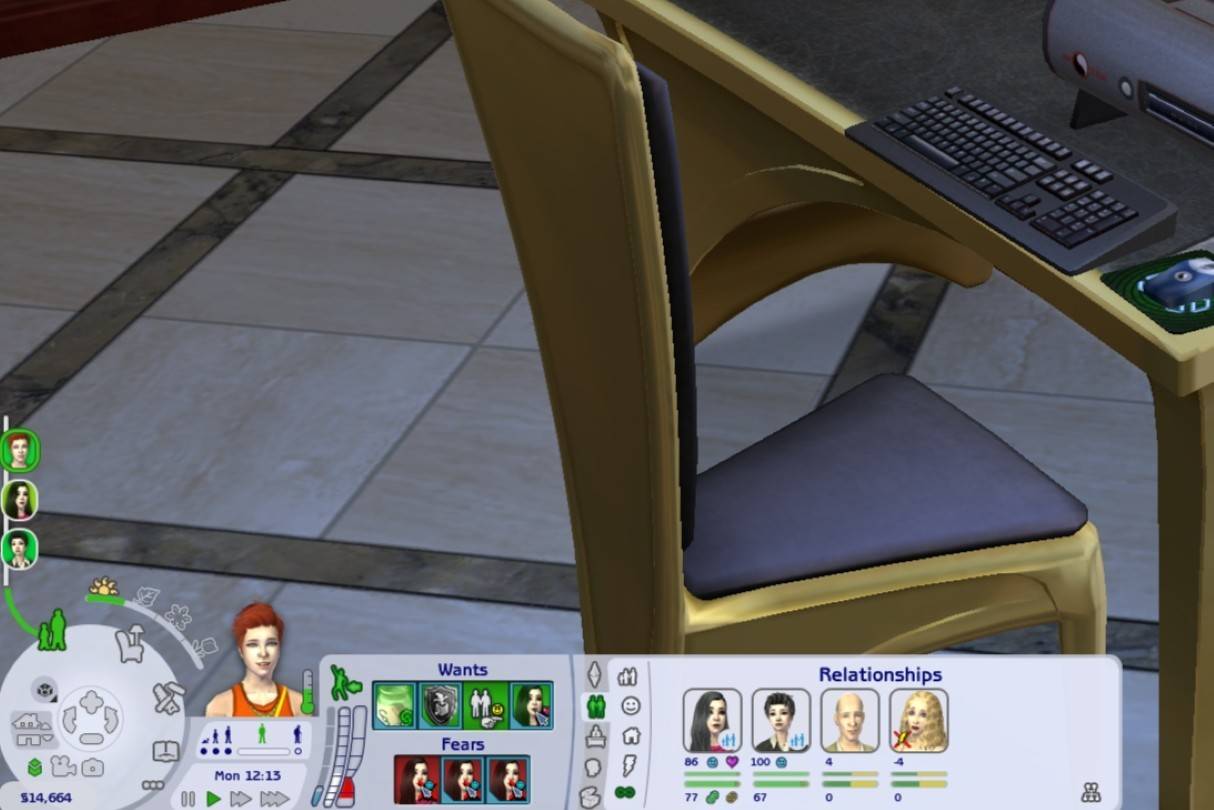 Image: ensigame.com
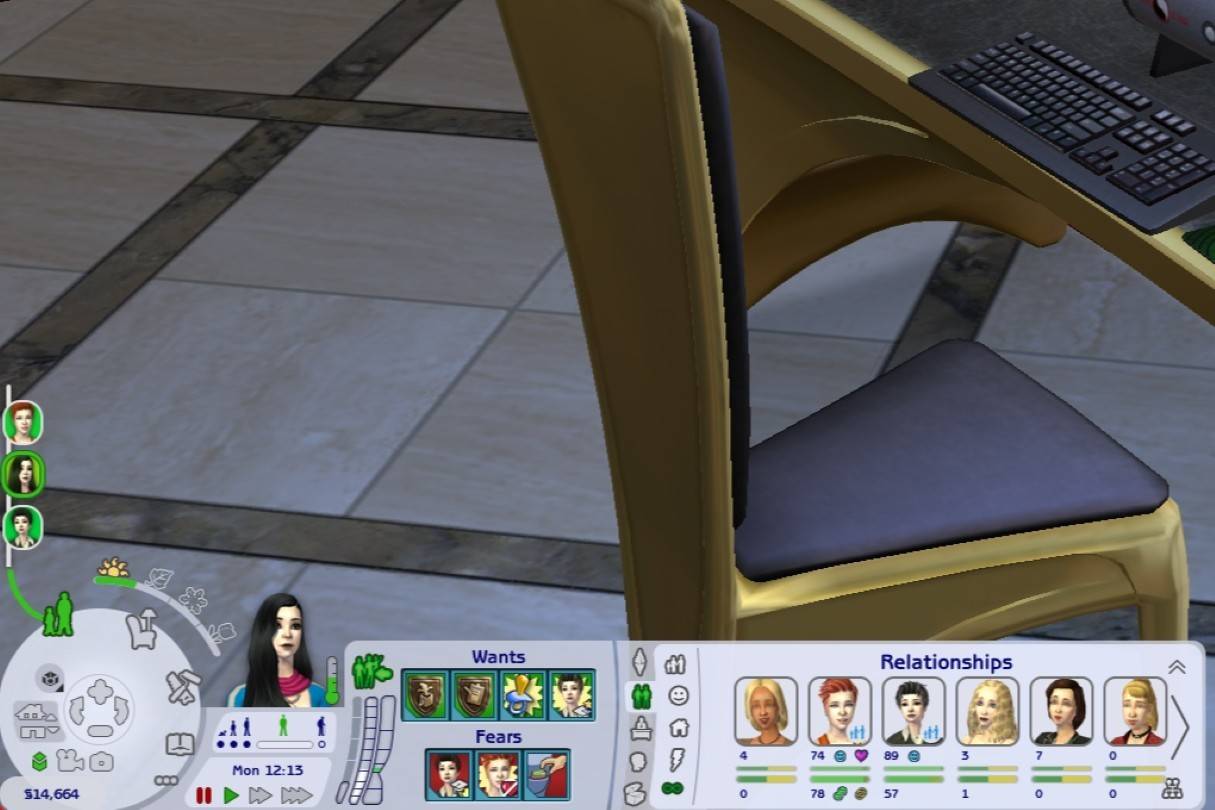 Image: ensigame.com
Functional Clocks
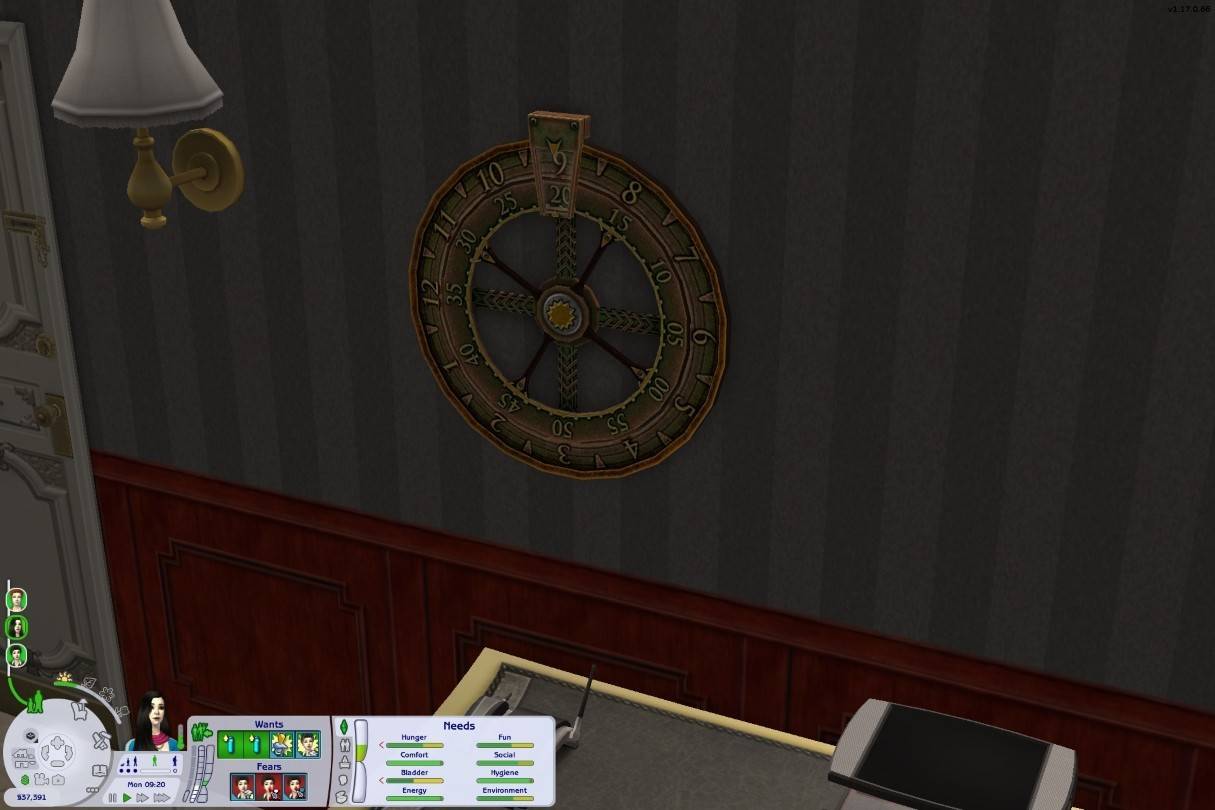 Image: ensigame.com
Clocks in The Sims 2 displayed real-time in-game time, a practical and aesthetically pleasing detail.
Shop ‘Til You Drop
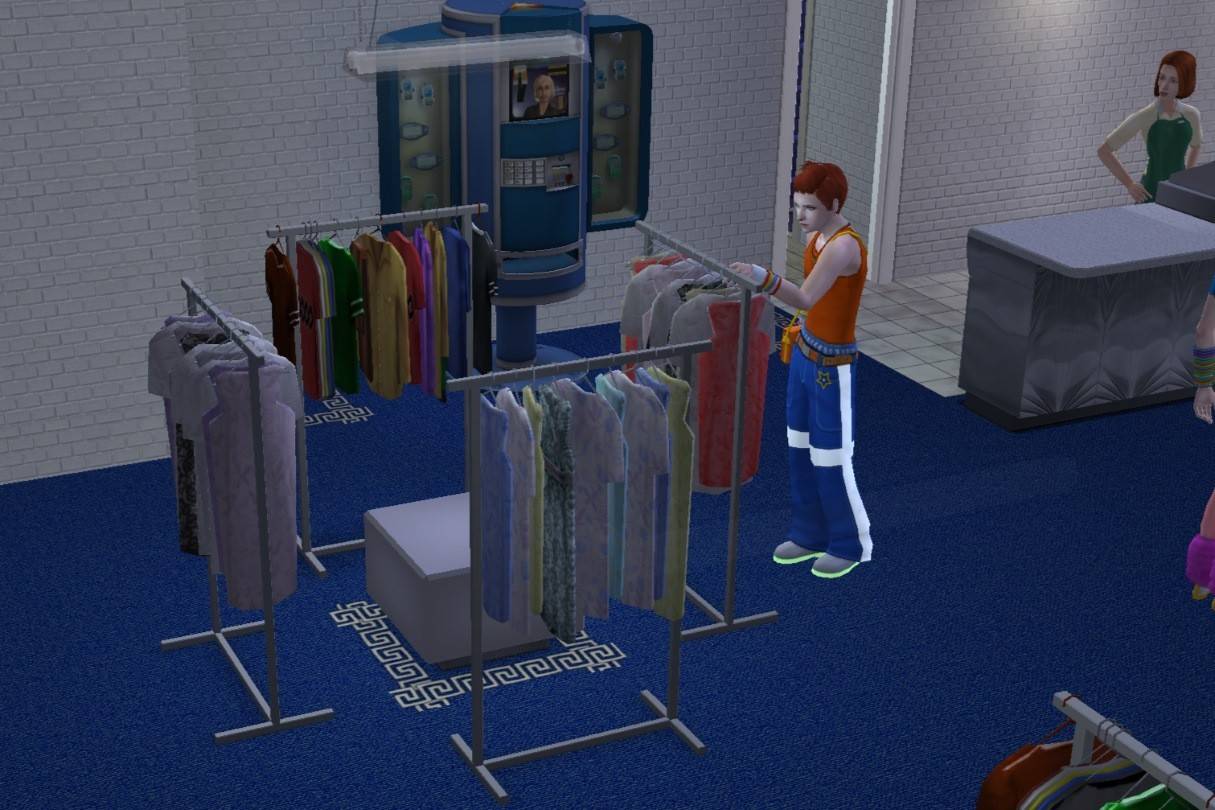 Image: ensigame.com
Sims needed to actively shop for food and clothing, adding realism to the experience.
Unique NPCs
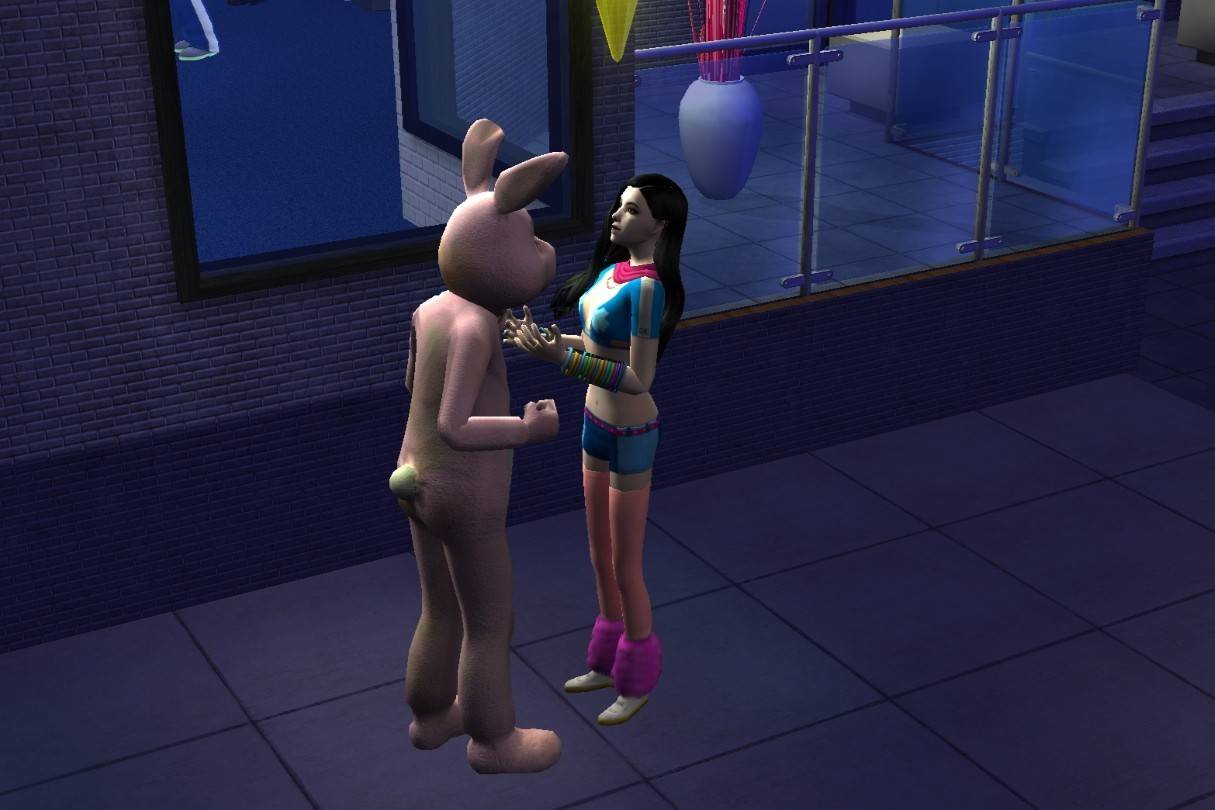 Image: ensigame.com
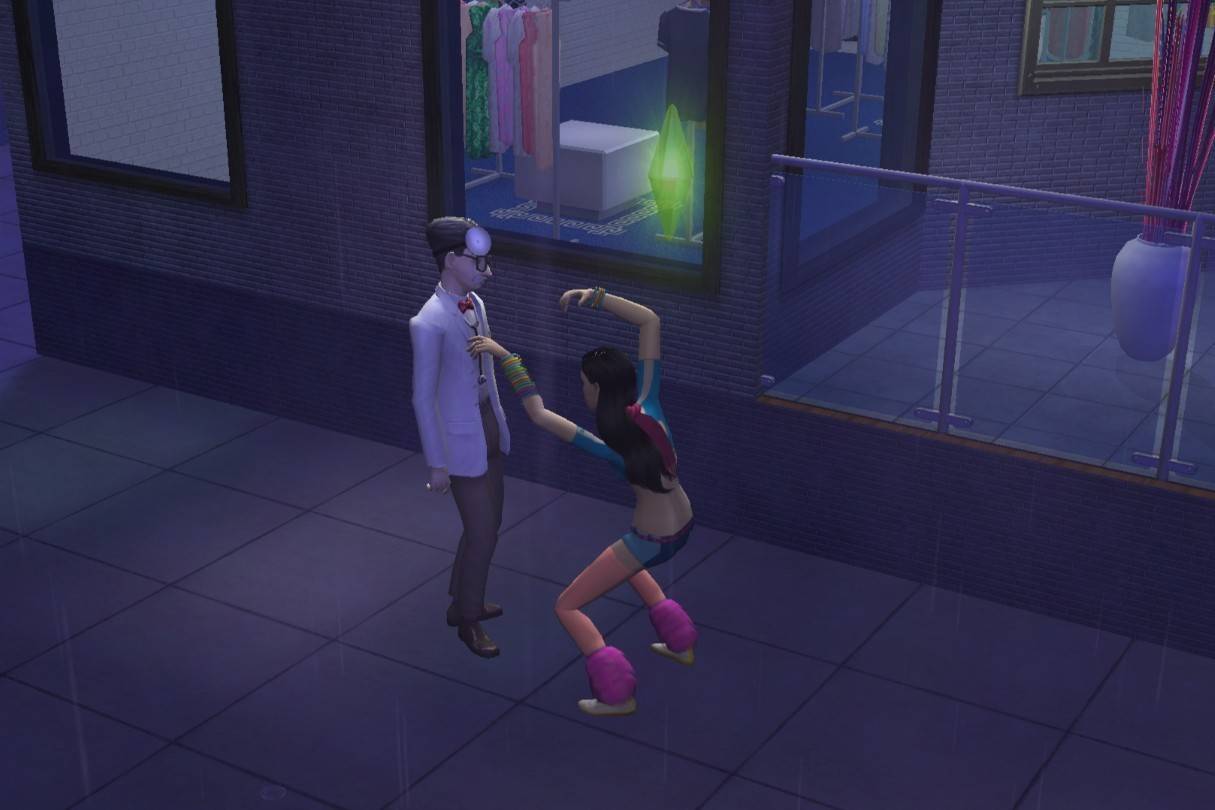 Image: ensigame.com
Memorable NPCs like the Social Bunny and the Therapist added quirky depth and realism to the game.
Unlocking Hobbies
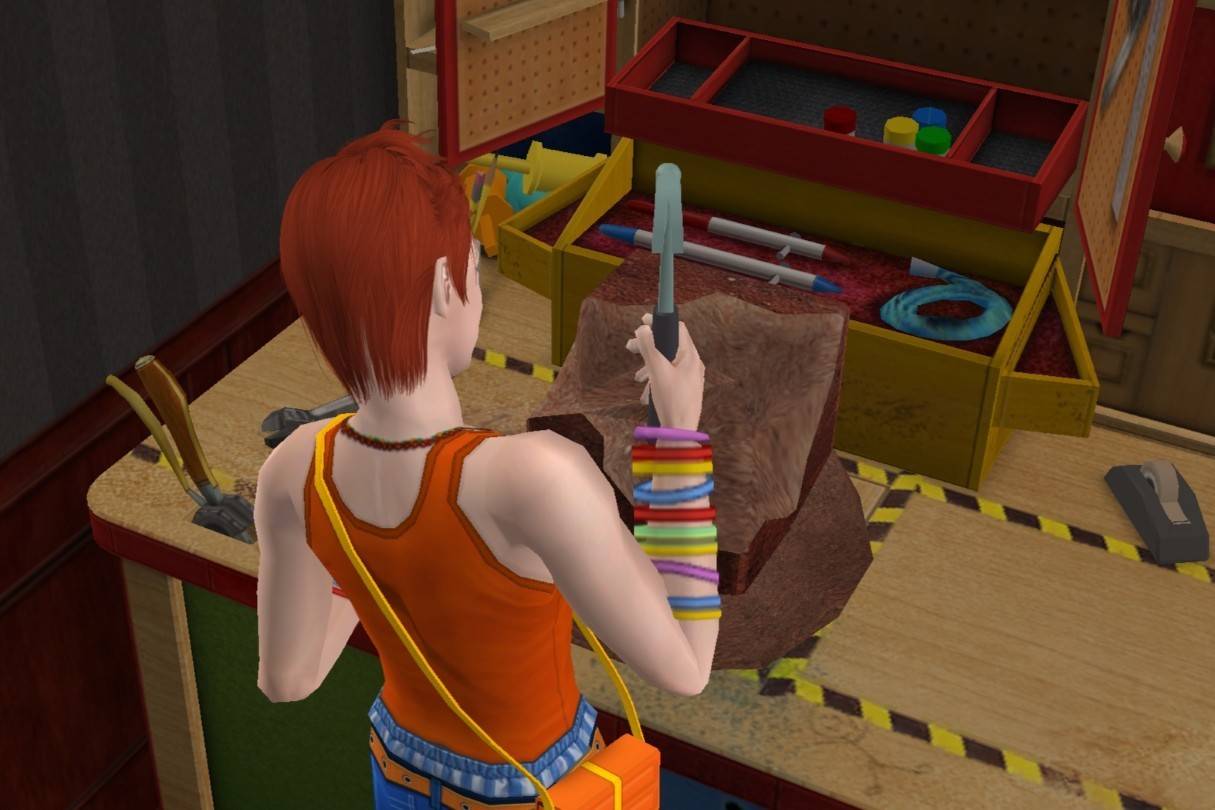 Image: ensigame.com
FreeTime introduced hobbies with skill-building, social benefits, and exclusive career opportunities.
A Helping Hand
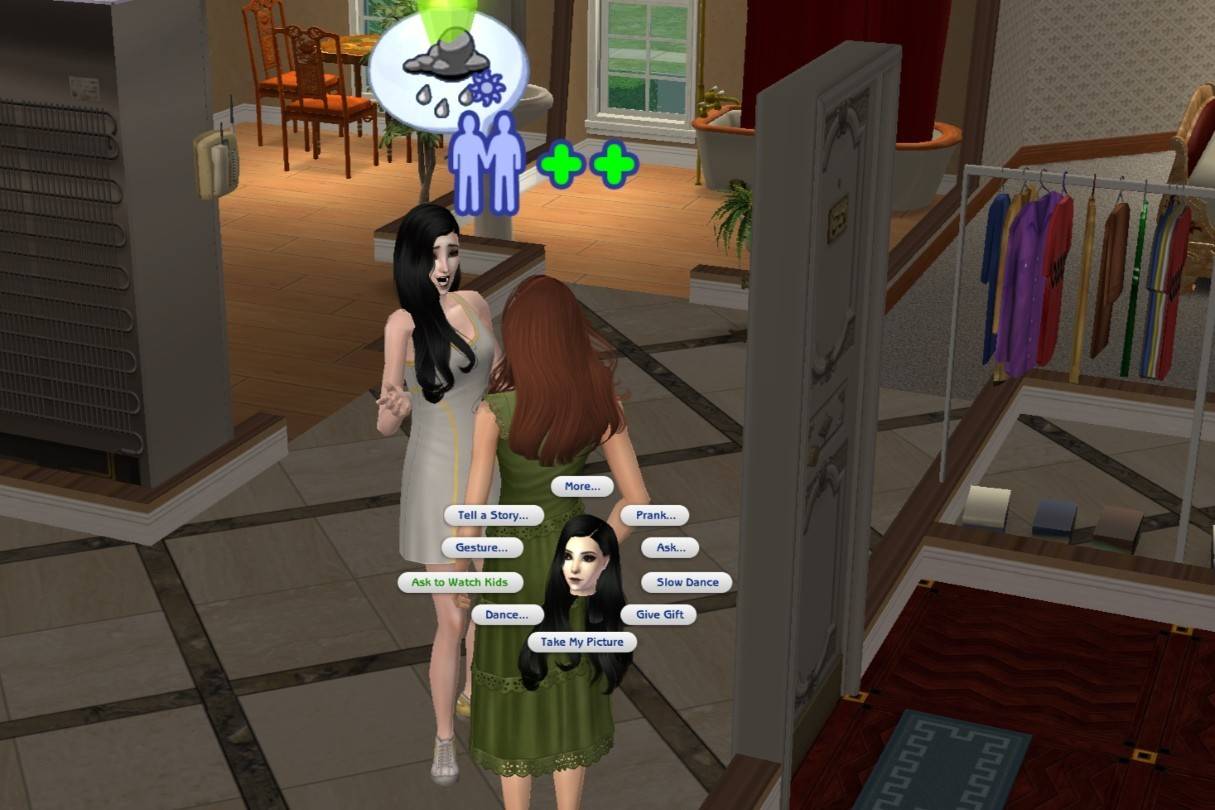 Image: ensigame.com
Close neighbor relationships allowed Sims to ask for childcare assistance, a personal alternative to hiring a nanny.
The original *Sims* games were groundbreaking in their depth and unique features. While a return of all these elements might be unlikely, they remain cherished reminders of what made the early *Sims* experiences so special.
-
A new offline mode for Ubisoft’s The Crew 2 is available now, allowing owners to play the racing MMO without an internet connection if desired. The functionality—dubbed Hybrid Mode—has been fully detailed on the publisher’s website. According to UbisAuthor : Michael Mar 15,2026
-
 Avatar Legends: Realms Collide has officially launched on Android, offering a new 4X strategy experience within Nickelodeon's beloved Avatar universe. Developed by AN Games and published by Tilting Point, this title immerses you in a world of elementAuthor : Scarlett Mar 14,2026
-
 Word Game. Crossword Search PuDownload
 -
 Buckshot Roulette: PvP DuelDownload
 -
 4 Pics Association Word PuzzleDownload
 -
 Win68Download
 -
 Kitty LetterDownload
 -
 SwingShotDownload
 -
 The Seven Realms 3Download
 -
 Curse of the Night Stalker - Chapter 3 releaseDownload
 -
 My Home Design: My House GamesDownload
 -
 100+ RiddlesDownload








- Classic WoW vs. Turtle WoW: 6 Key Differences
- Ultimate Guide to Shinigami Progression in Hollow Era
- Roblox Simulator Codes: Unlock Exclusive Rewards!
- Mastering Two-Handed Weapons in Elden Ring: A Guide
- Wuthering Waves: Uncover the Secrets of Whisperwind Haven's Palette
- Top 25 Palworld Mods to Enhance Your Game