
The Struggles of BioWare: The Uncertain Future of Dragon Age and the State of New Mass Effect
BioWare's future hangs in the balance, casting a shadow over both the Dragon Age and Mass Effect franchises. The recent release of Dragon Age: The Veilguard, intended as a triumphant return to form, instead sparked widespread concern. A Metacritic score of a mere 3 out of 10, based on 7,000 user reviews, and sales figures half of initial projections paint a bleak picture. This article explores the contributing factors and the uncertain path ahead for these beloved RPG series.
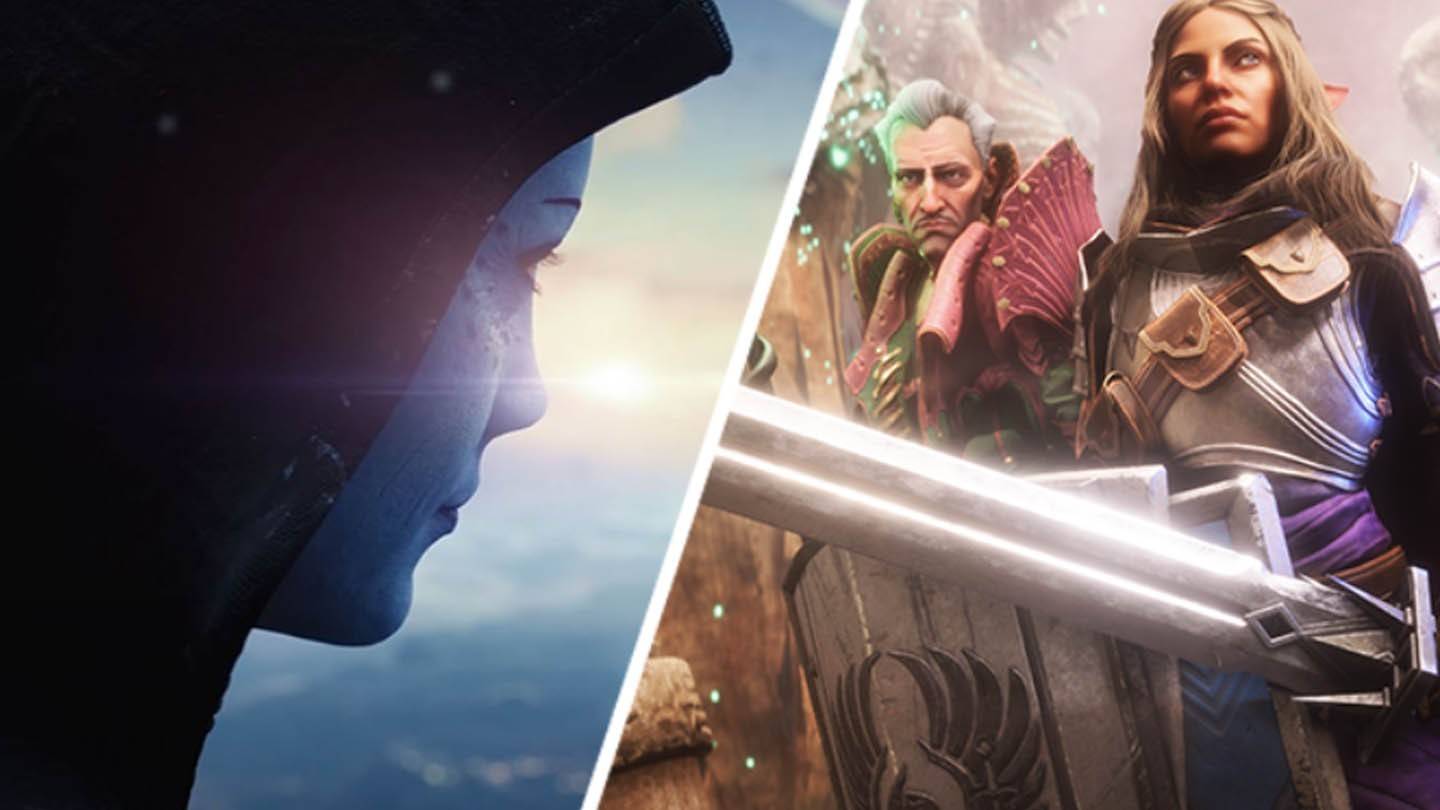
Table of Contents
- The Long Road to Dragon Age 4
- Key Departures at BioWare
- Dragon Age 4 Tried to Mimic Mass Effect but Failed
- Is Dragon Age Dead?
- What About the Next Mass Effect?
The Long Road to Dragon Age 4
The development of Dragon Age 4 has been a tumultuous journey spanning nearly a decade, marked by numerous setbacks and significant shifts in direction. Following the success of Dragon Age: Inquisition, an ambitious plan was laid out in 2016, envisioning a rapid release schedule for three games over a five-year period, aiming to establish Dragon Age as a leading RPG franchise. However, this plan quickly derailed. Resource allocation shifted to Mass Effect: Andromeda, and its subsequent failure led to the disbandment of BioWare Montreal and a significant redirection of resources to Anthem. This left Dragon Age 4 largely undeveloped from 2017 to 2019, handled by a small, dedicated team.
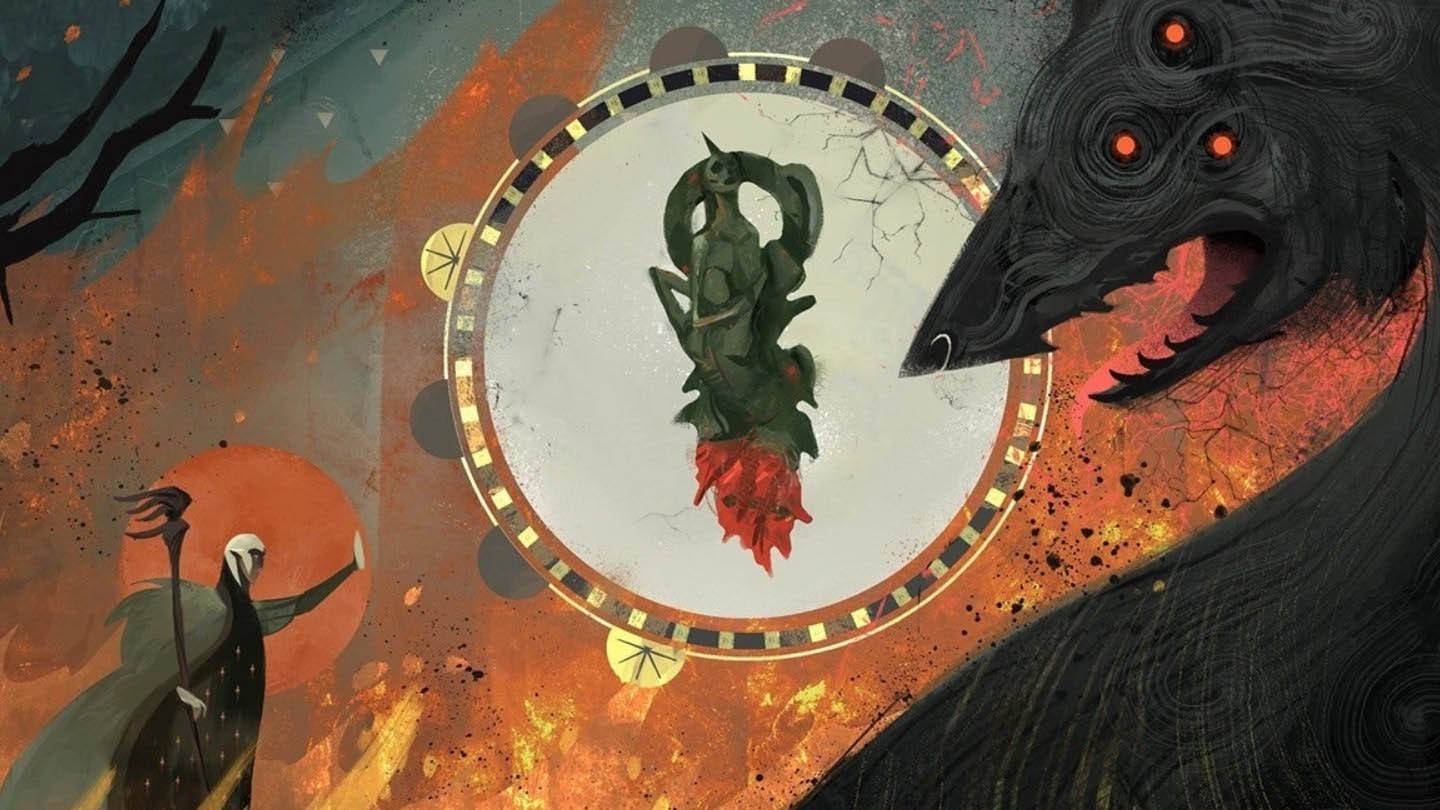
In 2017, EA's focus shifted towards live-service games, prompting a reimagining of Dragon Age as a live-service title. This iteration, codenamed "Joplin," was eventually abandoned following the disappointing launch of Anthem in 2019. BioWare successfully advocated for a return to a single-player experience, resulting in the project being renamed "Morrison." The project, later officially announced as Dragon Age: Dreadwolf (with a subsequent subtitle change), finally launched as The Veilguard on October 31, 2024, to disappointing sales of 1.5 million copies—nearly 50% below expectations despite positive critical reviews.
Key Departures at BioWare
The underperformance of The Veilguard triggered significant restructuring at BioWare, resulting in reassignments, layoffs, and the departure of several key figures. Among the notable losses were veteran writers Patrick and Karin Weekes, game director Corinne Bouche, and numerous other talented individuals who contributed significantly to the Dragon Age and Mass Effect universes. These departures represent a substantial loss of experience and expertise, shrinking the BioWare workforce significantly. While the studio remains open, the impact of these losses on future projects is undeniable.
Dragon Age 4 Tried to Mimic Mass Effect but Failed
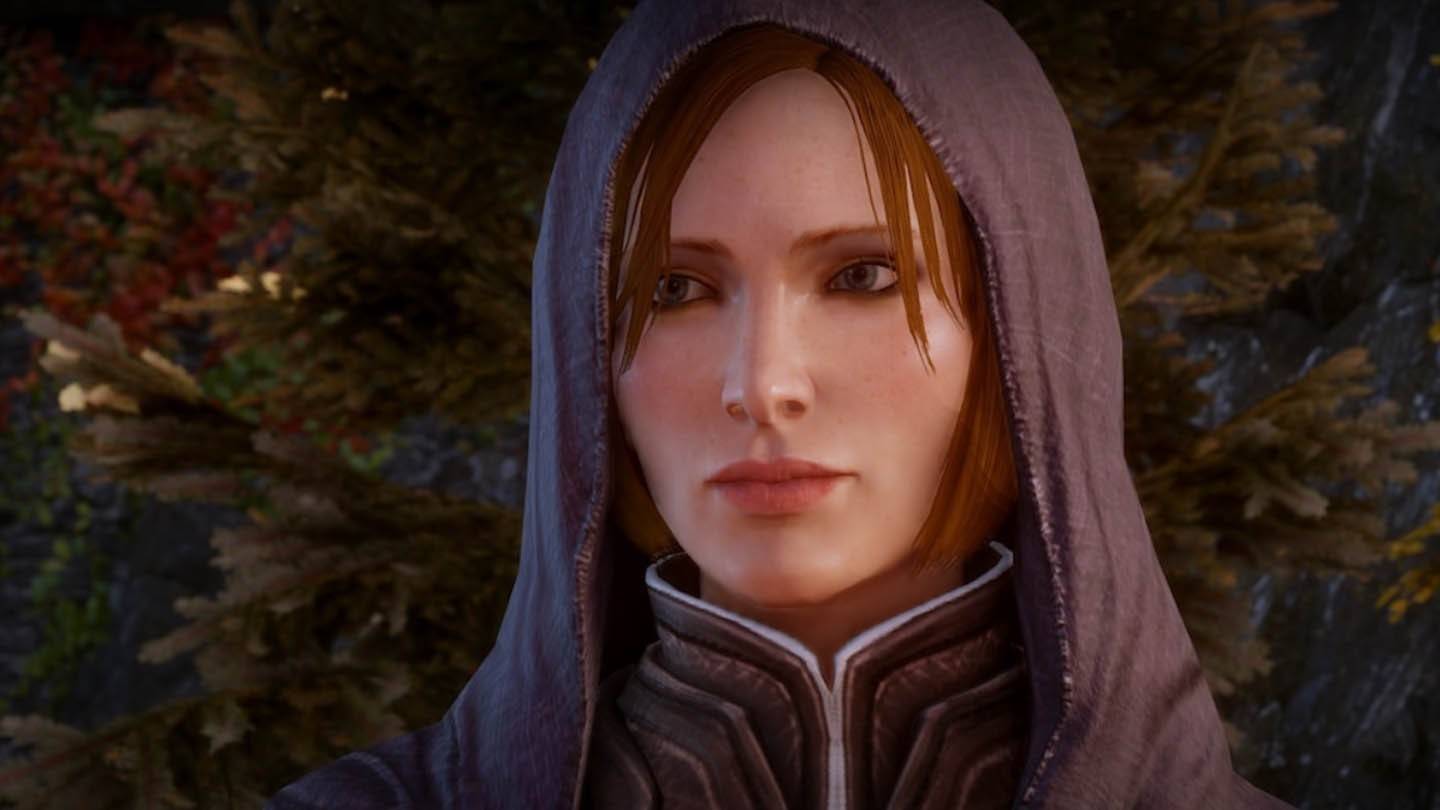
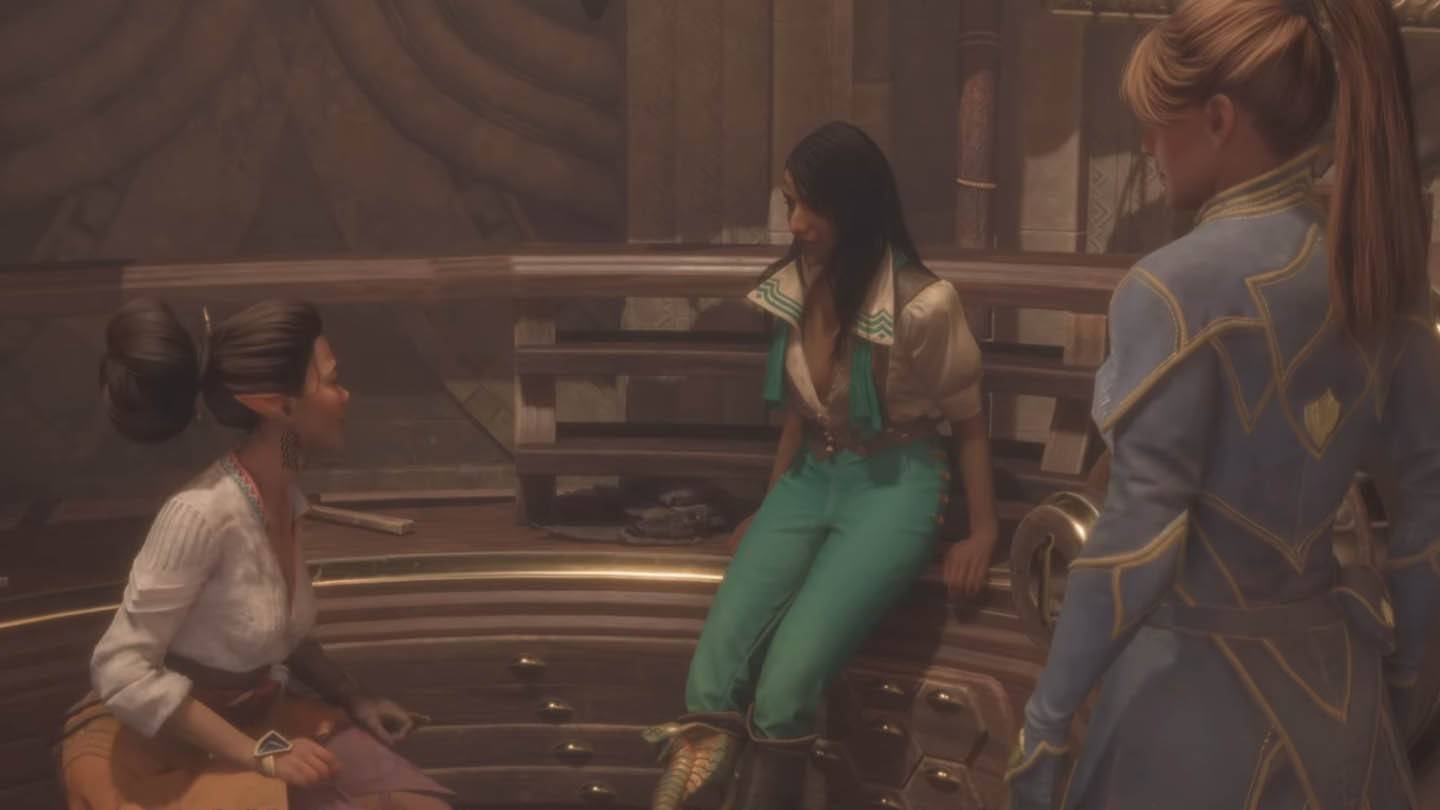
Interviews with developers revealed that The Veilguard drew significant inspiration from Mass Effect 2, particularly its companion system and the impact of player choices. While some aspects, such as the final act, were successful, the attempt to replicate the success of Mass Effect ultimately fell short. The game lacked the depth and complexity that defined previous Dragon Age titles, simplifying character interactions and neglecting the rich political and social themes that were previously central to the series. The over-reliance on mechanics borrowed from Mass Effect, without fully integrating them into the Dragon Age universe, proved to be a critical flaw.
Is Dragon Age Dead?
EA's leadership has hinted that The Veilguard might have fared better as a live-service game. The company's financial reports prioritize other projects, raising concerns about the future of single-player Dragon Age titles. While the series isn't officially canceled, its future remains uncertain. The departure of key personnel further clouds the outlook, although the enduring passion of the fanbase offers a glimmer of hope for a potential resurgence.
What About the Next Mass Effect?
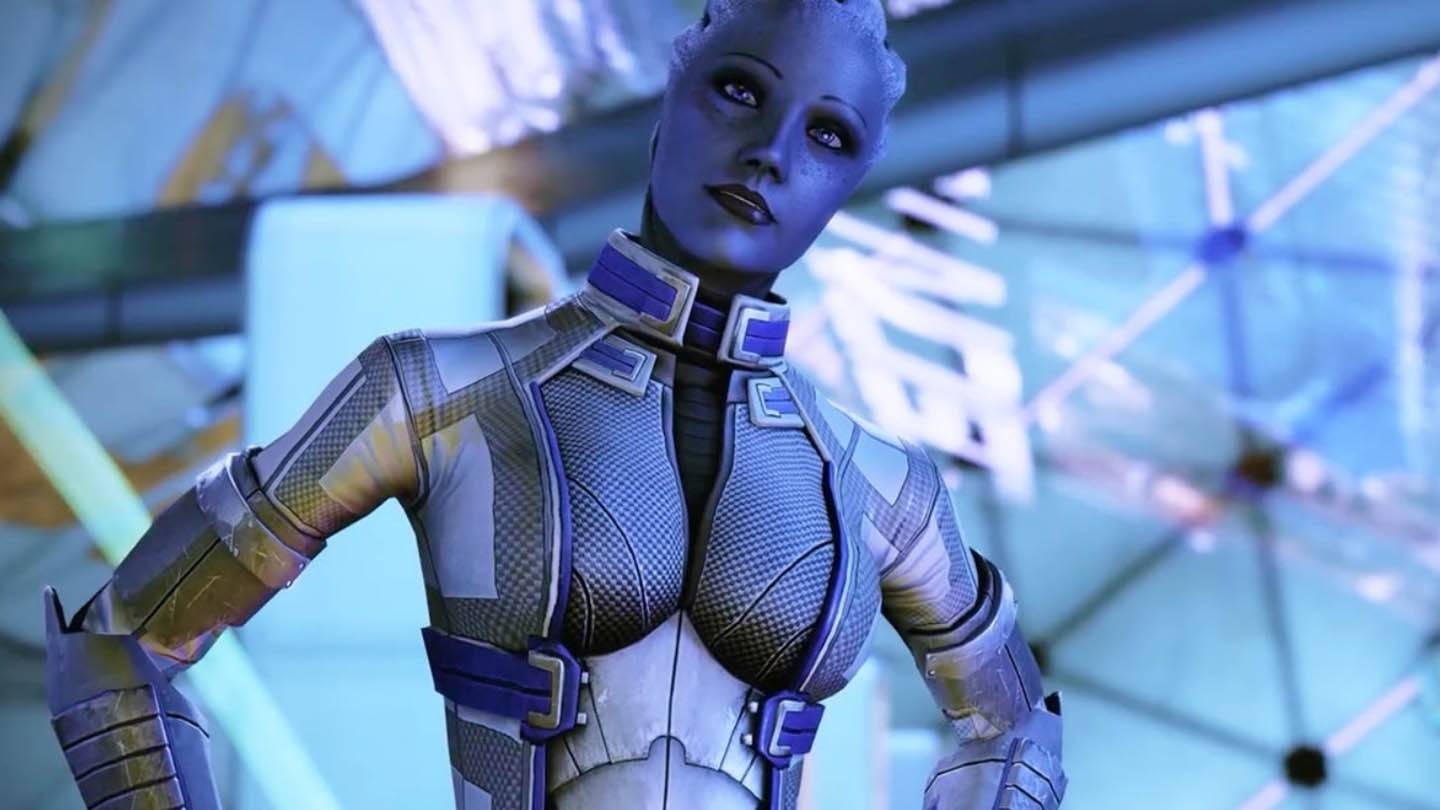
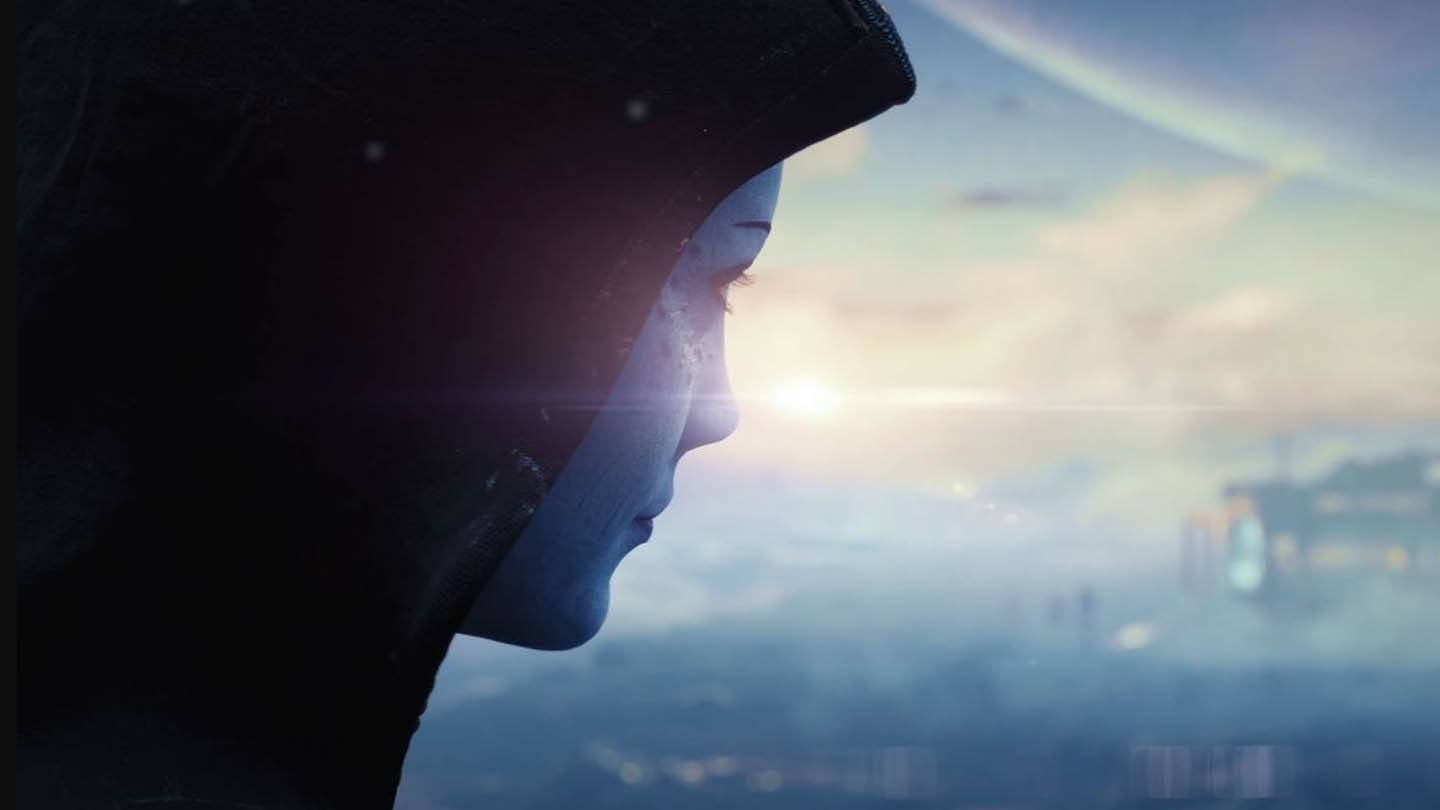
Mass Effect 5, announced in 2020, remains in pre-production with a significantly reduced team. While details are scarce, it aims for a higher level of photorealism and is expected to continue the storyline of the original trilogy. Given the studio's restructuring and the extended development cycles, a release before 2027 seems unlikely. The hope is that it will avoid the pitfalls that plagued The Veilguard, offering a more cohesive and compelling experience.
-
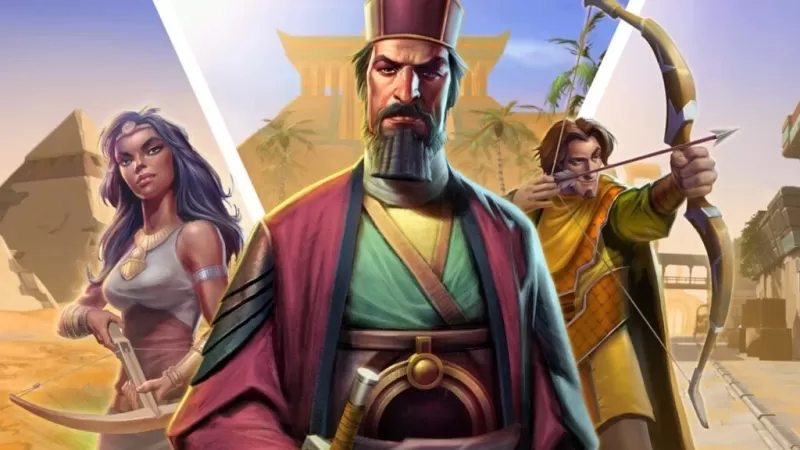 RuneScape's April Developer Diary has arrived, detailing the latest update: "Return to the Desert: Pharaoh's Folly." This brand-new quest launches today and will be available until April 28th. Your mission is to survive the treacherous Shifting TombsAuthor : Andrew Mar 12,2026
 -
Firaxis Games, the developer behind Civilization VII, has laid off an unspecified number of staff today. This comes despite Take-Two Interactive CEO Strauss Zelnick's recent comments that the game's sales are meeting the company's projections.MultiplAuthor : Joshua Mar 12,2026



















- HoYo Fest 2025: Fresh Updates on Comeback
- Mastering Two-Handed Weapons in Elden Ring: A Guide
- Ultimate Guide to Shinigami Progression in Hollow Era
- Roblox Simulator Codes: Unlock Exclusive Rewards!
- Wuthering Waves: Uncover the Secrets of Whisperwind Haven's Palette
- Top 25 Palworld Mods to Enhance Your Game