
"Yakuza: Like a Dragon's Enduring Appeal: Middle-Aged Heroes in Middle-Aged Misadventures"
The Yakuza/Like a Dragon series, while expanding its appeal to younger and female players, remains committed to its core identity: middle-aged men engaging in relatable middle-aged activities.

Maintaining the "Middle-Aged Dude" Focus
Despite a significant increase in female and younger fans, director Ryosuke Horii affirmed in an interview with AUTOMATON that the series won't drastically alter its themes to accommodate this broader audience. The developers believe the series' unique charm lies in its depiction of the everyday lives and struggles of middle-aged men, a perspective deeply rooted in their own experiences. The relatable "humanity" stemming from these age-specific experiences, from Ichiban's Dragon Quest obsession to complaints about back pain, is considered key to the game's originality. Horii highlights the authenticity of the characters' problems, making them easily relatable to players.
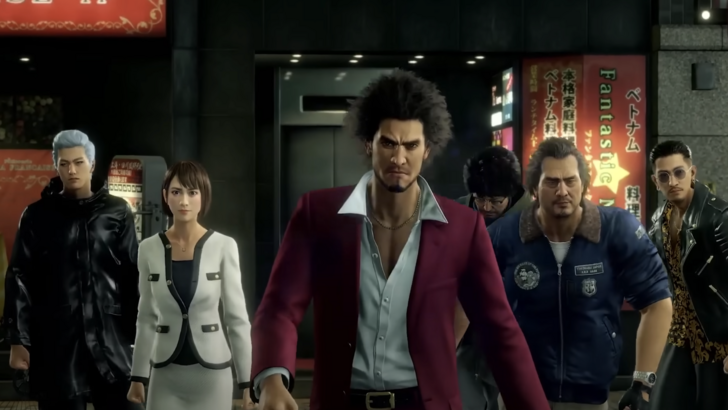
Series creator Toshihiro Nagoshi, in a 2016 Famitsu interview (reported by Siliconera), expressed surprise at the rising number of female players (approximately 20% at the time) but reiterated the game's primary design for a male audience. He emphasized a cautious approach to avoid altering the core elements to cater excessively to female players.
Concerns Regarding Female Representation
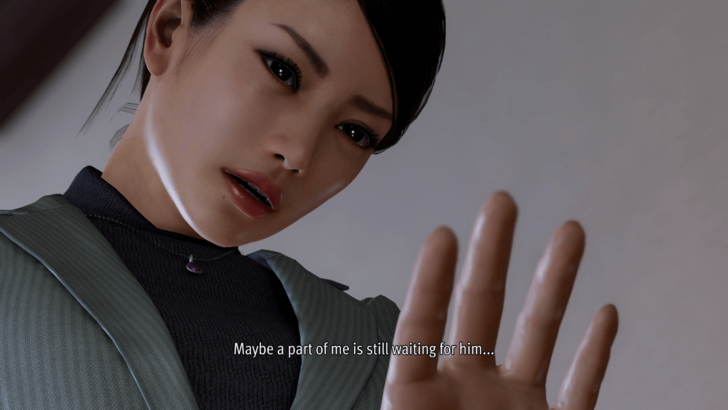
However, the series' portrayal of women has drawn criticism. Many fans point to the prevalence of sexist tropes, with female characters often relegated to supporting roles or subjected to objectification. The limited number of significant female characters and the frequent use of suggestive or sexual remarks by male characters towards them are frequently cited concerns. The recurring "damsel-in-distress" archetype further fuels this criticism. While acknowledging the issue, lead planner Hirotaka Chiba jokingly alluded to the continuation of such scenarios in Like a Dragon: Infinite Wealth.

Despite occasional missteps into outdated tropes, the series shows signs of progress. Like a Dragon: Infinite Wealth, praised by Game8 (92/100), is seen as a positive step, balancing fan service with a forward-looking direction for the franchise.
-
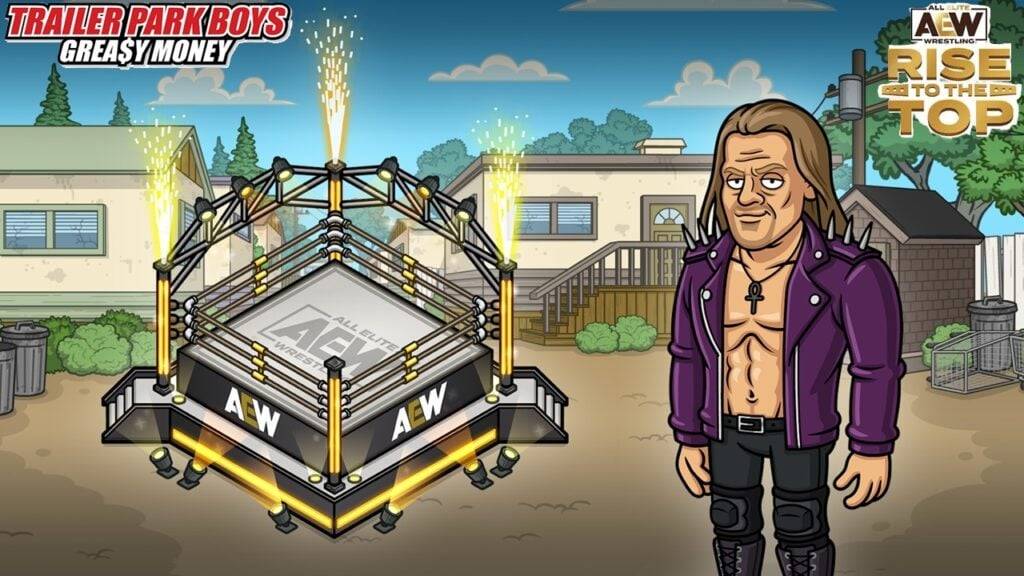 East Side Games Group is merging two wildly different universes in an exhilarating crossover. Trailer Park Boys: Greasy Money is joining forces with All Elite Wrestling: Rise to The Top. This special event begins on March 27th at 2:00 PM PT, deliveriAuthor : Sarah Mar 17,2026
 -
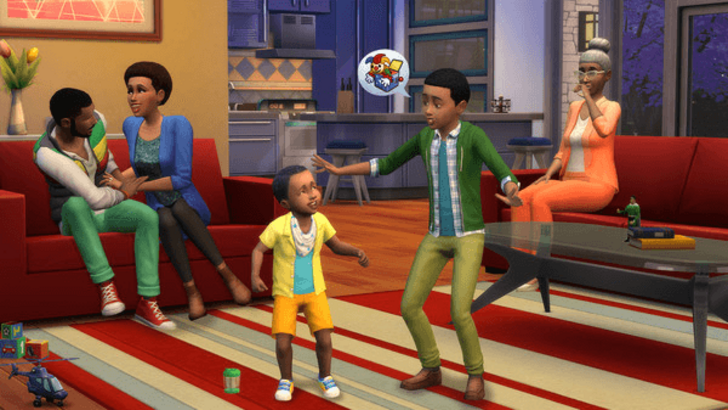 After years of speculation about The Sims 5, EA is charting a bold new course for the franchise. Instead of traditional numbered sequels, the company plans to expand "The Sims Universe" with ongoing updates across multiple titles.EA Plans on ExpandinAuthor : Samuel Mar 16,2026
-
 Fast-LibsDownload
 -
 Airport Clash 3D - Minigun ShoDownload
 -
 A RecreativaDownload
 -
 com.crikey.dreamcarnival ModDownload
 -
 تحدي ام حقيقةDownload
 -
 Madden NFL 25 CompanionDownload
 -
 Survivor Z: Zombie SurvivalDownload
 -
 Dinosaur Hunting: Trex HunterDownload
 -
 Z書庫Download
 -
 Word Game. Crossword Search PuDownload










- Classic WoW vs. Turtle WoW: 6 Key Differences
- Ultimate Guide to Shinigami Progression in Hollow Era
- Roblox Simulator Codes: Unlock Exclusive Rewards!
- Mastering Two-Handed Weapons in Elden Ring: A Guide
- Wuthering Waves: Uncover the Secrets of Whisperwind Haven's Palette
- Top 25 Palworld Mods to Enhance Your Game