
The History of Monster Hunter Weapons
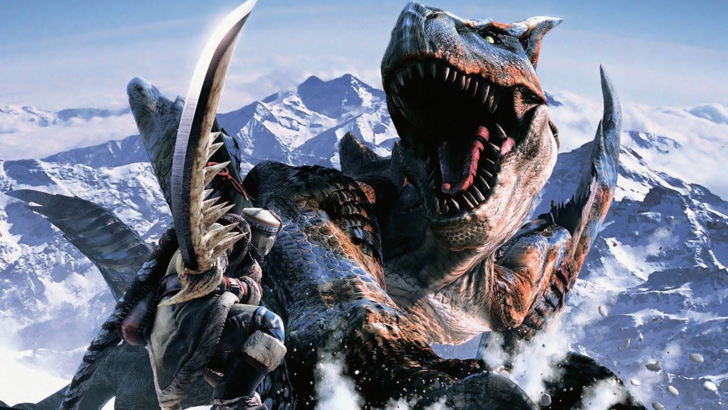
Monster Hunter's renowned for its diverse weapon selection and thrilling gameplay. But did you know even more weapons existed in earlier games, never making it to newer releases? Let's explore the rich history of Monster Hunter weaponry.
← Return to Monster Hunter Wilds' main article
History of Weapon Types in Monster Hunter
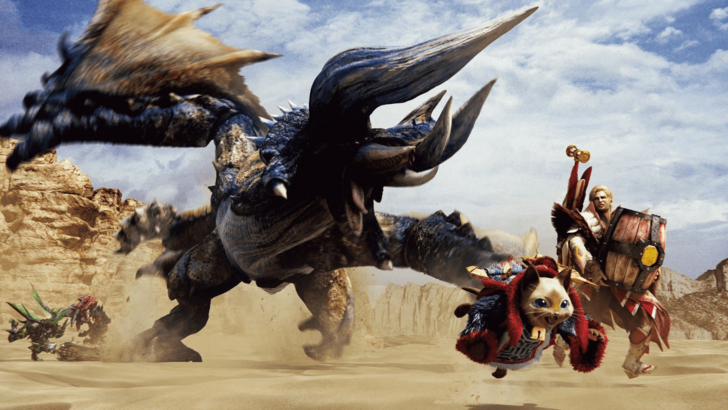
Monster Hunter, celebrating over two decades since its 2004 debut, is celebrated for its diverse weapon arsenal. Monster Hunter Wilds boasts fourteen distinct weapon types, each demanding mastery of unique strengths, weaknesses, movesets, and mechanics.
The evolution from the original Great Sword to its modern counterpart is remarkable, showcasing significant refinements in movesets and mechanics. Beyond these familiar favorites, older games feature weapons never released in the West. Let's delve into Monster Hunter's weapon history.
First Generation
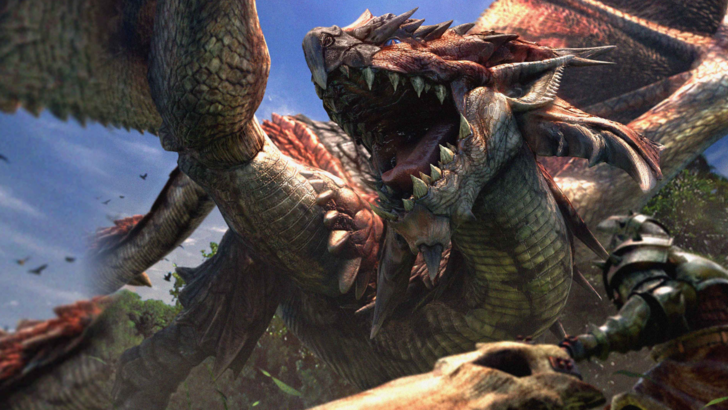
These weapons, introduced in the original Monster Hunter and its iterations, are the series' foundational arsenal. They've endured, evolving with refined movesets and mechanics.
Great Sword

The franchise icon, the Great Sword, debuted in 2004. Its high damage potential comes at the cost of slow attack and movement speeds. The heavy blade can even function as a shield, though at the expense of stamina and sharpness.
Initially, gameplay revolved around hit-and-run tactics and precise spacing. While combos were possible, slow animations made extended chains inefficient. Interestingly, the blade's center dealt more damage than the tip or hilt.
Monster Hunter 2 introduced the iconic Charged Slash, a multi-level charge attack culminating in a devastating swing. This remains a core element of the weapon's design.
Subsequent games refined charging mechanics, adding finishers and smoother combo transitions, despite retaining its deliberate pace. Monster Hunter World's shoulder tackle, for example, allows quicker access to charged attacks after absorbing blows.
The Great Sword offers a low skill floor but a high skill ceiling. Mastering the weapon involves maximizing damage output by strategically employing the True Charged Slash within limited openings.
Sword and Shield
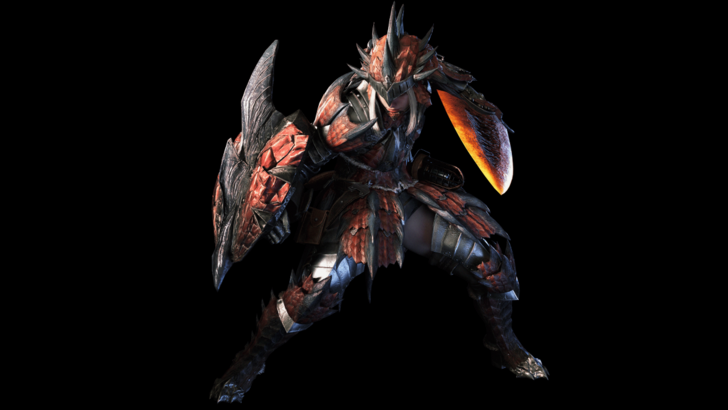
The Sword and Shield embodies versatility. While lacking single-hit power, it compensates with rapid combos, blocking capabilities, superior mobility, and utility. Initially considered a beginner weapon, its design has grown increasingly complex.
Early gameplay focused on quick slashes and high mobility. Monster Hunter 2 allowed item usage while the weapon remained drawn.
Later iterations expanded its moveset. Monster Hunter 3 added shield bash combos, Monster Hunter 4 introduced backsteps and jumps, and Monster Hunter World and Rise brought the Perfect Rush and aerial finishers.
Despite its short range and moderate damage, the Sword and Shield remains a jack-of-all-trades. Its infinite combos, agility, backstep evasiveness, powerful finishers, and defensive blocking make it deceptively deep.
Hammer
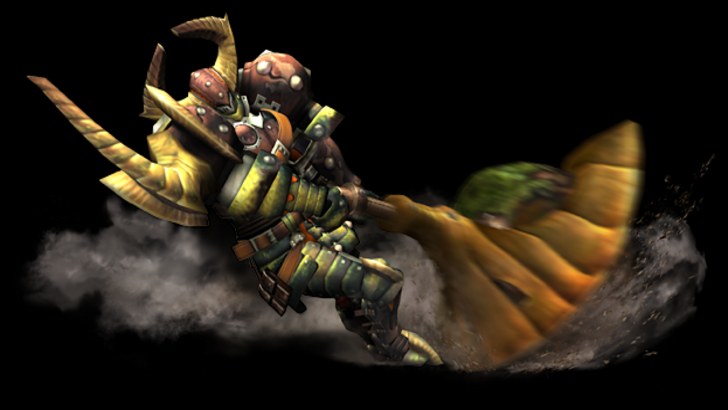
One of two blunt weapons (dealing impact, not slashing damage), Hammers excel at breaking monster parts, particularly heads. Post-Monster Hunter 2, the Hammer became the king of knockouts.
Its gameplay resembles the Great Sword's hit-and-run style, but with surprisingly high mobility and no blocking. Its unique charge mechanic allowed movement during charging.
Movesets have remained largely consistent, with significant changes appearing in Monster Hunter World and Rise. New attacks like the Big Bang and Spinning Bludgeon added devastating offensive options.
Two modes, Strength and Courage, were introduced, altering charge attacks and effects. Effective Hammer use requires understanding these modes and maintaining momentum while charging.
The Hammer's goal is simple: target the head and stun the monster. However, this requires skill and timing to maximize damage with charged attacks and combo finishers.
Lance

The Lance embodies the principle of defense. Its long reach allows ranged attacks, and its large shield blocks most attacks, even some considered unguardable with proper skill investment. While mobility is limited, its damage output is considerable.
Gameplay resembles boxing, poking from a safe distance. Core attacks include forward and upward thrusts, chainable up to three times. A counter mechanic was added, along with running charge and shield bash attacks to close the distance.
Despite its unflashy animations, the Lance is unique. It rewards players for standing their ground, transforming the hunter into a formidable tank. While the Gunlance offers similar defensive capabilities, the Lance surpasses it in pure defense.
Light Bowgun
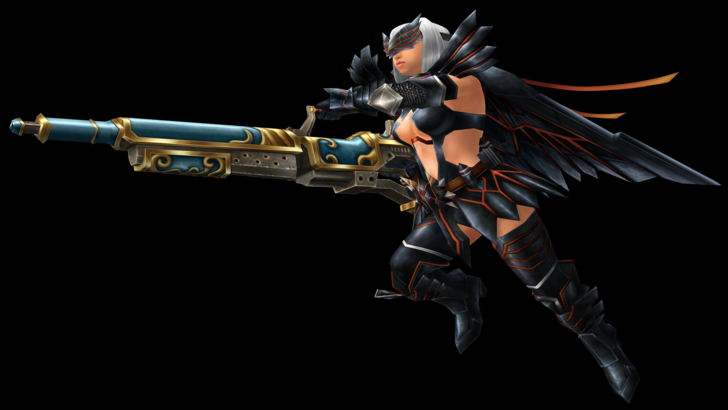
The Light Bowgun, a ranged weapon present since the first generation, offers mobility and rapid reload speeds. Its smaller size allows for normal movement speed while drawn.
Its mobility comes at the cost of limited ammunition compared to the Heavy Bowgun. Customization options include barrels, silencers, and scopes.
While its ammunition is limited, the Light Bowgun's rapid-fire capability allows it to outperform other ranged weapons in terms of ease of use.
Monster Hunter 4's "Critical Distance" mechanic added depth, making optimal damage dependent on both distance and ammunition type.
Monster Hunter World introduced Wyvernblast (ground bombs) and a slide maneuver after firing, enhancing its mobile run-and-gun style.
The Light Bowgun has evolved beyond a "weaker" counterpart. Its simplicity has been refined into a robust design, remaining easier to use than other ranged weapons while maintaining competitive mechanics.
Heavy Bowgun
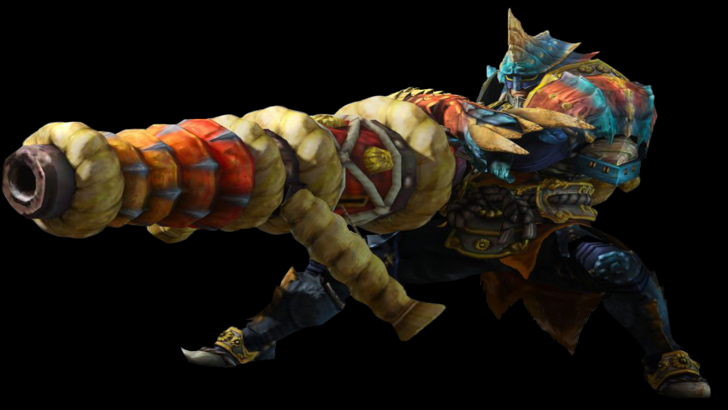
The Heavy Bowgun, the premier ranged weapon of the first generation, boasts high damage and versatile ammunition. Its size and weight, however, severely restrict movement while drawn.
While the Light Bowgun prioritizes mobility, the Heavy Bowgun emphasizes flexibility through its wide ammunition selection. Its slow movement speed is offset by the ability to equip a shield for defense.
Its design has remained largely consistent, serving as powerful artillery support. Low mobility can, however, lead to downtime if the monster focuses its attacks.
Monster Hunter 3 introduced Siege Mode for continuous firing without reloading. Monster Hunter World added Wyvernheart (minigun) and Wyvernsnipe (powerful single-shot) special ammo, requiring strategic ammunition management.
The Heavy Bowgun's strength lies in powerful ammunition like Cluster and Crag, enabling swift monster takedowns. While minor adjustments have been made, its core identity—powerful ammunition for massive damage—remains unchanged.
Dual Blades
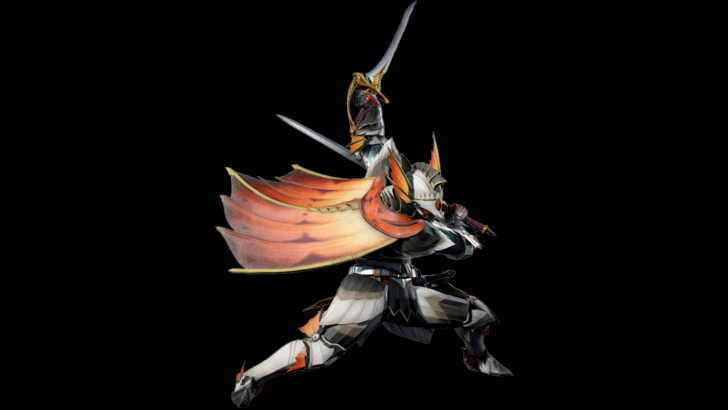
Known for its flashy style, the Dual Blades prioritize speed and high status effect/elemental damage potential. Interestingly, despite being a first-generation weapon, it was only included in Western releases of the original Monster Hunter.
Its gameplay revolves around rapid, fluid combos. While individual attacks are weak, their speed and frequency accumulate significant damage.
The core design emphasizes "death by a thousand cuts," enhanced by Demon Mode (increased damage and new attacks at the cost of stamina).
Monster Hunter Portable 3rd and Monster Hunter 3 Ultimate introduced the Demon Gauge, filling with each attack in Demon Mode. A full gauge activates Archdemon Mode, offering enhanced attacks and evasiveness without stamina drain.
Key changes included new attacks in powered-up states and the Demon Dash (movement tool). Monster Hunter Generations Ultimate's Adept Hunter Style linked perfect dodges to the Demon Dash, granting damage buffs.
While the core design remains, refinements have enhanced its offensive capabilities. Archdemon Mode significantly altered gameplay, encouraging sustained powerful attacks rather than cycling in and out of Demon Mode.
Second Generation
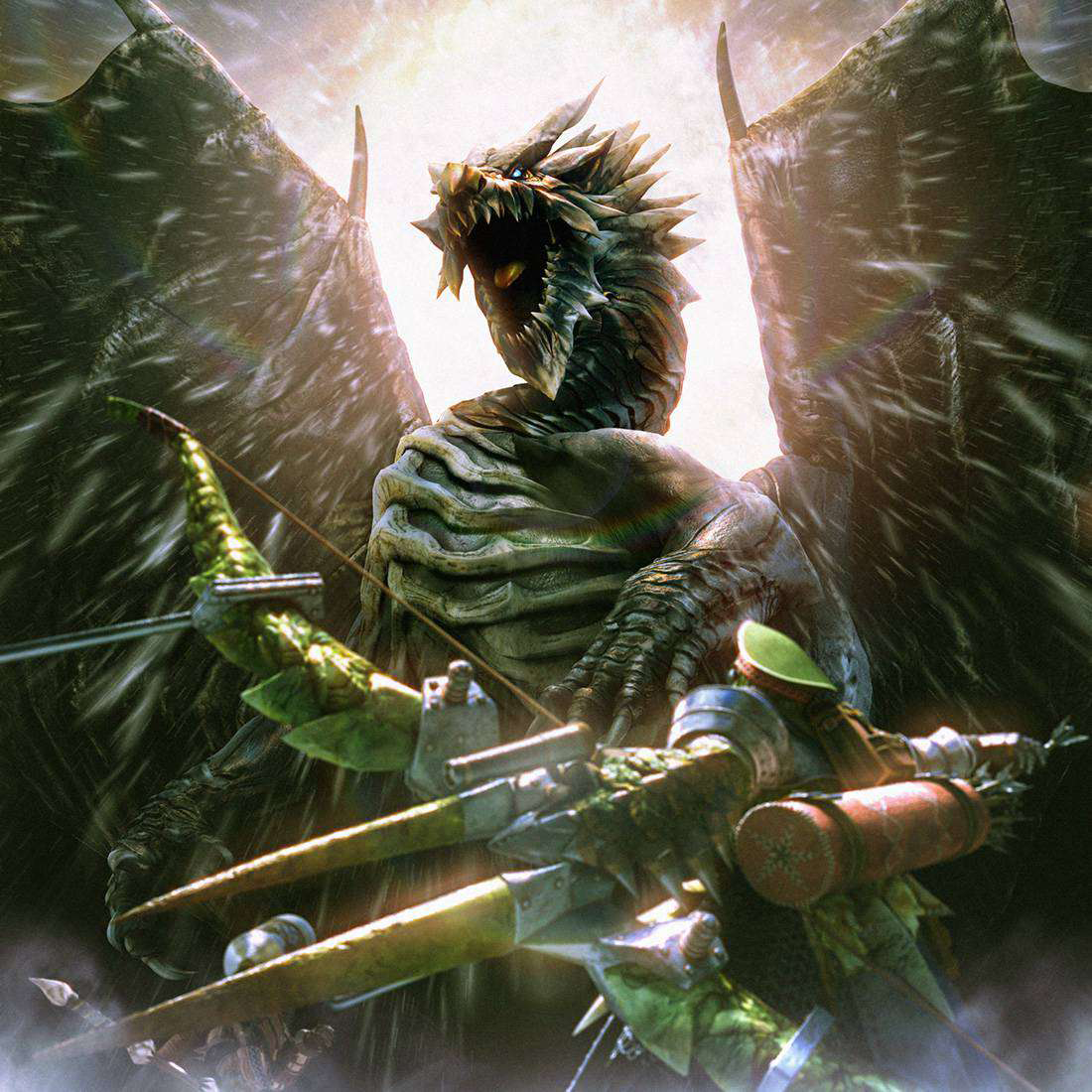
Introduced in the second generation, these weapons are akin to cousins of the first generation, sharing functional similarities but boasting unique movesets and mechanics.
Long Sword
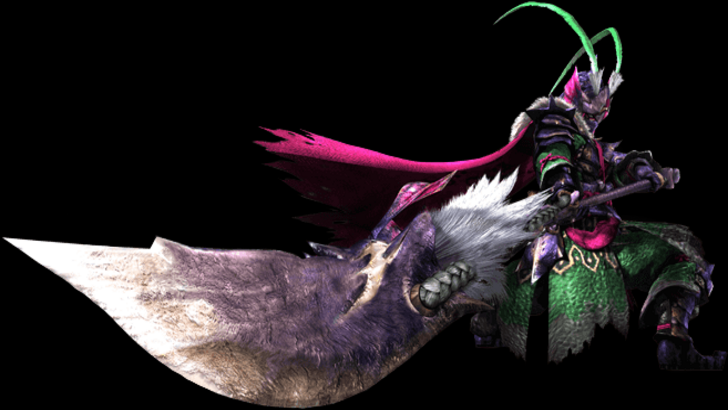
The Long Sword is celebrated for its fluid combos, high damage, and refined mechanics. Cosmetically similar to katanas in the first game, it was officially introduced in Monster Hunter 2. While functionally similar to the Great Sword, it offers higher mobility and more free-flowing combos. It lacks the Great Sword's blocking capability.
Core mechanics center around the Spirit Gauge, filled by landing attacks. A full gauge unlocks the Spirit Combo, a powerful damage-dealing string of attacks.
Monster Hunter 3 expanded the Spirit Gauge, adding the Spirit Roundslash finisher and three levels (white, yellow, red) with increasing attack buffs.
Monster Hunter World popularized the weapon by adding a new finisher (Spirit Thrust Helm Breaker) and its first parry attack (Foresight Slash). This parry seamlessly integrates into combos, allowing rapid Spirit Gauge accumulation.
Iceborne introduced the Iai Stance, featuring the Iai Slash (faster Spirit Gauge filling) and Iai Spirit Slash (another parry attack).
The Long Sword remains combo-oriented, but its design has evolved into a counter-based weapon, integrating parries and counters into its fluid combos. Mastering the weapon requires seamless Spirit Gauge management, dodging, and countering.
Hunting Horn
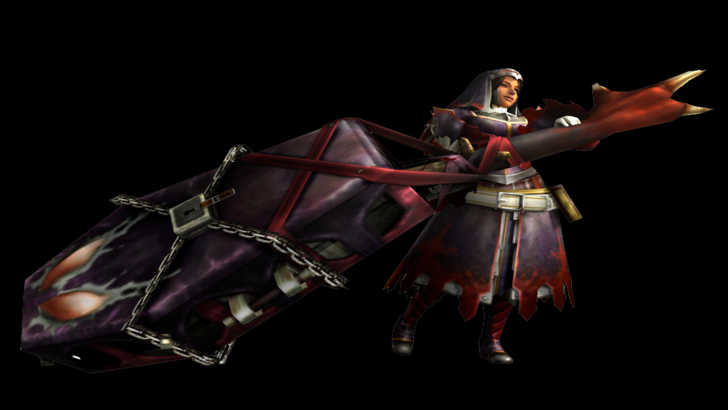
The Hunting Horn, a support weapon introduced in Monster Hunter 2, utilizes the Recital mechanic. Combining different colored notes produces various beneficial effects, such as attack and defense buffs and healing.
Like the Hammer, it deals impact damage, primarily targeting the head for stuns. However, it's generally weaker in raw damage due to its support capabilities.
Changes focused on refining the Recital mechanic until Monster Hunter Rise's overhaul. Monster Hunter 3 Ultimate allowed note playing during attacks, improving fluidity.
Monster Hunter World enabled song queuing, allowing simultaneous activation of multiple buffs. Echo Notes, activated after initial attacks, provided additional buffs in specific areas.
Monster Hunter Rise simplified the Recital system, making it easier to play songs during combat. This divisive change streamlined gameplay but sacrificed some complexity.
Gunlance
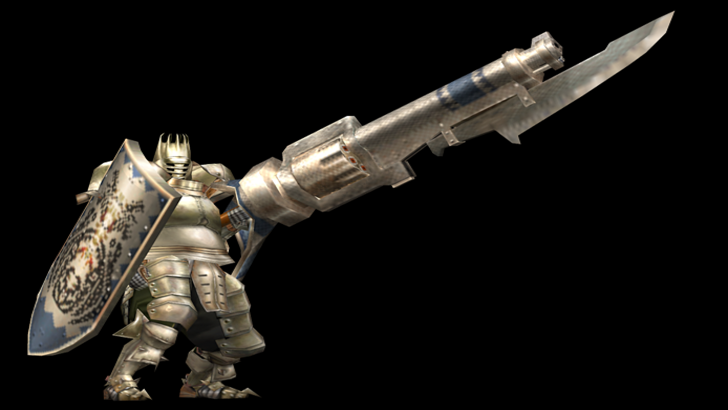
Introduced in the second generation, the Gunlance blends Lance and Bowgun mechanics. It functions like a Lance (large shield, piercing attacks), but also fires explosive shells (unlimited ammunition, replenished upon reloading).
Visually similar to the Lance, its attacks are primarily slashing and features finishers like the Wyvern's Fire (a charged explosive attack). Shelling types influence attack power and effects.
Monster Hunter 3 enhanced its aggressive style with a quick reload, enabling infinite combos, a Full Burst downward slam, and additional shell charging.
Monster Hunter X introduced the Heat Gauge, influencing attack damage and potentially overheating the weapon.
Monster Hunter World added the Wyrmstake Shot, an impaling finisher.
The Gunlance's unique reloading mechanics distinguish it from other melee weapons. Balancing shell usage and physical attacks is crucial to avoid overheating.
Bow

The Bow, the most agile ranged weapon, excels in close-to-mid-range combat. Introduced in Monster Hunter 2, it functions like a melee weapon, emphasizing combos and chargeable shots.
Gameplay is hit-and-run, focusing on weak points and multi-hit attacks for elemental damage. Coatings enhance damage or inflict status effects.
Its mobility and combos are its strengths. Early games featured Shot Types, removed later for simplicity.
Monster Hunter World unified the moveset and integrated Shot Types into core attacks, making it more combo-heavy. Close-Range Coating became universally available and infinite.
Monster Hunter Rise reintroduced Shot Types, tied to charge levels.
The Monster Hunter World overhaul streamlined the Bow, emphasizing aggressive, combo-heavy ranged combat distinct from Bowguns' point-and-shoot style.
Third and Fourth Generation
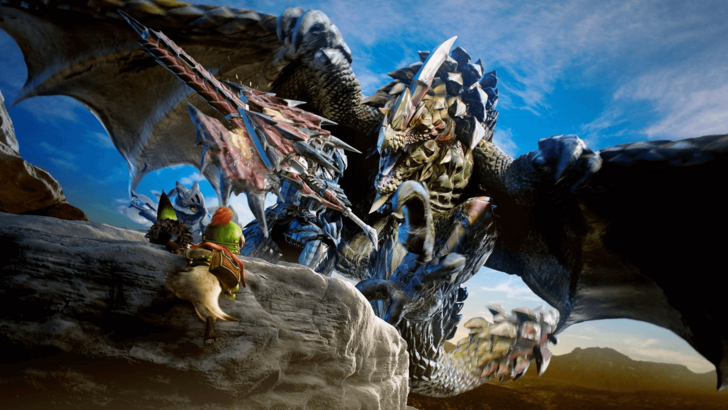
These weapons, from Monster Hunter 3 and Monster Hunter 4, feature unique morphing abilities and mechanics.
Switch Axe
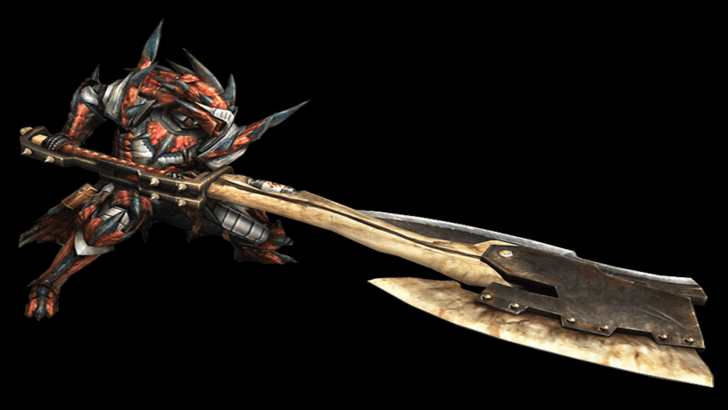
The Switch Axe, introduced in Monster Hunter 3, has two modes: Axe and Sword. Initially unlockable via a quest, it later became readily available.
Gameplay balances both modes. Axe Mode offers range, mobility, and an infinite stamina-based combo. Sword Mode delivers higher damage, phial attacks, and the Elemental Discharge finisher.
While the core design remains, morphing capabilities have improved. Monster Hunter World's Amped state empowers attacks in Sword Mode.
Monster Hunter Rise extends Amped to both modes, encouraging switching between forms for maximum damage.
The Switch Axe's form-swapping mechanics and explosive combat flow make it a unique addition to the series.
Insect Glaive
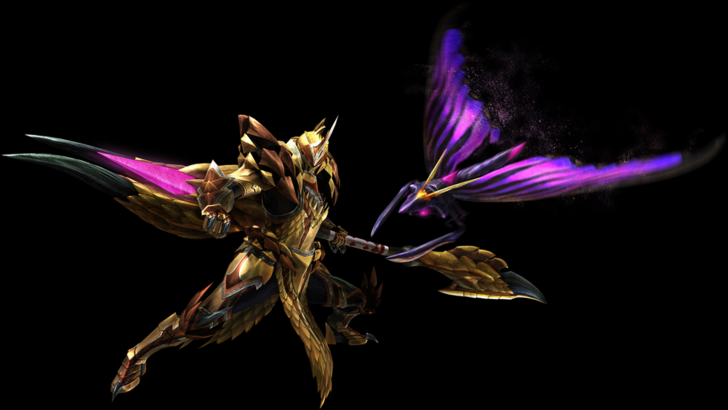
The Insect Glaive, another Monster Hunter 4 addition, is designed for aerial combat. It uses a Kinsect (controlled insect) to gather essences for buffs. It excels at mounting monsters.
Its basic attacks are unremarkable, but collecting red, white, and orange essences unlocks powerful attack, mobility, and defense buffs.
Substantial changes have been minimal, aside from added attacks and finishers. Monster Hunter World: Iceborne's Descending Thrust provided a much-needed air-to-ground finisher.
Monster Hunter Rise simplified Kinsect upgrades and introduced new Kinsect types (Normal, Assist, Powder, Speed).
Gameplay revolves around quickly gathering essences for optimal buffs. Improvements have addressed the inefficient gold upgrade system.
Charge Blade
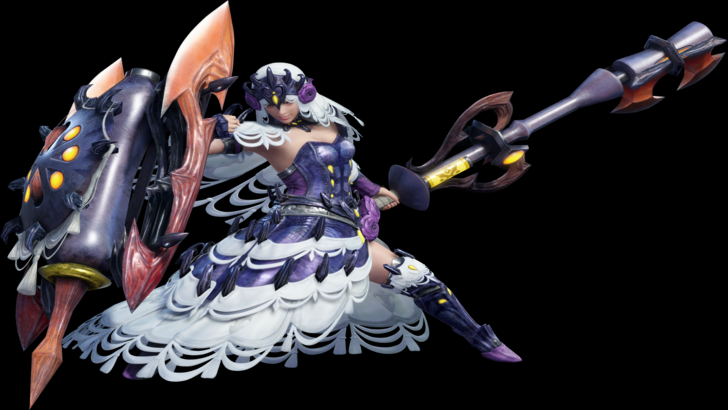
The Charge Blade, the second transforming weapon (introduced in Monster Hunter 4), is known for its versatility and powerful finishers. It uses Sword Mode to charge phials and Axe Mode to unleash Amped Elemental Discharge. It's considered one of the most difficult weapons to master.
It utilizes guard points to efficiently charge phials. Phial types vary depending on the weapon. Mastering transitions between modes and utilizing guard points is crucial.
The Charge Blade's balanced offense and complex mechanics make it a versatile and rewarding weapon, though challenging to master.
Will There Be More?
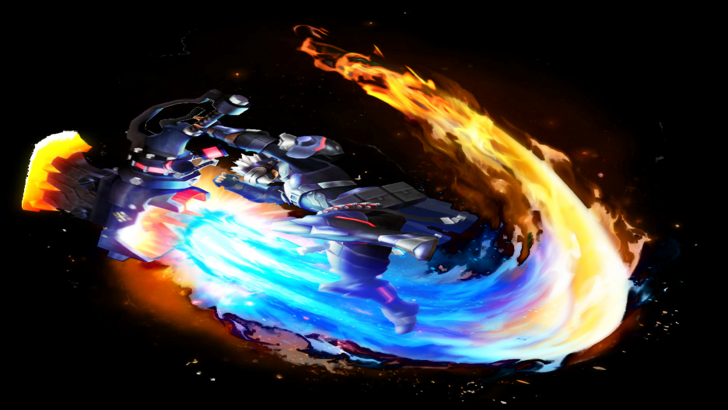
While Monster Hunter Wilds features fourteen weapons, more exist in previous games, particularly those unreleased in the West. Given the series' longevity, the addition of new weapons or the revival of older ones is highly likely. The series' addictive gameplay benefits greatly from diverse weapon options.
You may also like...
-
 RuneScape's April Developer Diary has arrived, detailing the latest update: "Return to the Desert: Pharaoh's Folly." This brand-new quest launches today and will be available until April 28th. Your mission is to survive the treacherous Shifting TombsAuthor : Andrew Mar 12,2026
 -
Firaxis Games, the developer behind Civilization VII, has laid off an unspecified number of staff today. This comes despite Take-Two Interactive CEO Strauss Zelnick's recent comments that the game's sales are meeting the company's projections.MultiplAuthor : Joshua Mar 12,2026











- HoYo Fest 2025: Fresh Updates on Comeback
- Mastering Two-Handed Weapons in Elden Ring: A Guide
- Ultimate Guide to Shinigami Progression in Hollow Era
- Roblox Simulator Codes: Unlock Exclusive Rewards!
- Wuthering Waves: Uncover the Secrets of Whisperwind Haven's Palette
- Top 25 Palworld Mods to Enhance Your Game