
Capcom Enhances Game Creation with AI-Generated Ideas
Capcom is exploring the use of generative AI to streamline the creation of the vast number of design concepts required for its game environments. The company acknowledges the significant time and resources dedicated to generating "hundreds of thousands" of unique ideas for in-game assets.
With escalating video game development costs, the industry is increasingly turning to AI tools, a move met with both excitement and controversy. Recent examples include reports of AI-generated cosmetics in Call of Duty: Modern Warfare 3 and allegations of AI use in loading screens. EA has even declared AI as "the very core" of its operations.
In a recent interview with Google Cloud Japan, Capcom's Technical Director Kazuki Abe, a veteran of major titles like Monster Hunter: World and Exoprimal, detailed the company's AI experimentation. Abe highlighted the immense effort involved in generating unique designs, citing even seemingly simple objects like televisions requiring individual designs, logos, and shapes. He emphasized the need for multiple design proposals for tens of thousands of such assets per game, each requiring illustrations and textual descriptions.
To address this efficiency bottleneck, Abe developed a system utilizing generative AI. This system processes game design documents and generates design concepts, significantly accelerating the development process. The AI iteratively refines its output based on its own feedback mechanisms.
Abe's prototype, leveraging AI models like Google Gemini Pro, Gemini Flash, and Imagen, has reportedly received positive internal reviews. The anticipated outcome is a substantial cost reduction and a potential improvement in overall design quality.
Currently, Capcom's AI implementation is focused solely on this concept generation system. Other crucial aspects of game development, including gameplay mechanics, programming, character design, and overall creative direction, remain firmly under the control of human developers.
-
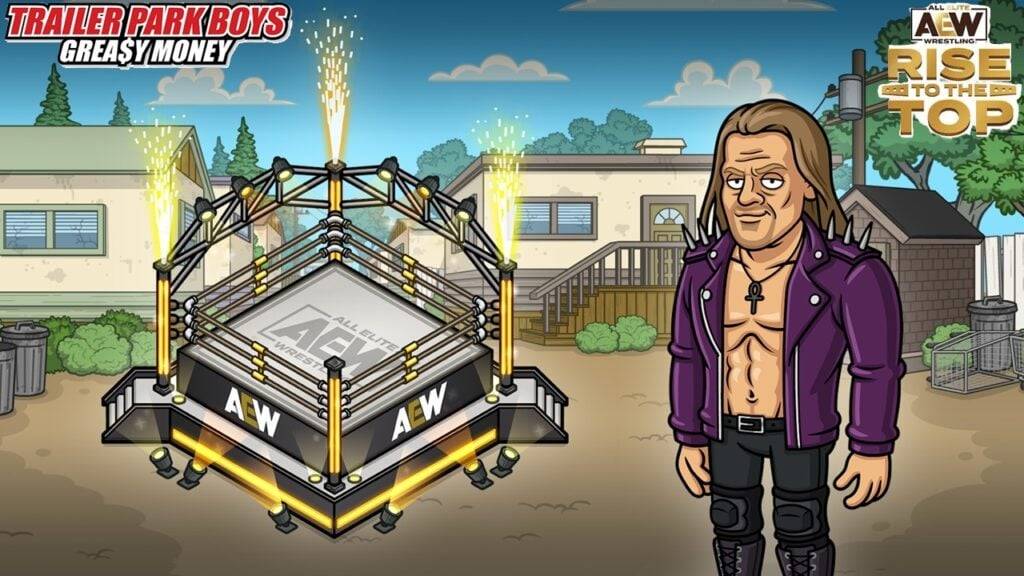 East Side Games Group is merging two wildly different universes in an exhilarating crossover. Trailer Park Boys: Greasy Money is joining forces with All Elite Wrestling: Rise to The Top. This special event begins on March 27th at 2:00 PM PT, deliveriAuthor : Sarah Mar 17,2026
 -
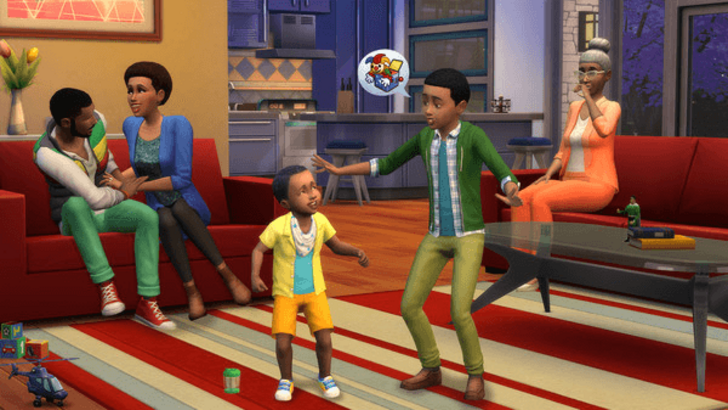 After years of speculation about The Sims 5, EA is charting a bold new course for the franchise. Instead of traditional numbered sequels, the company plans to expand "The Sims Universe" with ongoing updates across multiple titles.EA Plans on ExpandinAuthor : Samuel Mar 16,2026
-
 Airport Clash 3D - Minigun ShoDownload
 -
 A RecreativaDownload
 -
 com.crikey.dreamcarnival ModDownload
 -
 تحدي ام حقيقةDownload
 -
 Madden NFL 25 CompanionDownload
 -
 Survivor Z: Zombie SurvivalDownload
 -
 Dinosaur Hunting: Trex HunterDownload
 -
 Z書庫Download
 -
 Word Game. Crossword Search PuDownload
 -
 Buckshot Roulette: PvP DuelDownload











- Classic WoW vs. Turtle WoW: 6 Key Differences
- Ultimate Guide to Shinigami Progression in Hollow Era
- Roblox Simulator Codes: Unlock Exclusive Rewards!
- Mastering Two-Handed Weapons in Elden Ring: A Guide
- Wuthering Waves: Uncover the Secrets of Whisperwind Haven's Palette
- Top 25 Palworld Mods to Enhance Your Game