
Don't Wait For Fable, Play Fable 2 Instead
Buried within this week's Xbox Podcast was exciting, albeit bittersweet, news about Playground Games' Fable. A rare glimpse of gameplay was revealed, but unfortunately, it came with a delay. Initially slated for release this year, Fable is now set for 2026.
While delays are rarely welcome, they can sometimes signal a richer, more refined game. This extra time could be the key to unlocking Fable's full potential. But let's not waste this extra year idly waiting. Now is the perfect time to revisit (or discover!) Fable II, a standout entry in the series and a truly unique RPG experience from Lionhead Studios.
Even by today's standards, Fable II remains remarkably unusual. Compared to its 2008 contemporaries—like Fallout 3 and early BioWare 3D titles—its vision is singular. While it features a traditional campaign structure with a linear main story and side quests, its RPG systems are surprisingly streamlined. The complexity often found in games like Oblivion and Neverwinter Nights is absent, making it incredibly approachable for even the most novice RPG players.A simple system of six main skills governs health, strength, and speed. Weapon damage is the only stat to consider for weapons, and armor or accessories have no comparable stats. Combat, though frequent, is straightforward swashbuckling, enlivened by creative spellcasting (including the delightful Chaos spell that makes enemies dance). Even death holds little consequence—losing all hit points results in a minor XP penalty.
Fable II is the perfect RPG for those new to the genre. In 2008, Oblivion's vast world might have felt overwhelming to newcomers. Fable II's Albion, however, offered a more manageable series of smaller maps, easily navigable and revisited at will. Your canine companion helps guide you off the beaten path to discover hidden treasures, caves, and challenging Demon Doors. This creates a sense of scale and adventure that surpasses the game's actual size. Albion's geography is somewhat restrictive, guiding you along linear pathways, but this isn't necessarily a drawback.
Albion, while not as vast as the worlds of BioWare's Infinity Engine games or Bethesda's Morrowind, shouldn't be judged by those standards. Fable II prioritizes a vibrant, bustling world over sheer size. Consider it through the lens of The Sims—it's a remarkable simulation of society.
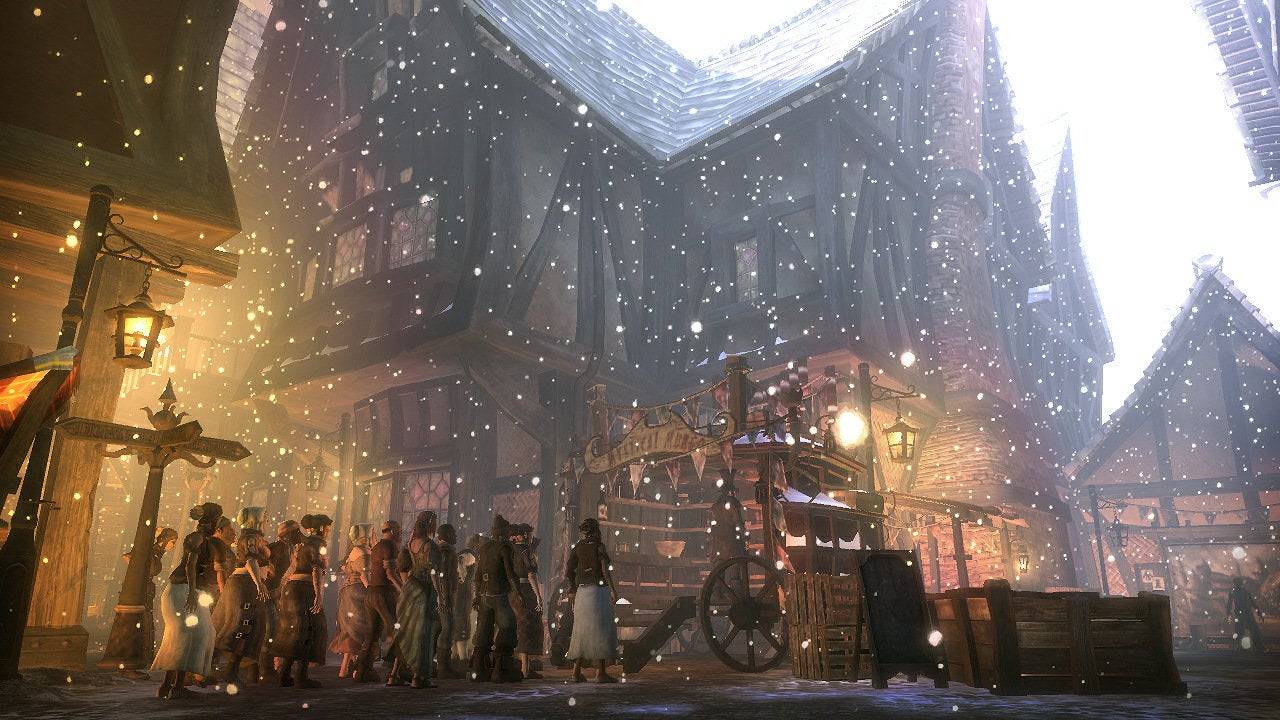
While you're destined for grand adventures, Fable II becomes more engaging when you immerse yourself in its society. You can purchase houses and shops, earning money through various jobs (woodcutting and blacksmithing, while repetitive, offer a soothing distraction). Become a landlord, woo NPCs, and even start a family. While individual elements might feel artificial, the overall effect creates a genuine sense of life.
A well-executed fart may have the patrons of a pub howling into their beers.“Few RPGs have replicated this aspect. Even Baldur's Gate 3 lacks the organic romances and property market manipulation of Fable II. However, Red Dead Redemption 2 offers a comparable experience. Rockstar's detailed world features responsive NPCs who react to your actions. A sophisticated interaction system, similar to Fable II's gestures, allows for meaningful interactions that can have lasting consequences.
Playground Games must maintain Fable's key elements. The British humor, witty satire, and memorable cast of characters are crucial. But most importantly, Lionhead's approach to good and evil must be preserved.
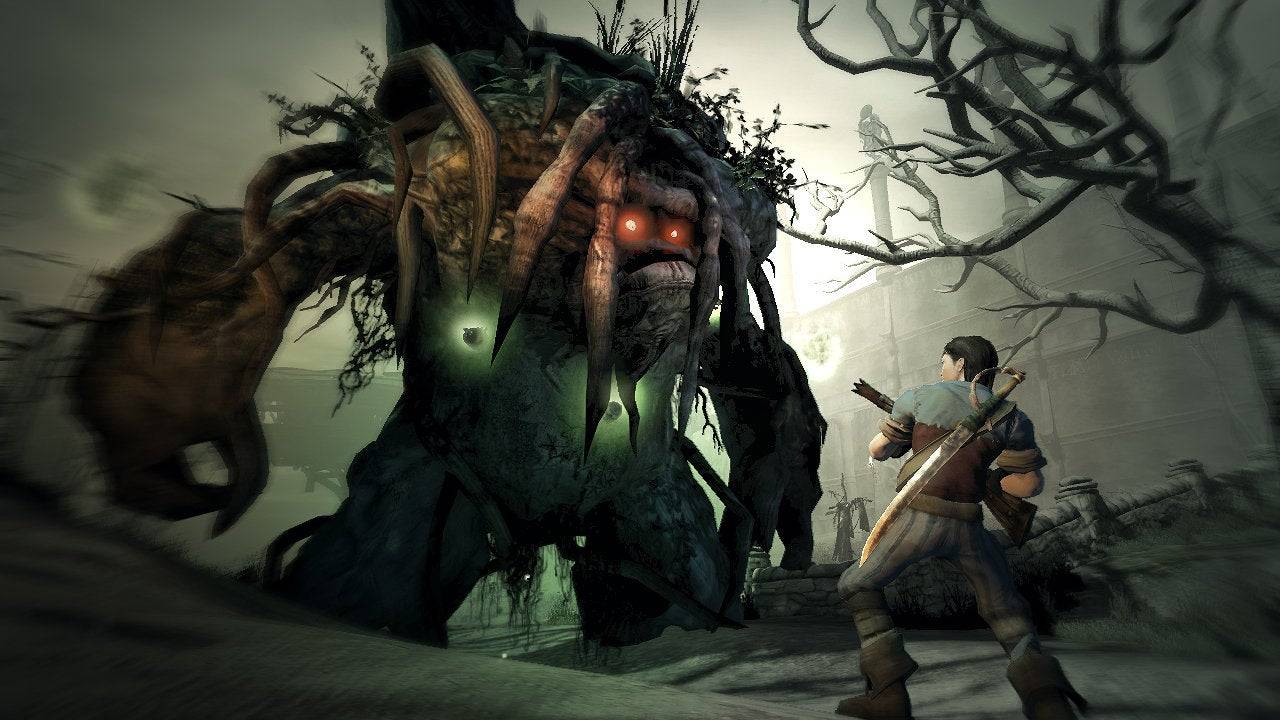
Modern RPGs prioritize nuanced player expression, but Fable thrives on this binary. It allows for truly heroic or villainous playthroughs. The sequel's branching quests and reactive world amplify this, shaping your reputation based on your actions. While many RPGs struggle to make moral choices impactful, Fable II excels in its simplicity. It allows for full immersion into either extreme, unlike many games that dilute the impact by focusing on the middle ground.
Playground Games' recent gameplay reveal offered a glimpse into a more detailed world than previous Fable games. The open world appears less restrictive, and the environments are richly rendered. A brief shot of a bustling city suggests a continuation of Fable II's societal simulation.However, this vision is still a year away. In the meantime, revisiting Fable II will highlight its unique qualities and the importance of preserving them in the new game. A Witcher or Baldur's Gate clone wouldn't capture the essence of Fable. We need Fable to be Fable, in all its quirky glory.
-
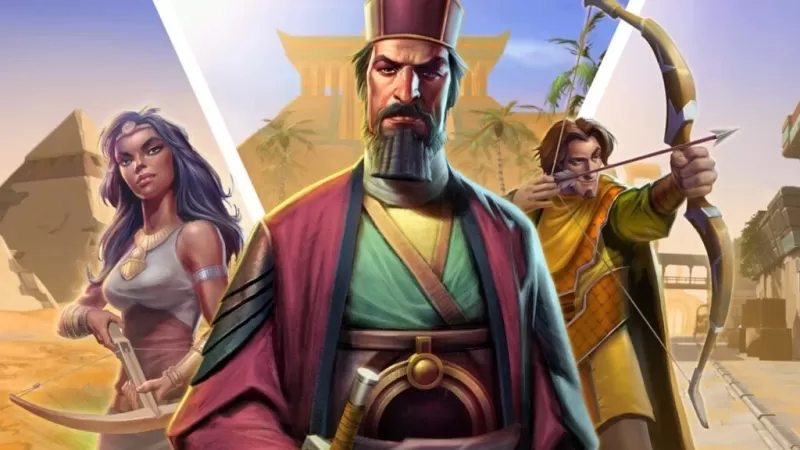 RuneScape's April Developer Diary has arrived, detailing the latest update: "Return to the Desert: Pharaoh's Folly." This brand-new quest launches today and will be available until April 28th. Your mission is to survive the treacherous Shifting TombsAuthor : Andrew Mar 12,2026
 -
Firaxis Games, the developer behind Civilization VII, has laid off an unspecified number of staff today. This comes despite Take-Two Interactive CEO Strauss Zelnick's recent comments that the game's sales are meeting the company's projections.MultiplAuthor : Joshua Mar 12,2026

















- HoYo Fest 2025: Fresh Updates on Comeback
- Mastering Two-Handed Weapons in Elden Ring: A Guide
- Ultimate Guide to Shinigami Progression in Hollow Era
- Roblox Simulator Codes: Unlock Exclusive Rewards!
- Wuthering Waves: Uncover the Secrets of Whisperwind Haven's Palette
- Top 25 Palworld Mods to Enhance Your Game