
How Monster Hunter Took Over the World
Before its global launch, *Monster Hunter Wilds* shattered pre-order records on Steam and PlayStation, following in the colossal footsteps of its wildly popular predecessors, *Monster Hunter Rise* (2022) and *Monster Hunter: World* (2018). This success firmly establishes Capcom's unique RPG series as a gaming giant.
However, this wasn't always the case. Just a decade ago, such global popularity would have seemed improbable. Even further back, to the 2004 release of the original *Monster Hunter*, it would have been almost unthinkable; the initial game received mixed reviews. It wasn't until the 2005 PSP release that the series truly exploded—in Japan.
For years, *Monster Hunter* epitomized the "bigger in Japan" phenomenon. The reasons, as we'll explore, were straightforward, yet this didn't deter Capcom from pursuing international success. *Monster Hunter: World*, *Rise*, and now *Wilds* prove this effort was worthwhile.
This is the story of *Monster Hunter*'s journey from domestic darling to global powerhouse.
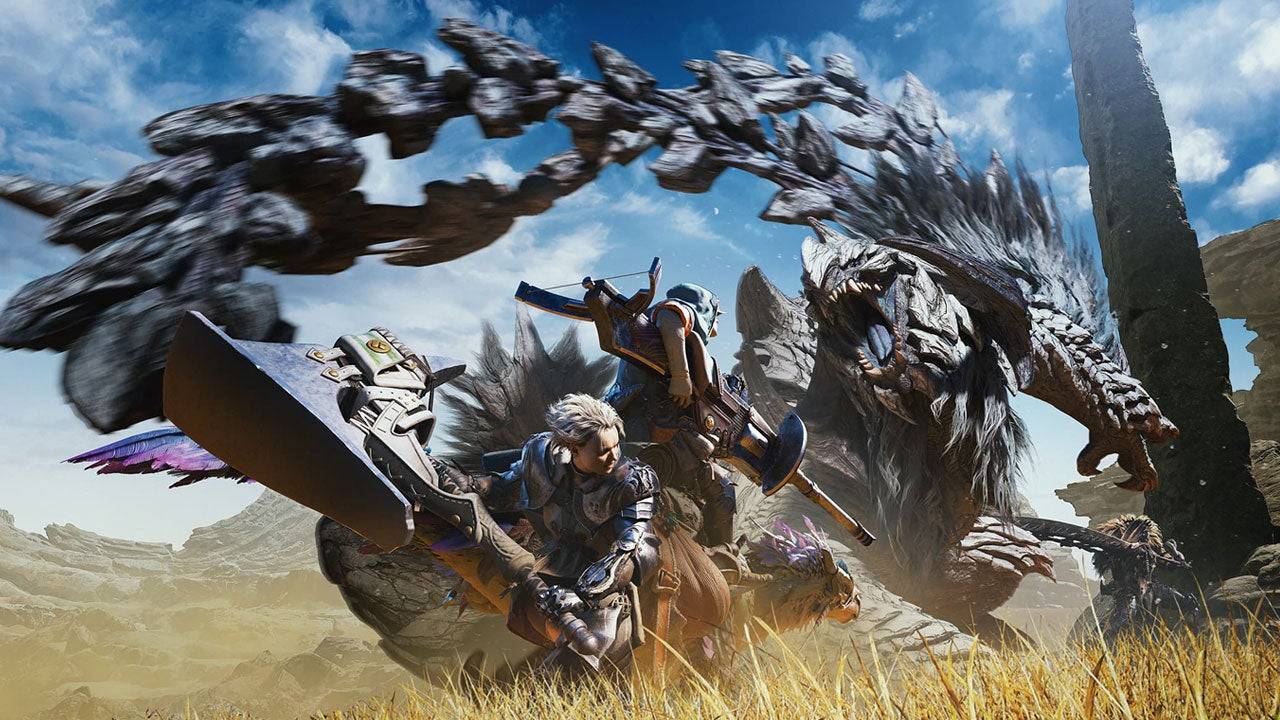
Around the 2016 launch of *Street Fighter V*, Capcom underwent an internal restructuring to prepare for a new generation of games powered by the RE Engine, replacing the aging MT Framework. This wasn't merely a technological shift; it signified a commitment to creating games for a global audience, not just existing regional fanbases.
"Several factors converged," explains Hideaki Itsuno, a former Capcom game director known for *Devil May Cry*. "The engine change, and a clear mandate for all teams: create globally appealing games—fun for everyone."
Capcom's PS3 and Xbox 360 era games often seemed to chase perceived Western market trends. While *Resident Evil 4* was a massive hit, titles like *Umbrella Corps* and the *Lost Planet* series, focused on Western action genres, fell short. Capcom realized the need to create universally appealing games.
"We focused intently, holding nothing back," Itsuno states, "on making excellent games with global reach."
The period leading up to 2017 was pivotal. "Organizational and engine changes converged," Itsuno notes. The launch of *Resident Evil 7* that year marked a Capcom renaissance.
No series better embodies this global success than *Monster Hunter*. While it had Western fans, it was significantly larger in Japan. This wasn't intentional; several factors contributed.
The shift from PlayStation 2 to PSP with *Monster Hunter Freedom Unite* was crucial. Japan's robust handheld market (PSP, DS, Switch) and advanced wireless internet infrastructure allowed for reliable multiplayer, a cornerstone of *Monster Hunter*'s appeal. This wasn't the case in the West.
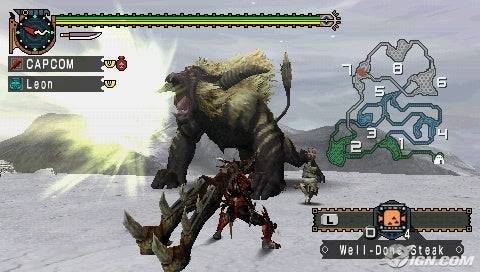
"Twenty years ago, Japan had superior network infrastructure, enabling online play," says Ryozo Tsujimoto, executive producer. "Moving to handhelds expanded the multiplayer player base."
This created a cycle: Japanese *Monster Hunter* bestsellers led to Japan-only content and events, solidifying its "Japan-only" image. Western fans watched enviously.
However, as Western internet infrastructure improved, Tsujimoto saw an opportunity. *Monster Hunter: World* (2018), released simultaneously worldwide on PS4, Xbox One, and PC, was a game-changer. It offered AAA console quality, larger environments, and bigger monsters.
"Our globalization approach, reflected in the game's title, aimed for worldwide appeal," Tsujimoto explains. "Simultaneous global release, without Japan-exclusive content, aligned us with global standards."
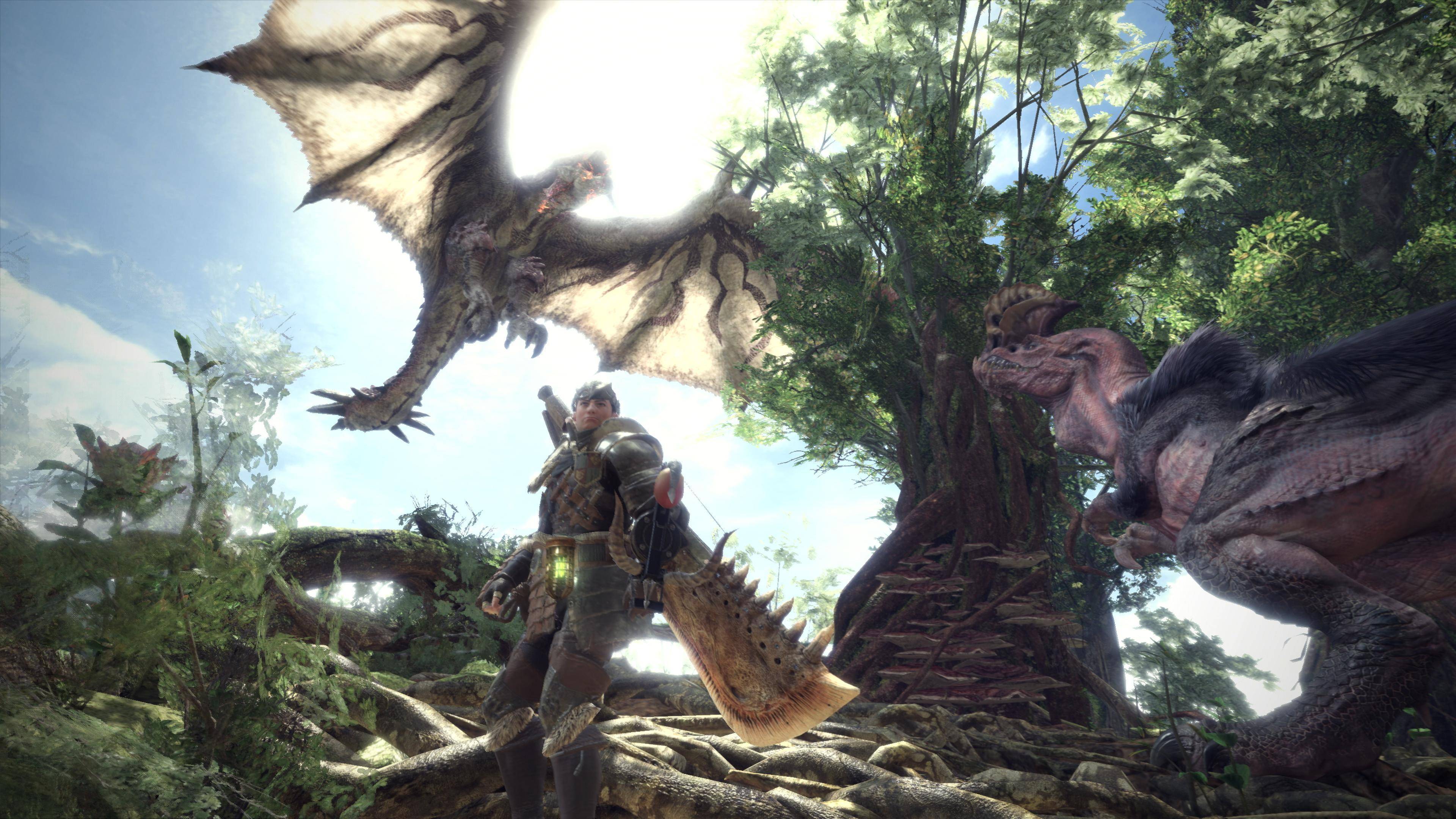
Beyond simultaneous release, Capcom conducted worldwide playtests to refine the formula. "Feedback from global playtests impacted game systems and contributed to *World*'s global success," Tsujimoto says.
One key change was displaying damage numbers. These small refinements propelled *Monster Hunter* to unprecedented heights. Previous titles sold 1.3 to 5 million copies; *World* and *Rise* each surpassed 20 million.
This growth wasn't accidental. Instead of altering *Monster Hunter*'s core, Capcom made it more accessible without compromising its essence. This approach continues with *Wilds*.
"At its heart, *Monster Hunter* is an action game; mastering that action is key," Tsujimoto explains. "We analyze where players struggle, gather feedback, and improve systems. This informed *Wilds*' design."
Within 35 minutes of release, *Monster Hunter Wilds* reached 738,000 concurrent Steam players, exceeding *World*'s peak. With glowing reviews and promised future content, *Wilds* is poised to surpass even *World* and *Rise*'s achievements, continuing the series' global conquest.
-
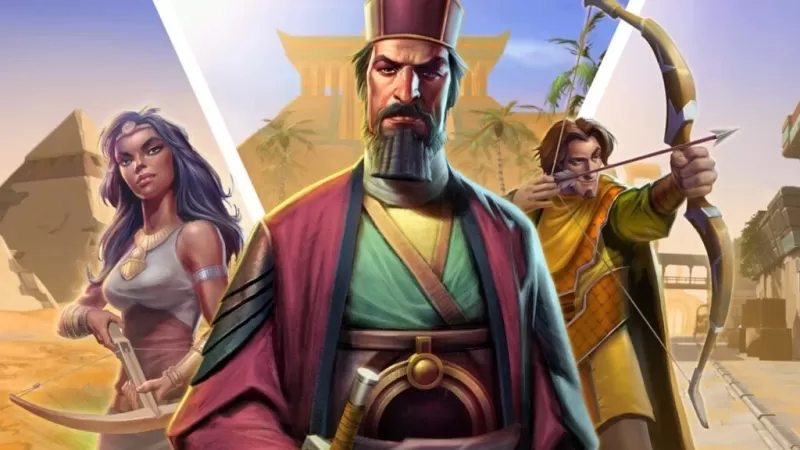 RuneScape's April Developer Diary has arrived, detailing the latest update: "Return to the Desert: Pharaoh's Folly." This brand-new quest launches today and will be available until April 28th. Your mission is to survive the treacherous Shifting TombsAuthor : Andrew Mar 12,2026
 -
Firaxis Games, the developer behind Civilization VII, has laid off an unspecified number of staff today. This comes despite Take-Two Interactive CEO Strauss Zelnick's recent comments that the game's sales are meeting the company's projections.MultiplAuthor : Joshua Mar 12,2026



















- HoYo Fest 2025: Fresh Updates on Comeback
- Mastering Two-Handed Weapons in Elden Ring: A Guide
- Ultimate Guide to Shinigami Progression in Hollow Era
- Roblox Simulator Codes: Unlock Exclusive Rewards!
- Wuthering Waves: Uncover the Secrets of Whisperwind Haven's Palette
- Top 25 Palworld Mods to Enhance Your Game