
"Assassin's Creed: 10 Historical Twists"
Ubisoft's latest foray into the Animus transports us to Japan’s tumultuous Sengoku Period with Assassin’s Creed Shadows. This installment introduces us to notable historical figures like Fujibayashi Nagato, Akechi Mitsuhide, and the intriguing African samurai, Yasuke, who served under Oda Nobunaga. As with previous entries in the series, the game skillfully blends fact and fiction to craft a gripping narrative of revenge, betrayal, and murder. While the storyline may include fantastical elements such as Yasuke needing to accumulate XP to wield a gold-tier weapon, it's all part of the franchise's signature blend of history and imagination.
Assassin’s Creed is renowned for its historical fiction approach, which uses historical gaps to weave tales of a secret society aiming to dominate the world through the mystical artifacts of an ancient civilization. Ubisoft's dedication to creating immersive open-world environments grounded in meticulous research is commendable. However, it's essential to recognize that these games are not meant to be historical textbooks. The developers frequently alter historical facts to enhance the storytelling, creating what can be seen as "historical inaccuracies."
Here are ten instances where Assassin’s Creed has creatively rewritten history:
The Assassins vs Templars War
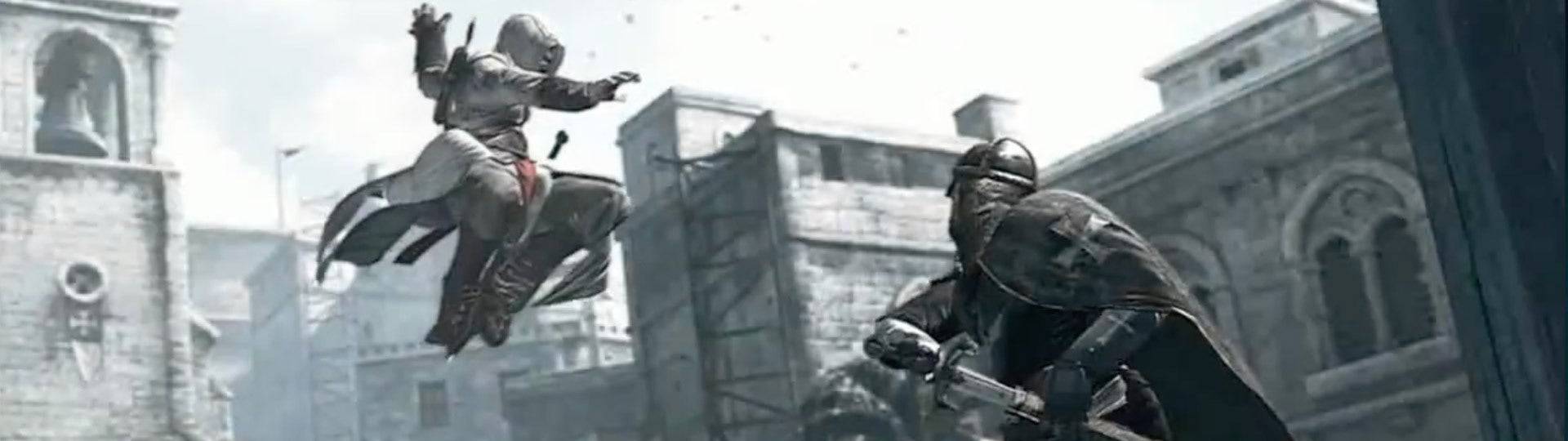
The iconic rivalry between the Assassins and the Knights Templar is entirely fictional. Historically, there's no evidence that these two groups ever engaged in the prolonged conflict depicted in the games. The Assassins and Templars, founded in 1090 and 1118 respectively, coexisted for about 200 years and were disbanded by 1312. Their only shared historical context was the Crusades, which only the first Assassin’s Creed game aligns with chronologically.
The Borgias and their Superpowered Pope
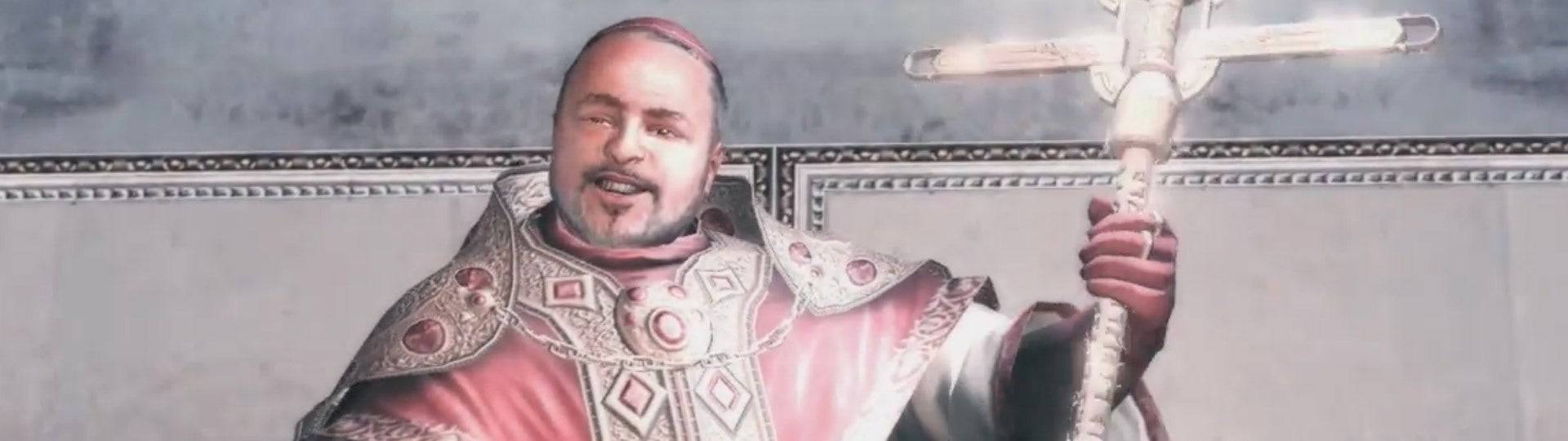
In Assassin’s Creed 2 and Brotherhood, Ezio clashes with the Borgia family, led by Cardinal Rodrigo Borgia, who becomes Pope Alexander VI. The game suggests a Borgia plot involving the mystical Apple of Eden to control humanity, a narrative entirely invented by Ubisoft. Additionally, the portrayal of the Borgias as villainous, particularly Cesare Borgia as an incestuous psychopath, is exaggerated beyond historical records, which are mostly based on rumors.
Machiavelli, Enemy of the Borgias

In the same games, Niccolò Machiavelli is depicted as a key ally to Ezio and leader of the Italian Assassins. This is a stark deviation from history, as Machiavelli's political philosophies clashed with the Assassin's ideology. In reality, he respected the Borgias' cunning and even served under Cesare Borgia, viewing him as an effective ruler.
The Incredible Leonardo da Vinci and his Flying Machine

Assassin’s Creed 2 showcases Leonardo da Vinci's friendship with Ezio, accurately capturing his wit and charisma. However, the game adjusts his timeline, moving him from Florence to Venice earlier than historically accurate to align with Ezio's adventures. While da Vinci's designs for weapons and a flying machine are featured, there's no evidence these were ever realized during his lifetime.
The Bloody Boston Tea Party

The Boston Tea Party in Assassin’s Creed 3 is transformed from a peaceful protest into a violent confrontation. The game's protagonist, Connor, turns the event into a massacre, significantly altering the historical non-violent nature of the protest. Additionally, the game attributes the organization of the event to Samuel Adams, despite historical uncertainty about his role.
The Lone Mohawk
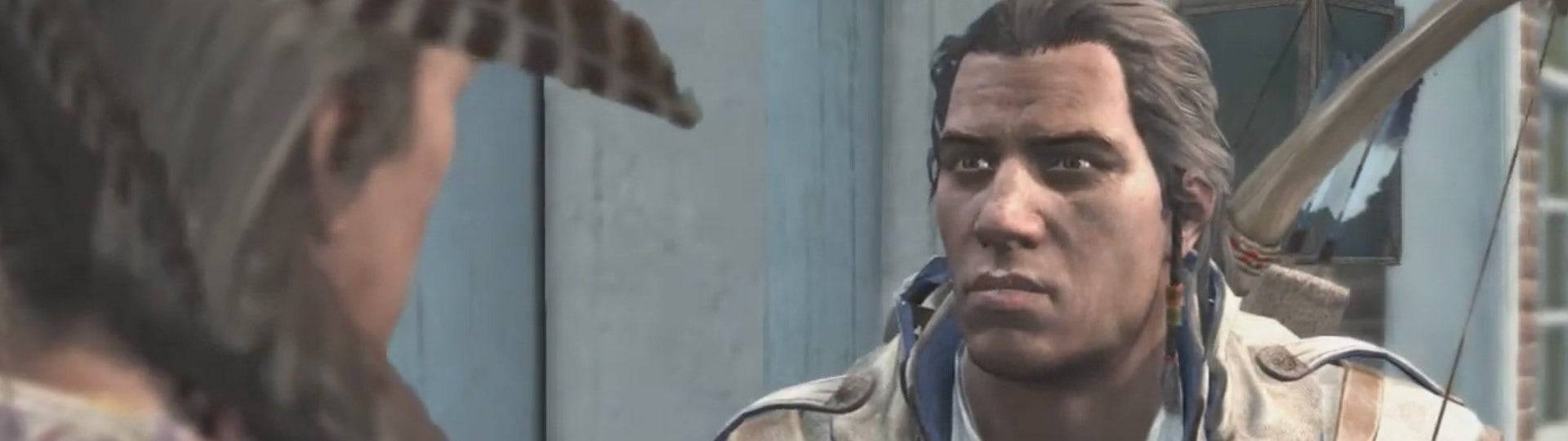
Connor, a Mohawk in Assassin’s Creed 3, aligns with the Patriots against the British, contrary to the historical Mohawk alliance with the British. This portrayal has sparked debate among historians, as it represents a highly unlikely scenario. However, it reflects the game's "what if?" approach to history.
The Templar Revolution

Assassin’s Creed Unity's depiction of the French Revolution attributes the uprising to a Templar conspiracy, simplifying the complex socio-economic factors that led to the real revolution. The game's portrayal of the Reign of Terror as the entirety of the revolution, and the suggestion that the Templars orchestrated a food crisis, diverges significantly from historical causes.
The Controversial Killing of King Louis 16
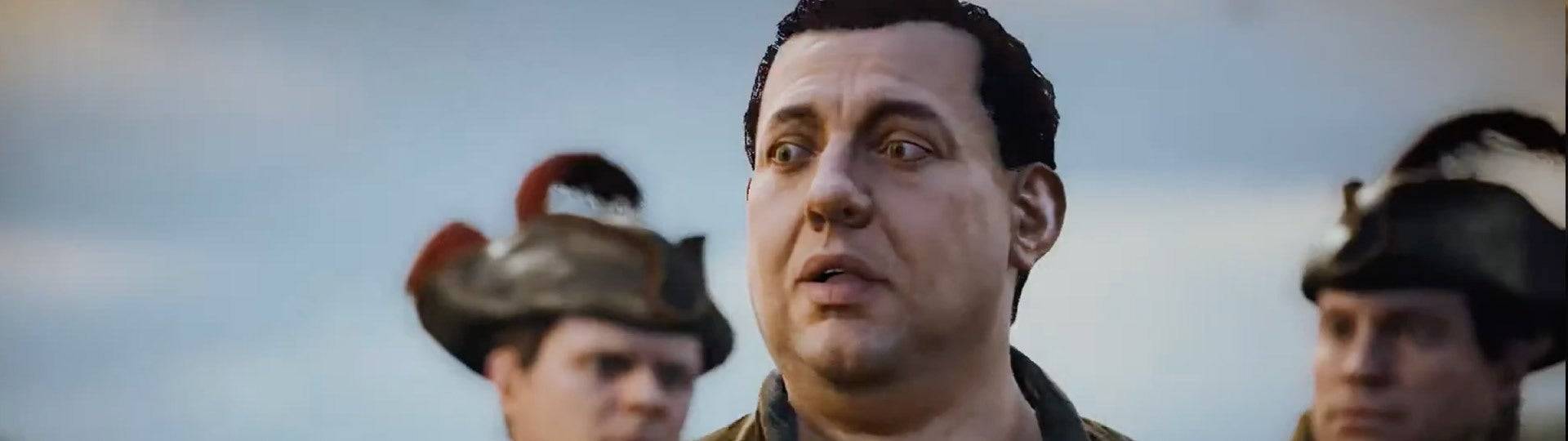
Unity's portrayal of King Louis XVI's execution suggests a closely contested vote, swayed by a single Templar's decision. In reality, the vote was a clear majority in favor of execution. The game also downplays the widespread public anger against the aristocracy, focusing instead on a supposed Templar plot.
Jack the Assassin

Assassin’s Creed Syndicate reimagines Jack the Ripper as a rogue Assassin who seizes control of the London Brotherhood. This narrative twist turns the historical serial killer into a figure of internal conflict within the Assassin's ranks, far removed from the unresolved mystery of the real Jack the Ripper.
The Assassination of the Tyrant Julius Caesar

In Assassin’s Creed Origins, Julius Caesar's assassination is framed as a battle against a proto-Templar, ignoring his historical popularity and reforms aimed at benefiting the common people. The game's depiction simplifies the complex political motivations behind the assassination and overlooks the subsequent civil war and rise of the Roman Empire.
Assassin’s Creed's creative liberties with history are a hallmark of its storytelling. While the games strive for authenticity in their settings and characters, they prioritize narrative over historical accuracy. This approach has sparked debates about the importance of historical fidelity in video games. What are your thoughts on Assassin's Creed's approach to bending historical truths? Share your favorite examples in the comments below.
-
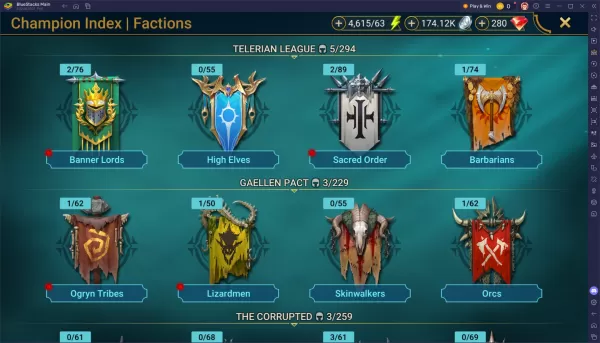 Faction Wars stands as one of RAID: Shadow Legends' most challenging yet rewarding game modes. Tied to faction-specific crypts, this RPG mode pushes players to build entire teams from a single faction, testing both roster depth and strategic planningAuthor : Lily Dec 19,2025
 -
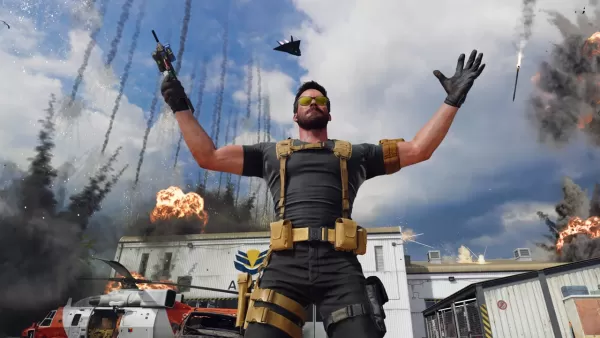 Xbox has announced a series of price increases for its consoles and accessories, along with a confirmed rise in game prices to $80 USD set for later this year. The impact of this news is substantial and broad-reaching, with implications that are stilAuthor : Henry Dec 18,2025
-
 Barber Shop - Simulator GamesDownload
 -
 Move-it! Charades (Mexa-se!)Download
 -
 Skibidy Toilet Music Tiles HopDownload
 -
 AstreonDownload
 -
 Classic Solitaire Collection - Best Card GamesDownload
 -
 RWBY Rise Of The White FangDownload
 -
 Spider Lego Battle TransformDownload
 -
 Pocket Land ModDownload
 -
 House Flipper: Home DesignDownload
 -
 Kelime ÇarkıDownload








![Back to the Roots [0.8-public]](https://images.ydxad.com/uploads/44/1719584089667ec55970d05.png)

- Mastering Two-Handed Weapons in Elden Ring: A Guide
- Roblox Simulator Codes: Unlock Exclusive Rewards!
- Wuthering Waves: Uncover the Secrets of Whisperwind Haven's Palette
- Top 25 Palworld Mods to Enhance Your Game
- Ultimate Guide to Shinigami Progression in Hollow Era
- Karl Urban Debuts as Johnny Cage in Mortal Kombat 2